

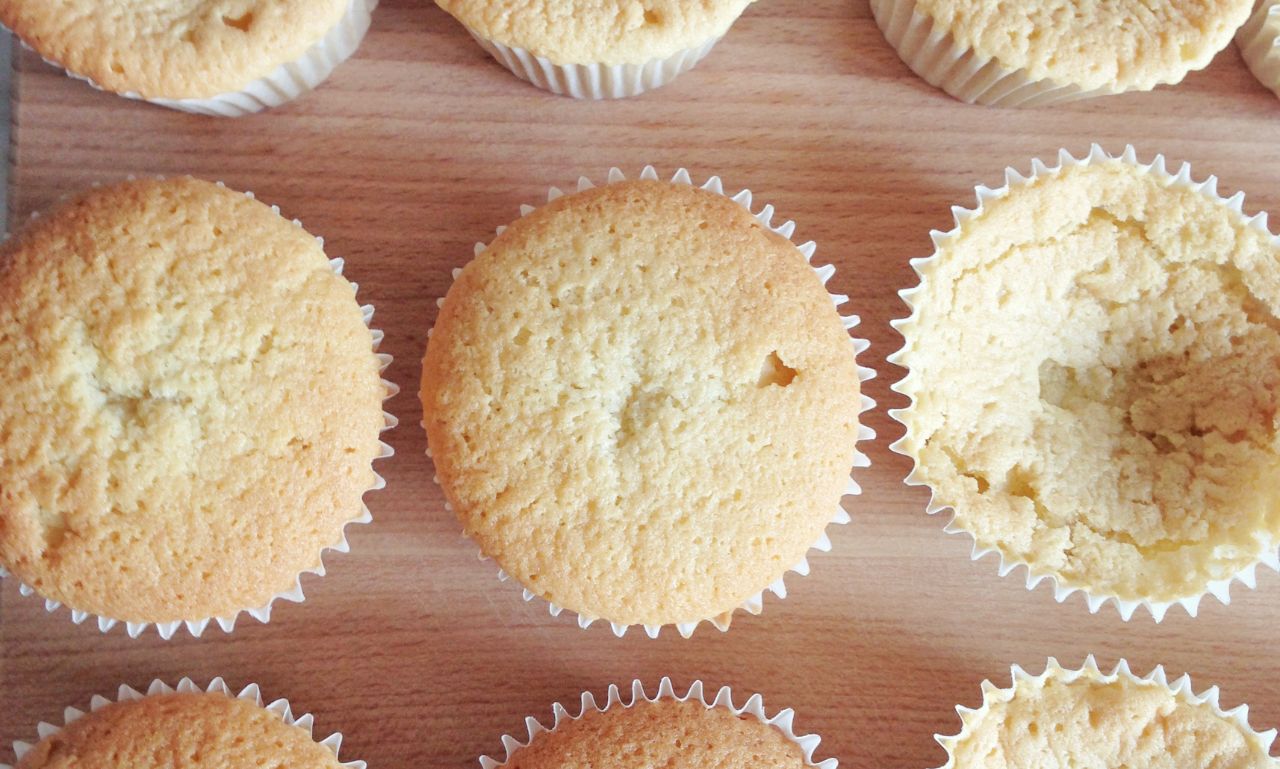
Few baking frustrations compare to pulling a beautiful cake from the oven only to watch the center collapse minutes later. One second, it looks bakery-worthy. Next, it resembles a crater. If you have ever stood in your kitchen staring at a sunken sponge, wondering what went wrong, you are not alone.
Professional bakers deal with this problem too. In fact, many pastry chefs say cake failures teach more than successful bakes ever could. Baking is chemistry with a touch of patience. Even small mistakes can throw off the balance between structure, moisture, and heat. Let’s break down exactly what causes cakes to sink in the middle and how to avoid it in your next bake.
The Science Behind Cake Structure and Rising
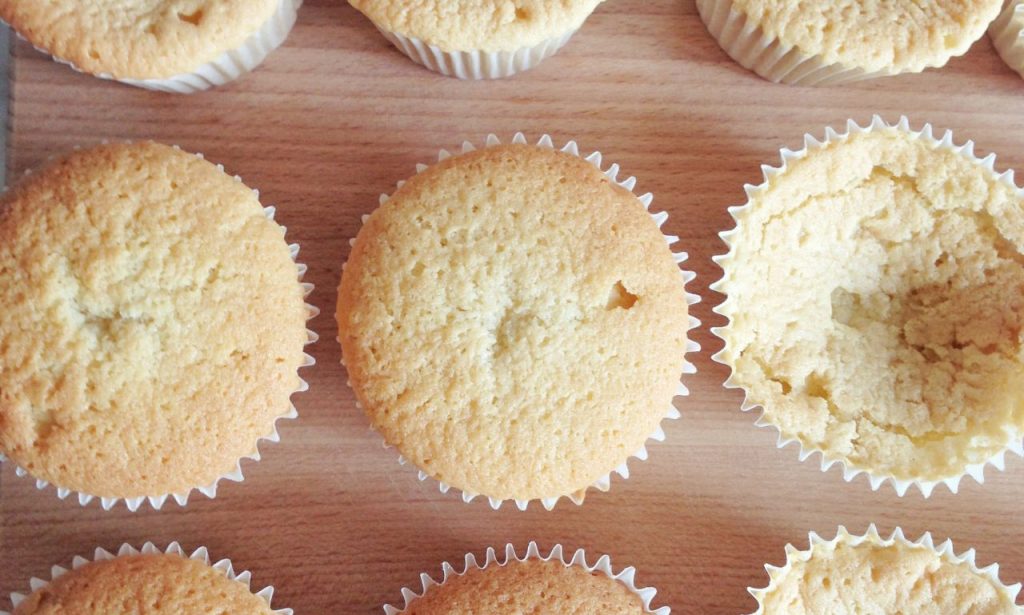
A cake rises because gases in the batter expand during baking. Those gases mainly come from baking powder, baking soda, and trapped air created while mixing butter and sugar.
Heat activates the leavening agents. Tiny air bubbles grow larger, pushing the batter upward. At the same time, eggs and flour begin to form a structure around those bubbles. Think of it like inflating a balloon while building a support system around it.
Eggs play a major role because their proteins strengthen the cake as they cook. Flour adds stability through gluten development. Butter contributes moisture and tenderness. Baking powder creates lift.
Problems happen when one ingredient outweighs another. Too much liquid weakens the structure. Excess baking powder creates rapid rising followed by collapse. Insufficient flour leaves the cake unable to hold its shape.
Professional bakers often compare cake batter to a balancing act. Once one element tips too far, the middle sinks before the cake fully sets.
What Happens Inside the Oven During Baking?
Inside the oven, several reactions occur simultaneously. During the first stage of baking, the batter experiences what bakers call “oven spring.” Heat rapidly expands trapped air and steam, causing the cake to rise.
Next comes moisture evaporation. Water in the batter turns into steam as proteins and starches begin to set. This step is critical because it locks the cake into shape.
Trouble starts when the outer edges cook faster than the center. The cake may appear finished on top, while the middle remains underbaked. Once removed from the oven, the weak center collapses under its own weight.
Humidity can also affect baking performance. Bakers in coastal cities often notice slightly different results because the air moisture affects how flour absorbs liquid.
Common Baking Mistakes That Cause Cakes to Sink
Even experienced bakers make small mistakes that lead to sunken cakes. The difference is that they know how to identify the problem quickly.
A few simple adjustments can save future bakes.
Can Opening the Oven Door Too Early Ruin a Cake?
Absolutely. Opening the oven door too early is one of the fastest ways to ruin a cake.
When the oven door opens, heat escapes immediately. The sudden temperature drop interrupts the rising process before the cake structure stabilizes. If the center has not fully set, it collapses instantly.
Most cakes need at least three-quarters of the baking time to be complete before they can withstand disturbance. A sponge cake is especially delicate because it depends heavily on trapped air for lift.
Many bakers learn this lesson the hard way. You smell the cake, get excited, peek inside, and suddenly the center sinks.
How Overmixing or Undermixing Affects Cake Texture
Mixing mistakes can destroy the cake texture before the batter even enters the oven.
Overmixing develops too much gluten in the flour. That creates a dense, rubbery structure that struggles to rise evenly. A heavily mixed batter also traps excess air that expands too quickly during baking. Once the air escapes, the middle caves in.
Undermixing causes different problems. Pockets of unmixed butter, flour, or baking powder create uneven baking. Some sections rise properly while others remain weak and unstable.
If your cakes frequently sink despite following recipes carefully, your mixing method could be the hidden issue.
Does Too Much Baking Powder or Baking Soda Cause Sinking?
Yes, too much leavening agent is a common cause of collapsing cakes.
At first, excess baking powder makes the batter rise rapidly. The cake may even look impressively tall during baking. Unfortunately, the structure cannot support that dramatic lift.
Eventually, the air bubbles grow too large and burst. Once that happens, the center falls.
Expired baking powder causes trouble, too. Old leavening agents lose strength over time, leading to weak rising and uneven texture.
Many people forget that baking powder has a shelf life. A container sitting in the pantry for 2 years may no longer perform properly.
Testing freshness is simple. Drop a small spoonful into warm water. If it fizzes immediately, it still works.
How Ingredient Temperature and Measurements Impact Baking
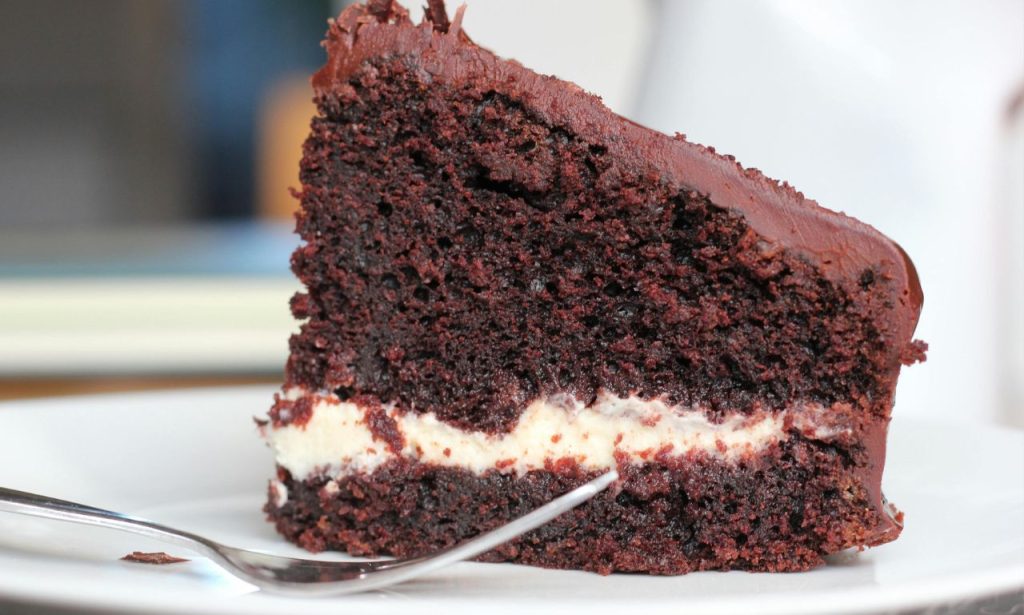
Room-temperature ingredients help cake batter combine smoothly. Cold eggs or butter can prevent proper emulsification, leading to uneven texture and poor structure.
Measurement mistakes also create major problems. Scooping flour directly with a measuring cup packs in too much flour. On the other hand, excess liquid weakens the batter.
Professional bakers almost always weigh ingredients because volume measurements vary too much. A single extra tablespoon of milk can affect delicate sponge cakes.
TikTok baking trends sometimes encourage creative ingredient swaps without explaining the chemistry behind them. That shortcut often leads to collapsed cakes.
Consistency matters. Using the correct ingredient temperature and accurate measurements gives cakes the stability they need to rise properly.
Oven and Pan Issues That Lead to Sunken Cakes
Sometimes the recipe is fine, but the equipment causes problems instead.
Ovens and pans influence how heat moves through the batter.
Why Incorrect Oven Temperature Causes Cakes to Fall
Oven temperature plays a massive role in cake success.
An oven running too hot causes the cake edges to set before the center finishes baking. The middle continues rising without support, then collapses after removal.
An oven that runs too cool creates a weak structure because the cake never sets properly.
Here’s the surprising part. Many home ovens are inaccurate by 10 to 25 degrees. That difference can completely change baking results.
Professional bakers rely on oven thermometers instead of trusting built-in settings. A simple thermometer often solves recurring baking issues instantly.
Uneven heat distribution also creates trouble. Some ovens have hot spots that bake one side faster than the other.
Rotating the cake carefully during the final baking stage can help prevent uneven cooking.
Can the Wrong Cake Pan Affect Baking Results?
The pan matters more than most people think.
A pan that is too small forces the batter upward too quickly. The center rises dramatically, then collapses because the structure cannot withstand the load.
Overfilling pans creates similar issues. Most cake pans should only be filled about two-thirds full.
Dark pans absorb more heat, causing faster edge baking. Light-colored aluminum pans distribute heat more evenly and usually produce better cake texture.
Professional bakeries often use aluminum pans because they provide consistent heat transfer. Small equipment details like this make a noticeable difference.
Best Baking Practices for Perfectly Risen Cakes
Start by reading the recipe fully before mixing anything. Many baking mistakes happen because steps get rushed.
Preheat the oven to the required temperature before adding the batter. Use fresh baking powder and baking soda. Measure ingredients carefully.
Professional bakers also recommend avoiding distractions while baking. One missed measurement or forgotten timer can ruin the structure entirely.
How to Tell When a Cake Is Fully Baked
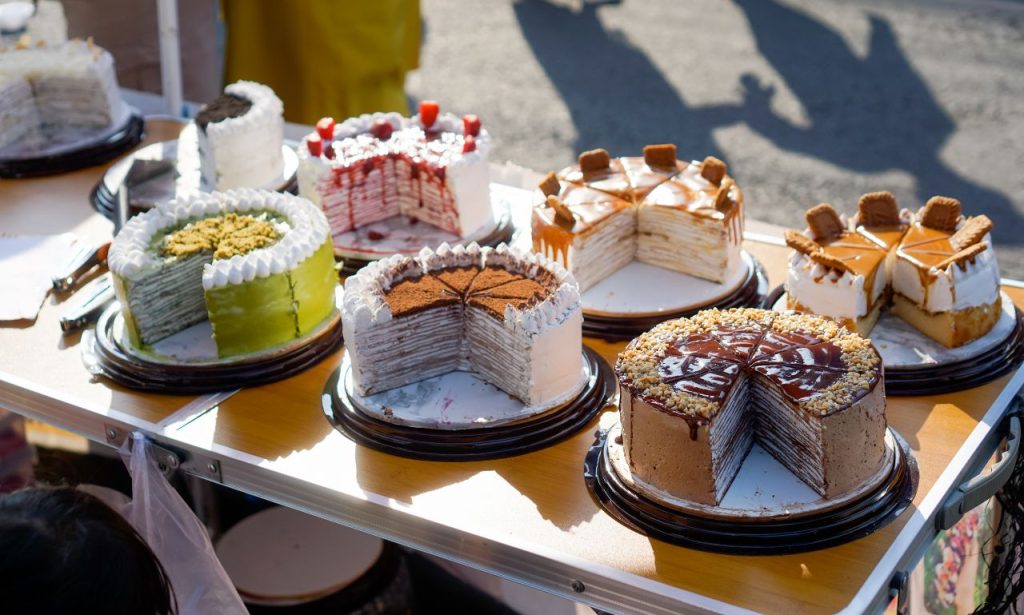
A fully baked cake feels slightly springy when touched gently in the center. If your finger leaves an indentation, it likely needs more time to dry.
The toothpick test remains one of the easiest methods. Insert it into the center carefully. A few moist crumbs are fine, but wet batter means the cake is underbaked.
Cooling matters too. Let the cake rest in the pan for a brief time before transferring it to a wire rack. Sudden temperature changes can trigger collapse.
Have you ever noticed bakery cakes cool slowly in controlled environments? That gradual cooling helps preserve structure.
Small details can make a big difference in baking results.
Conclusion
A cake sinking in the middle usually points to one thing: imbalance. Whether it comes from oven temperature, ingredient errors, overmixing, or premature oven checks, the structure fails to set completely.
The encouraging part is that most baking mistakes are fixable. Even professional bakers occasionally troubleshoot collapsed cakes.
Once you understand how heat, air, moisture, and structure work together, baking becomes far less frustrating. You stop guessing and start recognizing patterns.
The next time your cake rises beautifully without collapsing, you will know exactly why it worked. And honestly, that first perfect slice feels pretty rewarding.
Also Read: Why Meal Prep Chicken Becomes Rubbery?
FAQs
Yes. Excess baking powder causes rapid rising followed by collapse.
Avoid opening the oven during the early baking stages, as heat loss can affect the structure.
Absolutely. Incorrect oven temperature is one of the biggest causes of sunken cakes.
Yes. Overmixing produces excess gluten and weakens the cake’s texture.
