

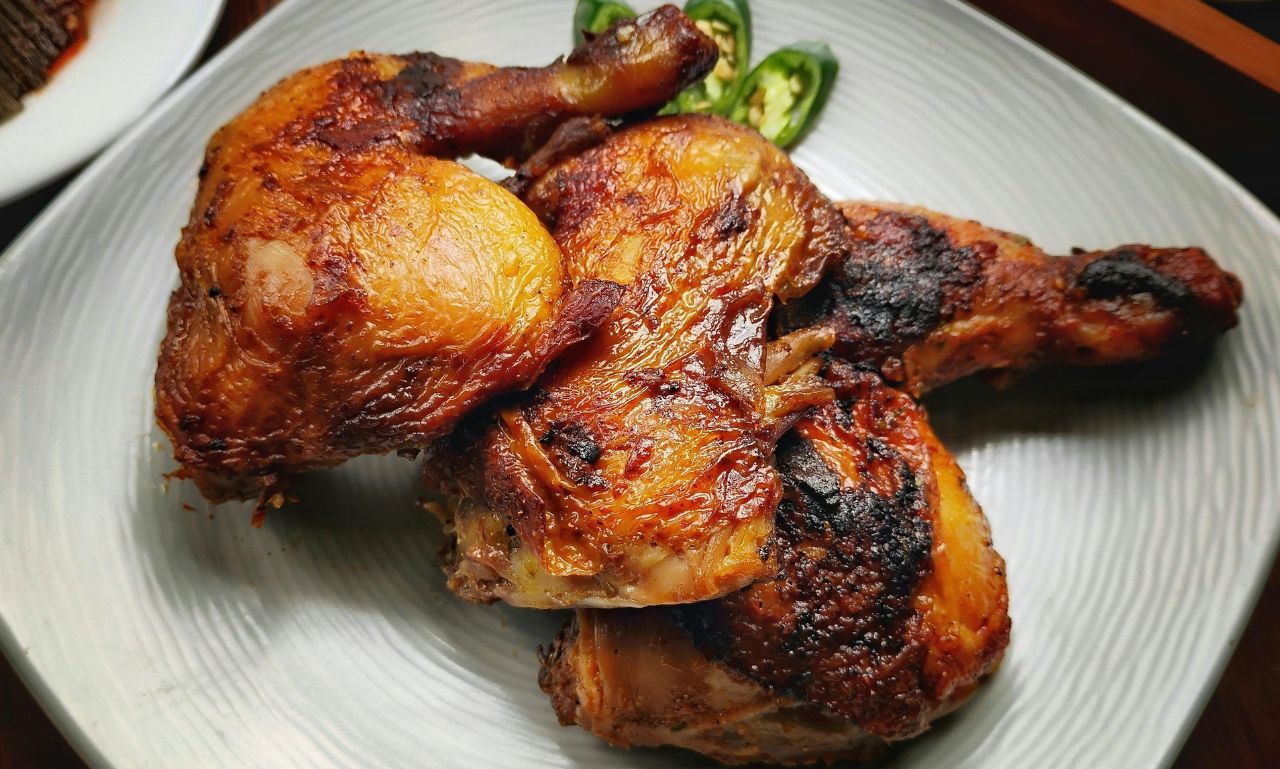
Meal prepping sounds simple until you open your lunch container on Wednesday and bite into chicken that feels more like an old rubber shoe than dinner. Almost everyone who meal preps has faced this problem at least once. You cook a big batch on Sunday, store it carefully, then somehow the chicken turns dry, chewy, and strangely tough by midweek.
The frustrating part is that many people assume they overcooked it once and move on. In reality, several factors work together to ruin the texture. Cooking temperature, storage methods, reheating habits, and even the cut of chicken all play a role.
If you have ever wondered why meal prep chicken becomes rubbery, this guide breaks it down in a practical and easy-to-understand way.
What Causes Meal Prep Chicken to Become Rubbery?
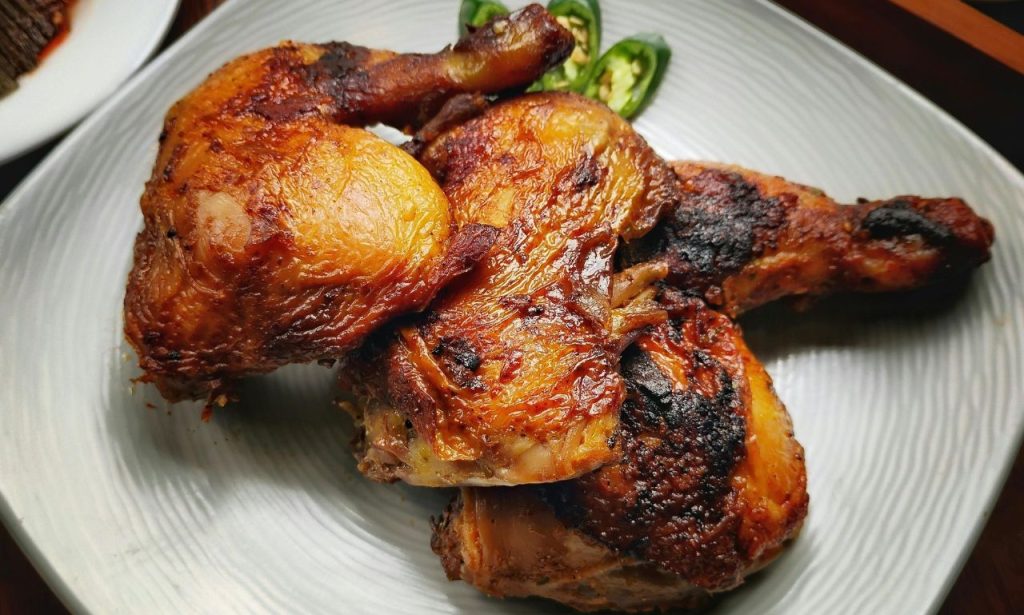
Chicken changes texture quickly when heat, moisture, and storage conditions are not balanced correctly. The process starts during cooking and usually gets worse after refrigeration and reheating.
Overcooking Chicken During Meal Prep
Overcooking is the biggest reason chicken turns rubbery during meal prep. Once chicken passes the proper internal temperature, the protein fibers tighten aggressively and squeeze out moisture. Instead of tender meat, you end up with dry strands that feel chewy with every bite.
Chicken breast suffers the most because it contains very little fat. Lean meat cooks fast, but it also dries out fast. Many home cooks accidentally leave chicken in the oven “just to be safe.” That extra five minutes often ruins the texture completely.
Reheating makes things worse. Imagine heating already dry chicken a second time in a microwave. The remaining moisture evaporates even more. By the third day, the chicken can taste almost stringy.
A former meal prep chef once explained on a podcast that commercial kitchens often pull chicken slightly before it is fully cooked. Residual heat continues the process while resting. Most home cooks skip that step and unknowingly overcook their food.
Temperature matters more than people think. Chicken only needs to reach 165°F internally. Going far beyond that creates problems you cannot reverse later.
The Science Behind Rubbery Chicken Texture
Chicken contains muscle proteins that react dramatically to heat. When exposed to high temperatures, those proteins coagulate and tighten. Moisture escapes during that process, especially if cooking happens too quickly.
Refrigeration changes the texture further. Cold air dries exposed surfaces while stored moisture redistributes unevenly inside the meat. After reheating, chicken loses even more water, leaving behind denser fibers.
Chicken breast becomes rubbery faster than thighs because dark meat contains more fat and connective tissue. Fat acts like insulation. It helps meat stay moist even after refrigeration and reheating.
There is also a growing issue in the poultry industry called “woody breast.” Some chicken breasts develop unusually hard muscle fibers due to rapid growth farming practices. According to poultry research from the University of Arkansas, woody breast texture has become increasingly common in large, commercially raised chickens.
That explains why some meal-prep chicken feels rubbery even when cooked properly.
Common Meal Prep Mistakes That Ruin Chicken Texture
Small mistakes add up quickly when preparing several meals at once. One wrong storage choice or reheating habit can completely change the texture.
Using the Wrong Cooking Method for Meal Prep
Not every cooking method works equally well for meal prep chicken.
Grilling creates amazing flavor, but it can dry out chicken quickly if the heat stays too high. Thin chicken breasts struggle, especially on grills, because moisture evaporates quickly.
Air fryers produce crispy edges, though they can overcook lean chicken within minutes. Timing becomes critical. A single extra cycle can turn juicy meat tough.
Boiling chicken sounds safe, yet it often strips away flavor and creates a bland, stringy texture. Many fitness enthusiasts use boiled chicken because it feels easy, but the final result rarely tastes satisfying after reheating.
Slow cooking performs much better for meal prep. Lower temperatures help preserve moisture. Chicken thighs cooked in a slow cooker often stay tender for several days.
Sous vide cooking delivers the best results for many meal prep enthusiasts. Since the chicken cooks gently in sealed bags, moisture stays trapped inside. Restaurants use this technique frequently because it keeps proteins consistently juicy.
Baking works well too, especially at a moderate temperature around 375°F rather than blasting the chicken at 425°F.
Storing and Reheating Chicken Incorrectly
Containers with poor seals allow moisture to escape from the refrigerator. Dry-circulating air slowly toughens the meat’s surface. Glass containers usually preserve texture better than cheap plastic ones.
Microwaving can cause even more damage when people improperly reheat chicken. High heat rapidly drives moisture out, especially when reheating without added liquid. Ever notice how microwave chicken sometimes squeaks when you chew? That texture comes from dried protein fibers.
Repeated reheating also creates problems. Heating the same container multiple times throughout the week dries the chicken further each round.
A better approach is to portion meals separately and reheat only once. Adding a spoonful of broth, sauce, or even water before reheating helps restore moisture.
How to Keep Meal Prep Chicken Juicy and Tender
Good meal prep chicken comes down to moisture control. Small adjustments can completely change the final texture.
Best Cooking Techniques for Moist Meal Prep Chicken
Brining works wonders for meal prep chicken. Salt helps meat retain water during cooking, which means less moisture escapes later. Even a quick 30-minute brine noticeably improves texture.
Marinating adds another layer of protection. Ingredients like yogurt, lemon juice, or olive oil create moisture barriers while improving flavor. Many Mediterranean restaurants rely heavily on yogurt marinades because they naturally tenderize proteins.
Cooking temperature matters just as much. Lower, gentler heat preserves texture far better than aggressive high-temperature cooking.
Sous vide remains one of the most effective methods because precise temperature control prevents overcooking entirely. Home cooks avoided it for years because it seemed complicated, but affordable sous vide devices changed that.
Resting chicken after cooking is another overlooked step. Cutting immediately releases juices onto the cutting board instead of keeping them inside the meat. Letting chicken rest for five to ten minutes makes a surprising difference.
Batch cooking should also stay manageable. Cooking massive piles of chicken at once often leads to uneven doneness. Smaller batches provide better texture control.
Smart Reheating Methods That Prevent Rubbery Chicken
Reheating gently matters just as much as cooking properly.
Adding broth or sauce before reheating helps replace lost moisture. Even two tablespoons can dramatically improve texture.
Skillet reheating works especially well because the heat distributes evenly. A covered skillet traps steam while slowly warming the chicken.
Oven reheating also performs better than microwaving. Wrapping chicken loosely in foil prevents moisture loss and keeps the texture softer.
Microwave reheating is not automatically bad, though technique matters. Using lower power settings and covering the container with a damp paper towel creates steam that protects the chicken.
One chef on a cooking show joked that most people “cremate leftovers instead of reheating them.” He was not entirely wrong.
Patience helps here. Fast reheating almost always makes chicken tougher.
The Best Types of Chicken for Meal Prep
The cut and quality of chicken affect texture more than many people realize.
Chicken Breast vs Chicken Thighs for Meal Prep
Chicken breast remains popular because it is lean and high in protein. Fitness meal plans often rely heavily on it for that reason.
Texture, however, becomes its weakness. Since breast meat contains little fat, it dries out quickly after cooking and reheating.
Chicken thighs hold up much better during meal prep. Higher fat content keeps them moist for several days. Flavor also improves because dark meat contains richer natural juices.
Nutritionally, breasts contain fewer calories and less fat. Thighs provide more flavor and tenderness. Many meal prep experts now recommend using a mix of both rather than relying entirely on breast meat.
Reheating performance favors thighs almost every time. Even after several days in the fridge, thighs usually stay softer and juicier.
That difference explains why many restaurant meal services prefer thigh meat in prepared dishes.
Fresh vs Frozen Chicken
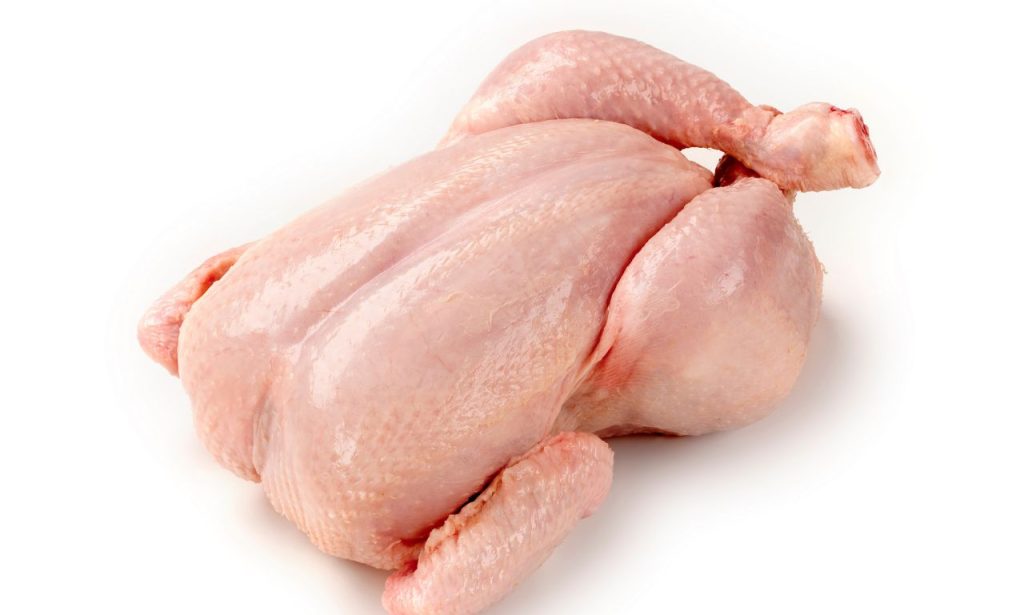
Frozen chicken can absolutely affect texture, though not always negatively.
Improper freezing creates ice crystals inside the meat. Those crystals damage muscle fibers, causing moisture loss after thawing. Cheap supermarket chicken sometimes suffers from this problem.
Water-injected chicken creates another issue. Some commercial chicken contains added saline solutions that alter cooking behavior. After reheating, the texture can become oddly spongy or rubbery.
Woody breast syndrome has also become more common in large frozen chicken breasts. The meat feels hard even before cooking.
Whenever possible, smaller fresh chicken cuts usually provide better meal prep texture than oversized frozen breasts.
Conclusion
Meal-prep chicken turns rubbery for several reasons, but most problems stem from moisture loss and heat management. Overcooking starts the damage, while poor storage and harsh reheating finish the job.
Fortunately, fixing the issue is easier than many people think. Choosing gentler cooking methods, using proper storage containers, and reheating slowly can completely transform meal prep results.
Chicken thighs often outperform breasts for weekly meal prep because they retain moisture better. Brining, marinating, and cooking to the correct temperature also help tremendously.
Next time your chicken comes out dry, do not blame yourself immediately. Even experienced cooks deal with texture issues occasionally. The difference is that they learn small techniques that keep food tender longer.
Try adjusting just one habit this week. You might be surprised how much better your meal prep tastes.
Also Read: What Causes Cakes to Sink in the Middle?
FAQs
Yes. Chicken breast contains less fat, so it dries out faster than thighs.
Usually, yes, as long as it was stored and reheated properly. The issue is texture, not safety.
Use low heat with added broth or sauce to help retain moisture.
It can if frozen improperly or thawed too quickly, which damages muscle fibers.
