

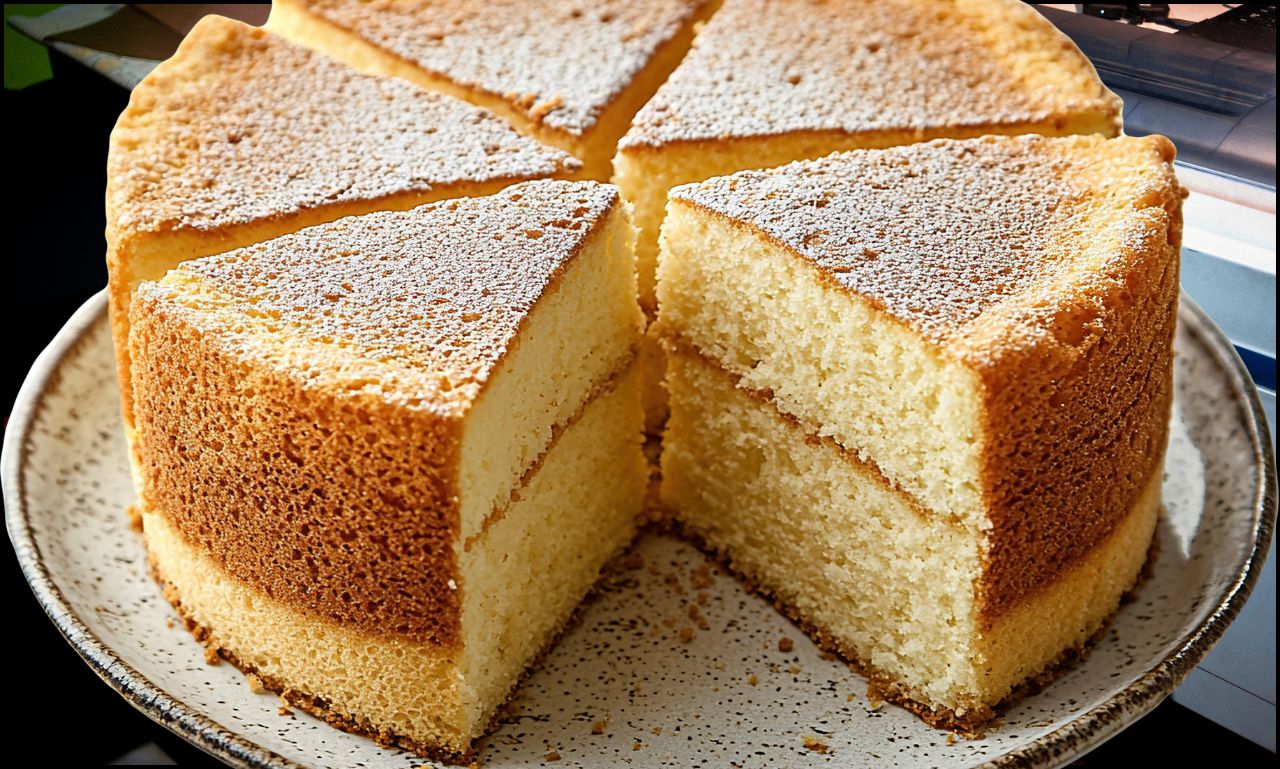
Cutting back on sugar sounds simple until your cake comes out dry, pale, and strangely chewy. Almost every home baker has been there at least once.
It affects moisture, softness, browning, and even how long your cake stays fresh on the counter. Remove too much without adjusting the recipe, and texture problems show up fast.
Still, you do not need to choose between healthier baking and delicious cake. Professional bakers reduce sugar all the time. They simply know how to rebalance recipes properly.
If you have ever wondered whether you can reduce sugar without ruining cake texture, the answer is yes. You just need the right approach.
Why Sugar Matters in Cake Beyond Sweetness
How Sugar Affects Moisture, Tenderness, and Structure
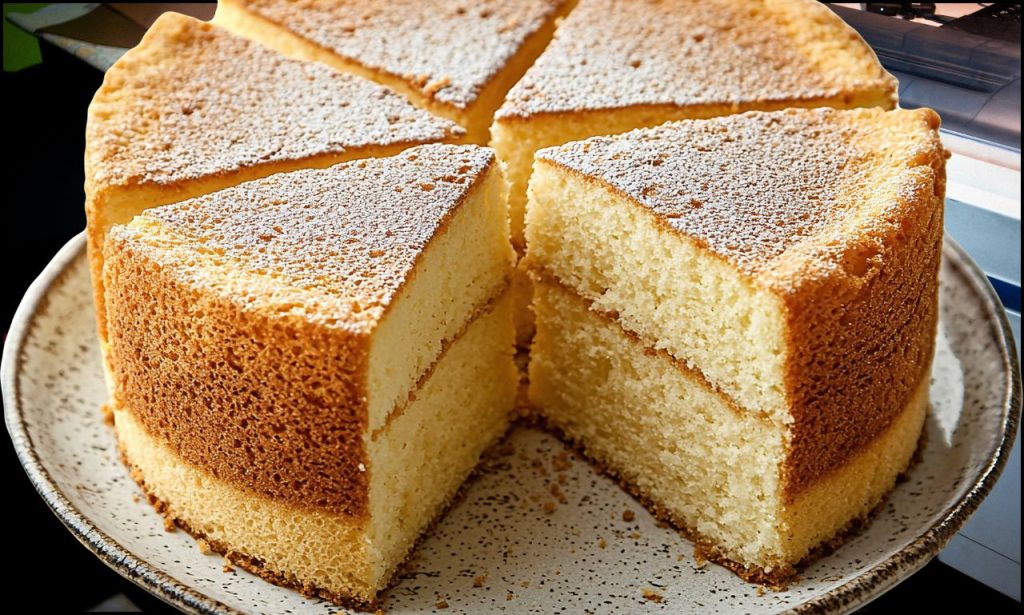
Most people think that flour and eggs build a cake’s structure. They do, but sugar controls how that structure feels when you take a bite. Sugar attracts water naturally. Bakers call this hygroscopic behavior, but in everyday language, it simply means sugar helps cakes stay moist longer. Without enough sugar, cakes dry out quickly, especially overnight.
Texture changes too. During mixing, sugar slows gluten formation. Less gluten creates a softer crumb. Once sugar levels drop too far, cakes become tighter and slightly rubbery.
You can actually notice this difference in many “healthy” café muffins. Some feel dense enough to survive a road trip in your glove compartment.
Sugar also helps cakes rise properly. When butter and sugar are creamed together, tiny air pockets form inside the batter. Those pockets expand during baking, creating fluffiness.
Color depends on sugar as well. That golden top on a vanilla cake comes from caramelization. Lower sugar often means pale cakes with less flavor complexity.
Even shelf life connects back to sugar. Commercial bakeries understand this very well. Cakes with balanced sugar levels stay soft longer and don’t taste stale after one day.
What Happens to Cakes When You Reduce Too Much Sugar
A small reduction usually works beautifully. Extreme cuts create problems fast.e The first issue is dryness. Since sugar holds moisture, removing large amounts leaves cakes crumbly and less tender.
Rise becomes another challenge. Reduced-sugar cakes sometimes collapse in the center because the batter structure changes during baking. Sponge cakes struggle the most because they depend heavily on sugar for stability.
Flavor also takes a hit. Sugar does more than add sweetness. It enhances vanilla, chocolate, butter, and fruit flavors. Without enough sugar, cakes can taste oddly flat.
King Arthur Baking tested reduced-sugar recipes and found many cakes handled a 10% to 25% sugar reduction surprisingly well. Beyond that point, texture issues became more noticeable unless other ingredients changed too.
That detail matters because many online “healthy cake” recipes aggressively slash sugar without adjusting the moisture or fat balance.
The result? Dry disappointment.
How Much Sugar Can You Safely Reduce in a Cake Recipe?
The Ideal Percentage of Sugar Reduction for Different Cakes
Most cakes tolerate moderate sugar reductions better than people expect.
Butter cakes, loaf cakes, and chocolate cakes usually handle a 15% to 25% reduction without major changes in texture. Many people cannot even tell the difference.
Chocolate cakes work especially well because cocoa delivers bold flavor naturally. Bitterness from cocoa can actually balance reduced sweetness nicely.
Delicate cakes require more caution. Sponge cakes, chiffon cakes, and angel food cakes depend heavily on sugar for structure and stability. Removing too much can cause collapse or dryness.
Cheesecakes sit somewhere in the middle. Cream cheese already adds richness and moisture, so slight sugar cuts often work well.
Professional bakers rarely reduce sugar drastically in one attempt. Instead, they lower it gradually over several batches until they find the sweet spot.
Your taste buds adjust too. After eating lower-sugar desserts consistently for a few weeks, many standard bakery cakes start tasting overwhelmingly sweet.
Funny how quickly preferences change, right?
Which Cakes Handle Sugar Reduction Best?
Some cakes naturally adapt better because they already contain moisture-rich ingredients.
Applesauce cake, zucchini cake, and pumpkin cake also hold up well. Those ingredients support tenderness even when sugar decreases.
Dense chocolate cakes tend to survive sugar reduction better than airy vanilla cakes. Rich cocoa flavor effectively masks changes in sweetness.
On the other hand, airy sponge cakes can quickly become dry and fragile. Their delicate structure depends heavily on sugar stabilizing whipped eggs.
During the low-fat craze in the 1990s, many bakeries aggressively reduced both sugar and fat. Customers complained constantly because the cakes had completely lost their flavor and texture.
Best Ingredients to Replace Sugar Without Losing Texture
Natural Sweeteners That Work Well in Cakes
Natural sweeteners can help maintain softness while reducing refined sugar.
Honey works especially well because it naturally adds moisture. Cakes made with honey often stay tender longer than standard cakes.
Maple syrup creates similar results while adding a deeper flavor. It pairs beautifully with spice cakes, carrot cake, and banana bread.
Coconut sugar has gained popularity, too. Its caramel-like flavor pairs well with chocolate desserts and warm spice cakes.
Still, balance matters. Liquid sweeteners increase moisture levels, so recipes may need slightly less milk or water.
Artificial sweeteners can be trickier. Stevia and monk fruit provide sweetness but not the physical bulk that sugar normally contributes. Used alone, they sometimes create dry or strange textures.
Moisture-Boosting Ingredients That Prevent Dry or Dense Cakes
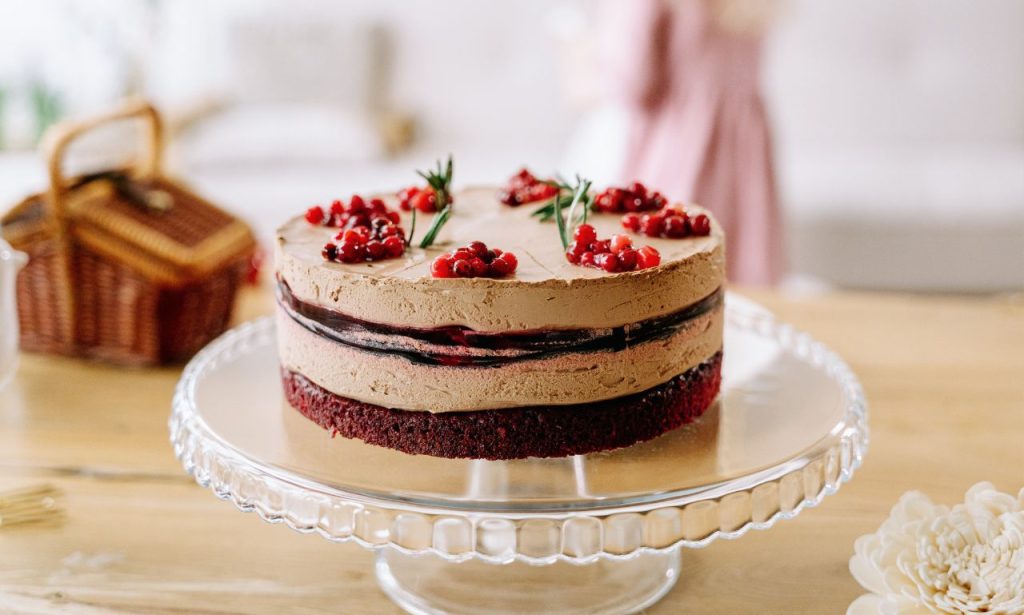
Reducing sugar means moisture becomes even more important.
Applesauce remains one of the easiest fixes for low-sugar baking. It adds softness and subtle sweetness without overpowering flavor.
Greek yogurt works wonderfully, too. It creates tenderness while adding richness and slight tanginess.
Mashed bananas help many breakfast cakes stay fluffy. Sour cream and buttermilk also improve softness because their acidity slightly weakens gluten formation.
Bon Appétit interviewed several pastry chefs who mentioned using sour cream in reduced-sugar cakes because it maintains a luxurious texture without making desserts overly sweet.
That approach makes a huge difference.
A healthy cake should still feel comforting, not like a punishment pretending to be dessert.
Baking Techniques That Help Low-Sugar Cakes Stay Soft and Fluffy
Mixing, Baking Time, and Temperature Adjustments for Reduced-Sugar Cakes
Technique becomes incredibly important once sugar levels change.
Reduced-sugar cakes often bake faster because sugar normally slows protein coagulation. Overbaking happens quickly if you follow the original timing exactly.
Mixing matters too. Proper creaming creates air pockets that help cakes rise. Since reduced sugar means fewer crystals during mixing, bakers need to cream butter thoroughly until visibly fluffy.
Some pastry chefs lower oven temperatures slightly for reduced-sugar cakes. Gentler heat allows the cake to bake evenly before moisture disappears.
Resting batter briefly before baking can also improve hydration. Many professional kitchens quietly use this method for muffins and loaf cakes.
Small adjustments like these separate soft cakes from disappointing ones.
How to Maintain Browning, Rise, and Shelf Life With Less Sugar
Lower sugar usually means less browning. Thankfully, there are ways around that.
Honey, maple syrup, and milk naturally encourage caramelization. Even lightly brushing loaf cakes with milk before baking can improve their color.
Rise sometimes needs support, too. A tiny increase in baking powder may help reduce-sugar cakes stay lighter.
Freshness becomes another challenge because sugar normally preserves moisture. Wrapping cakes while slightly warm traps steam and keeps the texture softer longer.
French pastry chefs have used soaking syrups for generations, especially on sponge cakes. Besides adding flavor, syrups restore moisture beautifully.
Home bakers can easily borrow that trick. A light brush of citrus syrup or vanilla syrup works wonders.
Common Mistakes When Cutting Sugar in Cakes and How to Avoid Them
Why Reduced-Sugar Cakes Become Dry, Rubbery, or Flat
The biggest mistake is changing sugar levels without adjusting anything else. Cake recipes operate like chemistry experiments. Shift one ingredient too far, and the entire balance changes.
Dryness usually comes from moisture loss or overbaking. Rubbery texture appears because less sugar allows stronger gluten development. Flat cakes often occur when bakers do not cream the butter properly after reducing the sugar.
Another issue involves unrealistic expectations. Many people expect low-sugar cakes to taste identical immediately. In reality, your palate adjusts gradually over time.
Professional pastry chefs understand this psychological side of baking very well. Balanced flavor matters more than extreme sweetness.
Sometimes the goal is not making cake “healthy.” The goal is to make it satisfying without excess sugar.
Expert Tips for Making Healthier Cakes Taste Bakery-Quality
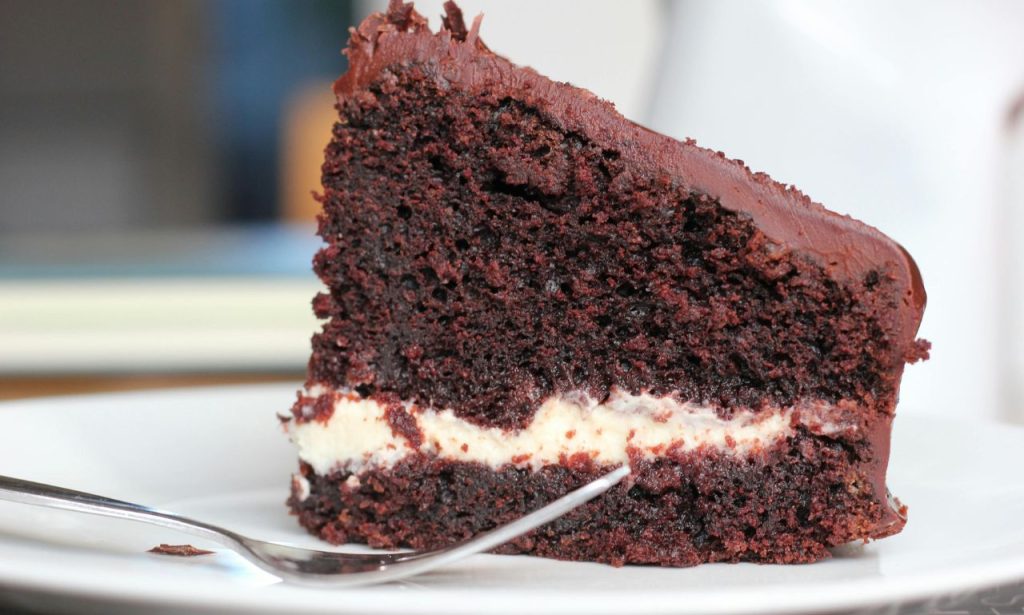
Flavor layering can completely transform reduced-sugar cakes.
Vanilla extract, citrus zest, cinnamon, espresso powder, and sea salt all naturally boost perceived sweetness. Skilled bakers rely heavily on these ingredients.
Texture matters just as much as flavor. Moist cakes feel richer and more indulgent even with lower sugar levels.
Using quality ingredients helps too. Real vanilla and high-quality cocoa powder create a stronger flavor impact than artificial versions.
Portion size also plays a role. European bakeries often serve smaller desserts with balanced sweetness instead of oversized sugary slices.
That approach leaves people feeling satisfied rather than overwhelmed.
Want your cakes to taste bakery-quality? Focus on moisture, aroma, and texture first. Sweetness becomes less important when everything else feels right.
Conclusion
So, can you reduce sugar without ruining the cake’s texture? Absolutely.
The secret lies in understanding sugar’s real job inside cake batter. It controls moisture, softness, rise, browning, and freshness. Once you adjust recipes thoughtfully, lower-sugar cakes can still taste rich, fluffy, and satisfying.
Most cakes handle moderate sugar reductions surprisingly well, especially when paired with moisture-rich ingredients and better baking techniques.
You do not need to give up dessert to bake smarter.
Start small. Reduce sugar slightly in your favorite recipe and pay attention to texture changes. Chances are, you will enjoy the results more than expected.
Also Read: What Causes Cakes to Sink in the Middle?
FAQs
Honey, maple syrup, and applesauce work best because they add both sweetness and moisture.
Reduced sugar allows more gluten formation, which can create a tighter and heavier texture.
Banana bread, carrot cake, chocolate cake, and pumpkin cake usually adapt very well.
Not always. Sugar helps retain moisture, so proper storage becomes more important.
