

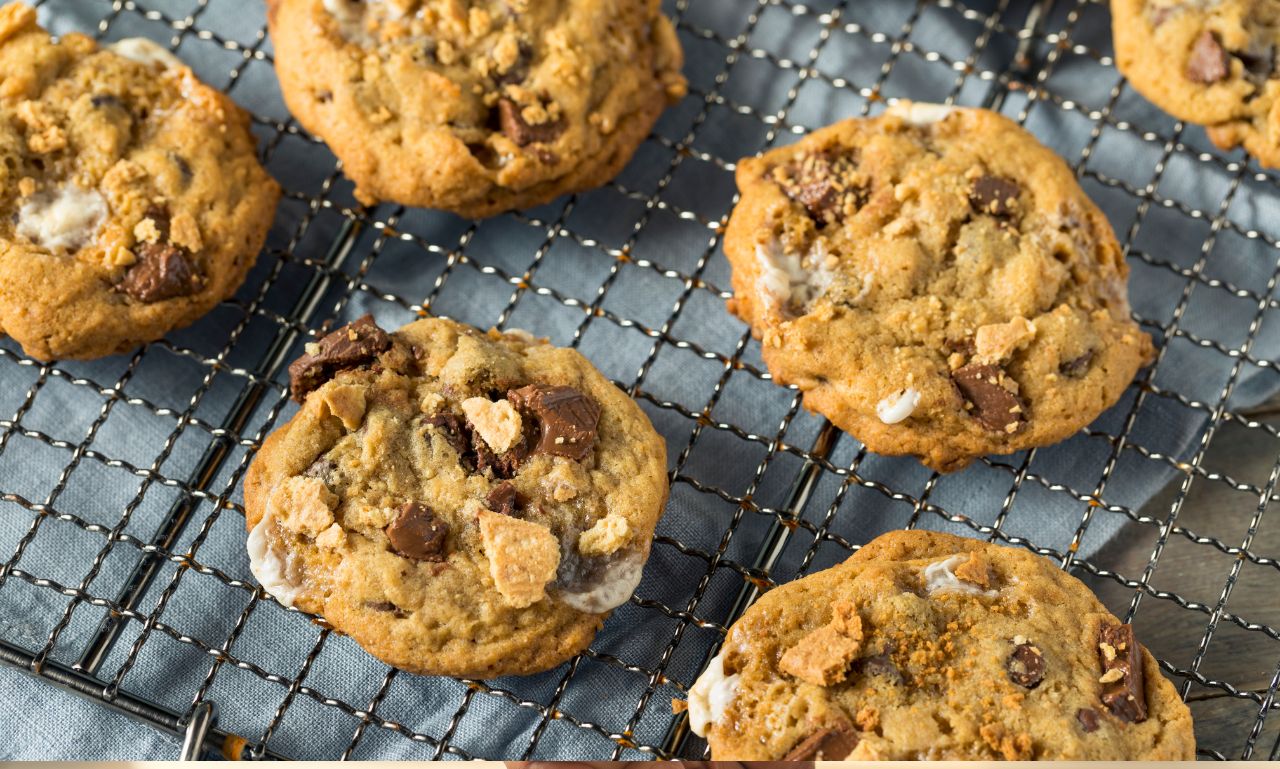
You pull a tray of cookies from the oven, and the whole kitchen smells amazing. The edges are golden, the centers are soft, and honestly, they taste better than anything from a grocery store bakery. Then the next morning comes. You grab one with your coffee, take a bite, and suddenly it feels like you are chewing drywall.
Frustrating, right?
A lot of home bakers ask the same question: Why do Homemade Cookies Turn Hard the Next Day? The answer usually comes down to moisture, ingredients, and baking habits. Cookies are surprisingly sensitive little things. One extra minute in the oven or one scoop too much flour can completely change the texture overnight.
Professional bakeries spend years perfecting this balance. Home bakers usually learn through trial and error. One weekend, your cookies stay soft for three days. The next batch turns stiff before bedtime.
The good news is you do not need culinary school training to fix it. Once you understand what causes cookies to harden, keeping them soft becomes much easier.
The Science Behind Why Homemade Cookies Turn Hard Overnight
Fresh cookies continue changing even after they leave the oven. Heat, air, and moisture keep working behind the scenes for hours.
How Moisture Loss Changes Cookie Texture
Soft cookies contain trapped moisture inside the dough. During baking, some water evaporates, while the rest remains locked in the cookie structure. As cookies cool, that moisture slowly escapes into the air.
Here is where the trouble starts.
If cookies sit uncovered on the counter, they lose moisture quickly. Dry indoor air makes the problem even worse. Winter heating systems are notorious for drying out baked goods overnight.
Food scientists often describe this as staling. Bread goes through the same process. Starch molecules begin to tighten as baked goods cool, changing the texture from soft to firm.
Chewy cookies usually hold more moisture because they contain ingredients like brown sugar, egg yolks, or extra butter. Crispy cookies start drier, so their texture changes differently.
You have probably noticed that bakery cookies stay softer longer than homemade ones. Commercial bakeries use packaging and ingredients specifically designed to slow moisture loss. Homemade cookies do not have that luxury.
The Role of Sugar, Fat, and Flour in Cookie Softness
Sugar does more than sweeten cookies. Brown sugar contains molasses, which naturally attracts moisture. White sugar creates a crispier texture by allowing cookies to dry faster.
Butter also matters more than people think. Rich, soft cookies usually contain enough fat to keep the crumb tender. Reducing butter often results in dry, hard cookies.
Flour causes problems in many kitchens, too.
A common mistake happens when bakers scoop flour directly from the bag using a measuring cup. That method packs flour tightly and adds far more than recipes intend. Extra flour absorbs moisture aggressively, leaving cookies dry and dense.
Professional bakers usually spoon flour lightly into measuring cups before leveling it off—a small detail. Huge difference.
Even egg size changes cookie texture. Large eggs add more moisture than medium eggs. If a recipe calls for large eggs and smaller ones are used instead, cookies may dry out faster than expected.
Common Baking Mistakes That Make Cookies Hard the Next Day
Sometimes cookies turn hard because of tiny mistakes during baking. Most people do not even realize they are making them.
Overbaking and Incorrect Oven Temperatures
Overbaking is probably the biggest reason homemade cookies harden overnight.
Many home bakers wait until cookies look fully done before removing them from the oven. Unfortunately, cookies continue cooking on the hot baking sheet after baking ends. Pulling them out too late removes too much moisture.
Soft cookies should still look slightly underdone in the center. The edges can look set while the middle stays soft. Residual heat finishes baking them as they cool.
Oven temperature accuracy also matters.
A surprising number of home ovens run hotter than the displayed temperature. America’s Test Kitchen tested residential ovens and found many were off by 10 to 25 degrees.
That extra heat dries cookies faster than expected.
An oven thermometer can help more than fancy baking gadgets ever will. Bakers swear by them for a reason.
Dark baking sheets create another issue. They absorb more heat and cook cookie bottoms faster. Lighter aluminum pans usually produce softer, more even results.
Using Too Much Flour or the Wrong Ingredients
Flour mistakes ruin cookie texture quickly.
One overloaded cup can turn soft dough into something closer to biscuit batter. Dry dough almost always leads to hard cookies the next day.
Ingredient swaps can create problems, too. Replacing butter with low-fat spreads changes moisture levels. Substituting all brown sugar for white sugar makes the cookies crispier.
Gluten-free flour blends also behave differently. Some absorb liquid much faster than regular flour, which can cause cookies to dry out unless recipes are carefully adjusted.
Humidity even affects baking results.
A Chicago bakery owner once mentioned during a baking interview that professional bakers adjust recipes based on daily weather conditions. Flour absorbs moisture from the environment differently on humid days than on dry ones.
Most home bakers never think about that, but it absolutely affects texture.
How to Keep Homemade Cookies Soft and Fresh Longer
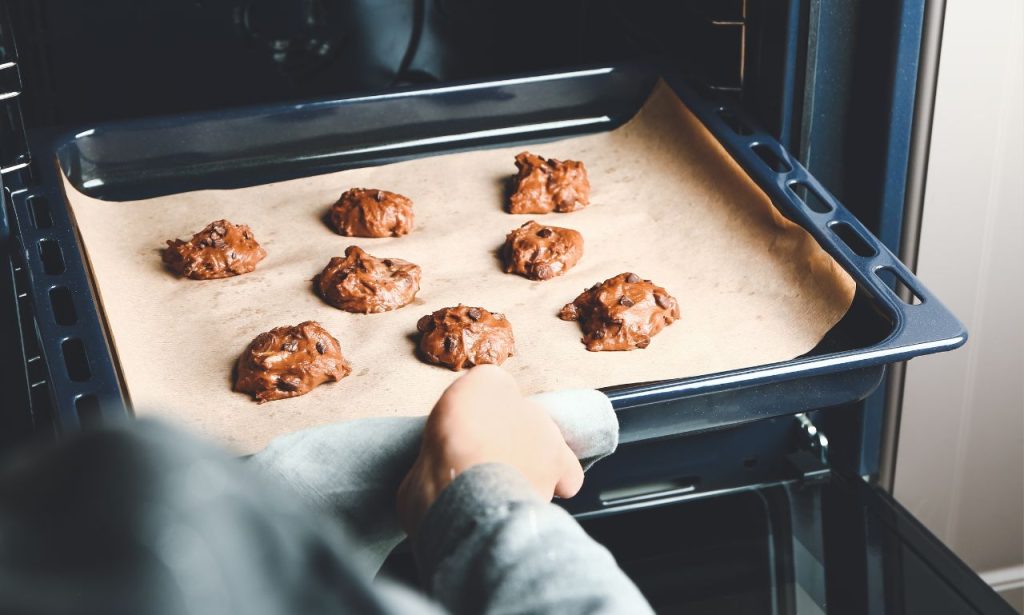
Good storage habits can make average cookies taste bakery-quality for days.
Best Storage Methods for Soft Cookies
Airtight containers are your best friend.
Leaving cookies exposed to air for several hours almost guarantees they will be dry by morning. Containers with tight-fitting lids help significantly slow moisture loss.
Glass containers often work better than thin plastic ones because they create a stronger seal. Cookie tins work nicely, too, as long as the lid closes tightly.
Cookies should cool completely before storage—warm cookies release steam, which creates condensation inside containers. Too much trapped steam can make cookies soggy, then cause them to dry unevenly.
Different cookie types should also stay separated.
Soft cookies stored beside crispy ones exchange moisture. The soft cookies dry out, while the crispy cookies lose crunch. Nobody wins.
Room temperature storage works best for most homemade cookies. Refrigerators usually dry them out faster.
Simple Tricks Like Bread Slices, Airtight Containers, and Freezing
The bread slice trick sounds old-fashioned, but it works surprisingly well.
Place a slice of sandwich bread inside the cookie container overnight. The bread transfers moisture into the cookies, helping them stay soft longer.
Grandmothers have used this trick forever, and honestly, grandma’s baking hacks rarely fail.
Freezing is another excellent option.
Many professional bakers freeze cookie dough instead of baked cookies because freshly baked cookies always taste better. Frozen baked cookies still hold up well when wrapped tightly in freezer-safe bags.
Want a quick fix for already hardened cookies?
Microwave one for about 10 seconds with a damp paper towel nearby. The steam softens the texture enough to make the cookie enjoyable again.
Not magic. Just moisture science.
Different Types of Cookies and Why Some Harden Faster Than Others
Some cookies naturally stay soft longer. Others are supposed to become crisp.
Why Crispy Cookies Stay Crunchy While Chewy Cookies Dry Out
Crispy cookies contain less moisture from the beginning. Biscotti are intentionally baked twice to remove nearly all water content.
Chewy cookies work differently. Their texture depends heavily on the amount of trapped moisture. Once that moisture evaporates, the cookies become hard rather than chewy.
Chocolate chip cookies often struggle with this issue because softness is part of their appeal.
Environmental conditions also play a role. Dry climates speed up moisture loss. Humid climates slow it down slightly.
Commercial bakeries sometimes add corn syrup or invert sugar because those ingredients hold moisture longer. Homemade recipes usually skip them.
How Ingredients Affect Chocolate Chip, Sugar, Oatmeal, and Shortbread Cookies
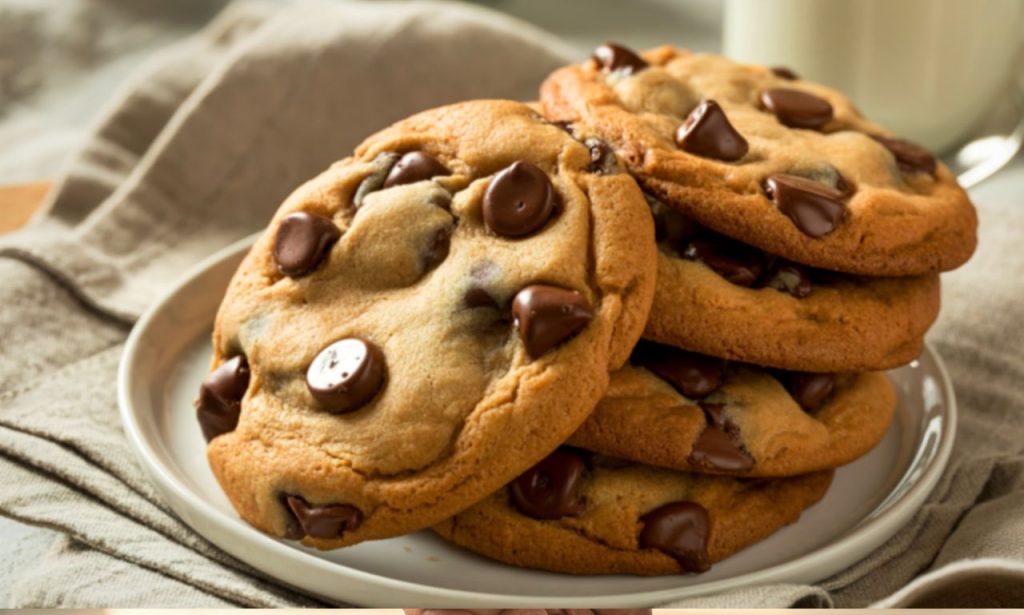
Chocolate chip cookies usually stay softer because brown sugar and butter help retain moisture.
Oatmeal cookies often remain chewy longer because the oats absorb and retain water.
Sugar cookies can become hard quickly if overbaked because they contain fewer moisture-rich ingredients.
Shortbread behaves differently altogether. Its high butter content creates a crumbly texture that still feels tender even after cooling.
Peanut butter cookies dry out faster than many people expect because peanut butter absorbs moisture during storage.
Every cookie recipe behaves differently. Texture depends on ingredient balance just as much as baking technique.
Conclusion
If you have ever wondered, “Why do Homemade Cookies Turn Hard the Next Day?” the answer almost always comes back to moisture loss. Overbaking, excess flour, dry storage conditions, and ingredient balance all affect cookie texture.
Fortunately, soft cookies are not difficult to achieve once you know what to adjust. Measure flour carefully, avoid overbaking, and store cookies properly in airtight containers.
Baking is one of those things where tiny changes make a massive difference. One less minute in the oven can completely transform tomorrow’s cookie.
And honestly, few things beat biting into a homemade cookie that still tastes fresh the next day.
Also Read: How Humidity Affects Bread Baking
FAQs
Yes. Brown sugar contains molasses, which helps retain moisture and creates a softer texture.
Yes. Microwaving bread slices or storing cookies in airtight containers can soften them again.
Usually no. Refrigerators often dry cookies out faster than room-temperature storage.
Bakeries use moisture-retaining ingredients, precise baking methods, and specialized packaging to keep cookies soft longer.
