

Starting keto feels exciting at first. The scale drops, cravings calm down, and energy improves. Then suddenly, progress slows for no clear reason. You are avoiding bread, pasta, and sugar, yet ketosis still feels out of reach. Sound familiar?
For many people, the real problem is not obvious junk food. It is the hidden carbs quietly slipping into meals every single day. A spoonful of salad dressing, a “healthy” protein bar, or even flavored coffee creamer can add enough carbs to throw the body off balance.
If keto has ever felt harder than it should, hidden carbs may be the reason. Once you know where they hide, staying in ketosis becomes far less stressful.
How Hidden Carbs Knock Your Body Out of Ketosis
Ketosis works when the body runs low on carbohydrates and starts using fat as its main fuel source. To stay there, carb intake usually needs to remain very low. Even small amounts of unnoticed carbs can interfere with that process.
A sugary sauce with lunch, a flavored yogurt in the afternoon, and a low-carb snack bar at night can quietly push carb intake beyond the keto limit. The body responds by increasing insulin levels and replenishing glycogen stores. Once glycogen rises again, fat burning slows down.
This is why some keto followers feel amazing one week and exhausted the next. Hidden carbs can create blood sugar swings that trigger cravings, fatigue, and hunger almost overnight.
Net carbs also create confusion. Total carbs include fiber and sugar alcohols, while net carbs subtract certain ingredients believed to have less impact on blood sugar. Still, not every sugar alcohol behaves the same way. Maltitol, for example, can spike glucose levels more than many people expect.
The Most Common Sources of Hidden Carbs People Overlook
Hidden carbs love to hide in foods people trust the most. Salad dressings are one of the biggest offenders. Honey mustard, balsamic vinaigrettes, and even creamy ranch dressings often contain added sugars or starches.
Coffee creamers create another sneaky problem. Many flavored versions are packed with sugar despite looking harmless in small servings. A few extra pours each morning can quickly add up.
Protein bars deserve extra caution, too. Some brands advertise keto-friendly packaging while using ingredients like tapioca starch, rice syrup, or maltodextrin. Those ingredients can still interfere with ketosis.
Then there are the so-called healthy snacks. Granola, flavored nuts, dried fruit mixes, and yogurt-covered treats often contain more sugar than people realize. Even sugar-free products are not always safe. Some use fillers and starches that digest rapidly in the body.
Walk through any grocery store, and you will notice a growing “keto” section. Unfortunately, clever marketing often matters more than ingredient quality. Many long-term keto followers eventually learn the same lesson: whole foods work far better than processed keto snacks.
Foods Marketed as Healthy That Secretly Contain Too Many Carbs
“Keto-Friendly” Processed Foods That Can Sabotage Results
Food companies understand one thing very well: people love convenience. That is why shelves are now packed with keto cookies, keto bread, keto chips, and low-carb tortillas. The problem is that many of these foods still contain hidden sugars and processed fillers.
Low-carb tortillas are a perfect example. Some contain wheat starches and modified fibers that, on paper, technically lower net carbs. In real life, though, many keto dieters notice bloating, cravings, or stalled progress after eating them regularly.
Packaged keto desserts are another trap. They may fit within carb counts, yet artificial sweeteners can keep sugar cravings alive. Many people end up overeating because processed keto treats never feel as satisfying as real meals.
A funny thing happens when people return to simple foods like eggs, meat, avocado, and vegetables. Energy stabilizes again. Hunger decreases. Weight loss often restarts naturally.
Sometimes the old-school approach works best.
Fruits, Vegetables, and Dairy Products That Add Up Quickly
Healthy foods can still contain a surprising number of carbs. Fruit is one of the biggest examples. Bananas, grapes, mangoes, and dried fruits contain natural sugars that add up fast on keto.
That does not mean fruit is unhealthy. It simply means portion size matters.
Vegetables can also become tricky. Potatoes, corn, peas, and sweet potatoes contain far more carbs than leafy greens or cauliflower. Someone eating large portions may accidentally exceed their daily carb target without realizing it.
Milk creates another hidden issue because it naturally contains lactose sugar. Flavored yogurt is even worse since many brands add sweeteners and fruit syrups.
Safer keto-friendly choices usually include spinach, zucchini, broccoli, cauliflower, berries in moderation, heavy cream, and unsweetened almond milk.
A small serving may fit easily into keto macros. Oversized portions tell a completely different story.
How to Read Labels and Spot Hidden Carbs Before Buying Food
Ingredients That Signal Hidden Sugars and Starches
Food labels can feel intentionally confusing sometimes. Companies rarely use the word “sugar” plainly anymore. Instead, hidden carbs appear under names many shoppers barely recognize.
Dextrose, maltose, corn syrup solids, rice syrup, tapioca starch, potato starch, and modified food starch are all red flags. They may sound harmless, yet they behave like carbs once digested.
Another smart habit involves keeping ingredient lists short. Foods with endless additives usually contain more hidden surprises than those made with whole, simple ingredients.
Experienced keto followers often joke that grocery shopping becomes easier once you stop believing the front of the package.
Honestly, they are not wrong.
Understanding Net Carbs, Fiber, and Sugar Alcohols Correctly
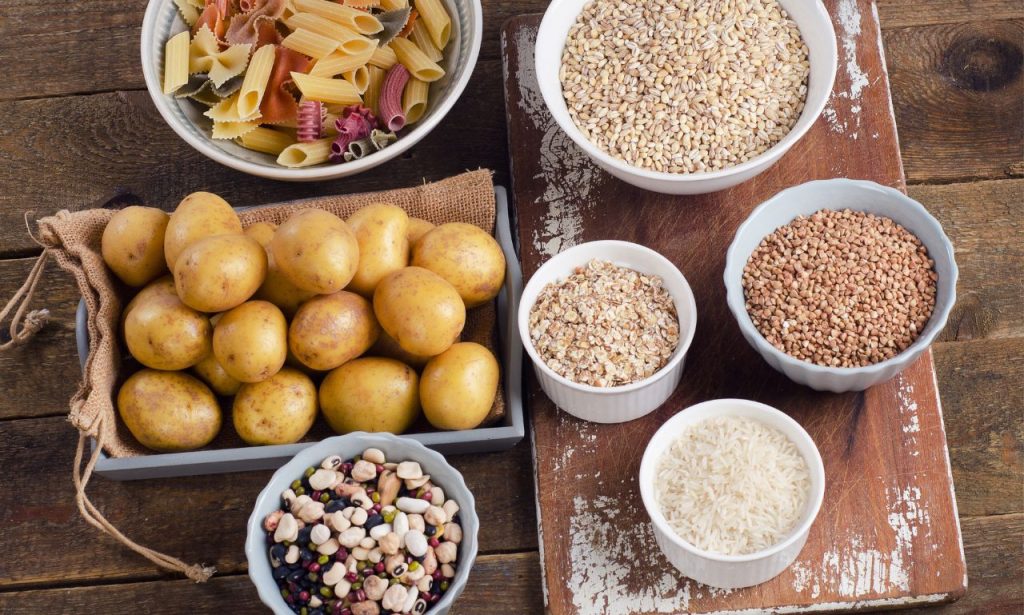
Net carbs confuse almost everyone at first. The formula sounds easy enough. Subtract fiber and some sugar alcohols from total carbs. Unfortunately, food companies have learned how to manipulate those numbers.
Fiber matters too. Natural fibers from vegetables behave differently from isolated, processed fibers added to packaged snacks.
This explains why two products with the same net carb count can affect ketosis very differently. Labels only tell part of the story. Ingredients and processing methods matter just as much.
Many keto veterans test foods cautiously rather than immediately trusting flashy packaging. That mindset saves a lot of frustration later.
Symptoms That Hidden Carbs Are Ruining Your Keto Progress
Physical Signs You May Be Eating Too Many Hidden Carbs
The body usually sends warning signs when hidden carbs start interfering with ketosis. Cravings often return first. Suddenly, sugar sounds tempting again, even after weeks of feeling in control.
Energy crashes are another clue. Someone may feel sharp and focused in the morning but sluggish in the afternoon. Hidden blood sugar spikes often create that roller-coaster feeling.
Bloating, headaches, and increased hunger can also appear quickly. Some people notice water retention almost overnight because glycogen stores pull extra water back into the body.
Then comes the most frustrating symptom of all: stalled weight loss.
Many people blame themselves during this stage. They think they lack discipline when the real issue may simply be unnoticed carbs hiding inside everyday foods.
Why Weight Loss Plateaus Happen on Keto Diets
Weight-loss plateaus happen for several reasons, and hidden carbs are only part of the picture. Stress, poor sleep, hormonal changes, and calorie creep all matter too.
Still, hidden carbs often make plateaus worse.
A few extra grams from sauces, keto desserts, flavored drinks, or packaged snacks may keep insulin elevated enough to slow fat burning. Since the carbs arrive gradually, the problem becomes hard to spot.
Tracking meals for a few days usually reveals the truth. Many people discover they are eating far more carbs than expected.
Smart Strategies to Avoid Hidden Carbs and Stay in Ketosis
The Best Keto Foods to Focus on for Long-Term Success
The simplest keto foods are usually the most effective. Eggs, meat, fish, olive oil, avocado, butter, leafy greens, cauliflower, and zucchini naturally contain very few hidden carbs.
These foods also help with satiety. Processed keto snacks may trigger overeating, but whole foods keep hunger under control much longer.
Meal prep can make a huge difference, too. Preparing meals ahead of time reduces the temptation to rely on convenience foods filled with questionable ingredients.
Long-term keto success rarely comes from chasing every trendy product on social media. Consistency with real food matters far more.
And honestly, your wallet will probably thank you too.
Expert Tips for Dining Out, Snacking, and Grocery Shopping on Keto
Restaurants can feel like hidden carb minefields. Sauces, marinades, and dressings often contain sugar even when meals appear healthy. Asking for sauces on the side helps more than most people realize.
Burger places create another common issue. Lettuce wraps may still include sugary ketchup or specialty sauces unless you request changes.
Grocery shopping becomes easier once you stick mostly to fresh foods around the perimeter of the store. The middle aisles tend to contain the highly processed products where hidden carbs thrive.
Keto should feel sustainable, not exhausting. Once hidden carbs stop sneaking into meals, staying in ketosis becomes much more manageable.
Conclusion
Hidden carbs that ruin keto diets are everywhere. They hide in sauces, processed snacks, flavored dairy products, and even foods marketed as keto-friendly.
The good news is that this problem becomes easier once you know what to watch for. Reading ingredient labels, focusing on whole foods, and limiting processed keto products can make a massive difference.
Keto does not have to feel confusing forever. A few smarter choices each day often lead to better energy, fewer cravings, and more consistent progress.
Also Read: Can You Reduce Sugar Without Ruining Cake Texture?
FAQs
Yes. Many processed keto snacks contain ingredients that may raise blood sugar and interrupt ketosis.
Hidden carbs, stress, poor sleep, overeating, and processed foods can all contribute to keto plateaus.
Not always. Some sugar-free products contain maltitol or starch-based fillers that affect blood sugar.
Whole foods like eggs, meat, fish, avocado, leafy greens, and healthy fats are usually the safest options.
