

Bread baking can feel magical one day and wildly frustrating the next. You follow the same recipe, use the same flour, and still end up with completely different results. Sound familiar? Humidity is usually the hidden reason.
Most home bakers focus on ingredients while ignoring the air around them. Meanwhile, professional bakers pay attention to the weather almost daily. A humid kitchen changes dough behavior fast. Dry air does the opposite. Even small shifts in moisture levels can affect texture, rise, fermentation, and crust.
Once you understand how humidity affects bread baking, things start making sense. Better yet, your bread improves dramatically.
How High Humidity Changes the Bread Baking Process
Humid weather adds extra moisture to the baking environment before you even start mixing ingredients. Flour naturally absorbs moisture from the air, which changes how dough feels and behaves.
Many bakers notice the difference immediately during the summer months. Suddenly, dough becomes harder to control, proofing speeds up, and shaping feels messy.
Why Dough Becomes Sticky, Dense, or Hard to Handle
Sticky dough is one of the biggest complaints during humid weather. Flour already contains additional moisture from the surrounding air, so the dough becomes wetter than expected.
Many people react by adding extra flour too quickly. Unfortunately, this often creates dense bread later. The dough feels easier to handle temporarily, but the final loaf loses softness and structure.
Professional bakers usually make small hydration adjustments rather than dramatic changes. Sometimes, reducing water by just a few tablespoons fixes the entire problem.
Humidity also weakens dough structure. Gluten struggles to tighten properly when excess moisture interferes with elasticity. As a result, the dough spreads outward instead of holding its shape.
Patience matters more in humid weather. Letting dough rest longer often improves texture naturally without adding unnecessary flour.
How Humid Air Affects Proofing, Fermentation, and Oven Spring
Yeast loves warm, moist environments. High humidity speeds fermentation faster than many home bakers realize. Dough rises quickly, sometimes too quickly.
Over-proofed dough becomes fragile and unstable. Bread may collapse during baking or develop uneven air pockets inside. Some loaves look beautiful before going into the oven but sink halfway through baking. Oven spring changes, too. Extra moisture inside the dough can reduce upward expansion during the first baking stage. Instead of rising tall, bread spreads sideways.
Reducing proofing time helps control fermentation during humid conditions. Cooler rooms can also slow yeast activity enough to maintain better flavor and structure.
Watching the dough itself matters more than watching the clock.
The Effects of Low Humidity on Homemade Bread
Dry climates create completely different problems. Instead of sticky dough, bakers often struggle with dryness, cracking, and rapid moisture loss. Winter heating can make things even worse indoors. Dough dries out quickly if left uncovered, even for a brief time.
Why Dry Air Can Cause Crumbly Dough and Tough Crusts
Low humidity continuously pulls moisture from the dough. During mixing and kneading, the dough surface may dry before gluten develops properly. Cracks around the edges usually appear first. The texture feels stiff and crumbly instead of smooth and elastic.
Bread crust also changes dramatically in dry conditions. Moisture escapes too quickly during baking, leaving the outer layer hard before the loaf fully expands.
I once baked baguettes during an unusually dry week, and the crust sounded like stepping on autumn leaves. Crunchy? Absolutely. Pleasant to eat? Not exactly.
Many home bakers mistake a tough crust for artisan-quality. Good bread should still feel balanced and enjoyable to bite.
Adding slightly more water often solves the issue immediately in dry environments.
How Low Humidity Impacts Bread Texture, Rise, and Moisture Retention
Dry air slows fermentation because yeast performs best with balanced moisture levels. Dough may take much longer to rise than expected.
Texture also suffers when hydration drops too low. Bread develops a tighter crumb and loses softness faster after baking.
Homemade bread already stales more quickly than store-bought bread because it lacks preservatives. Dry climates accelerate the process even more.
Some commercial bakeries use humidity-controlled proofing rooms specifically to avoid these problems. Consistency becomes nearly impossible otherwise.
At home, covering dough properly makes a huge difference. Even a slightly damp kitchen towel can help retain enough moisture during proofing.
Small details matter in bread baking more than most people expect.
Practical Bread Baking Adjustments for Different Humidity Levels
Great bakers adjust constantly. They do not unquestioningly trust recipes because environmental conditions change every single day. Bread dough behaves differently depending on weather, flour storage, room temperature, and even season.
How to Adjust Water, Flour, Yeast, and Baking Time
Humid weather usually requires less water. Start with slightly reduced hydration, then add more only if needed. Dough should feel tacky but manageable.
Dry climates often need extra hydration because flour absorbs water aggressively. Adding small amounts gradually works best.
Yeast adjustments help, too. During humid weather, slightly reducing the yeast can slow fermentation enough to prevent over-proofing.
Baking times may also shift depending on humidity levels. Wetter dough sometimes needs additional oven time to develop proper internal structure.
Professional bakers rely heavily on touch and visual cues. Dough texture tells you more than recipe instructions ever will. Next time your bread feels strange, ask yourself one simple question: What is the weather doing today?
Best Techniques for Baking Bread Successfully in Humid Weather
Cold fermentation works beautifully in humid conditions. Refrigerating dough overnight slows yeast activity while improving flavor development.
Bread flour also helps because higher protein strengthens the gluten structure. Dough holds shape better despite excess moisture. Instead of covering counters with flour, lightly oil your hands and tools. Too much flour creates heavy bread later.
Shorter proofing times often produce better results during humid weather as well. Dough should feel airy and slightly springy, not overly inflated.
A bench scraper becomes incredibly useful, too. Many professional bakers treat it like an extension of their hand when handling sticky dough.
Most importantly, stay calm. Sticky dough does not automatically mean failed bread.
Advanced Bread Baking Tips Most Home Bakers Overlook
Many bakers obsess over ingredients while ignoring oven conditions and ingredient storage. Ironically, those overlooked factors often separate average bread from exceptional bread.
Small environmental details matter more than fancy equipment.
How Steam, Oven Humidity, and Crust Development Work Together
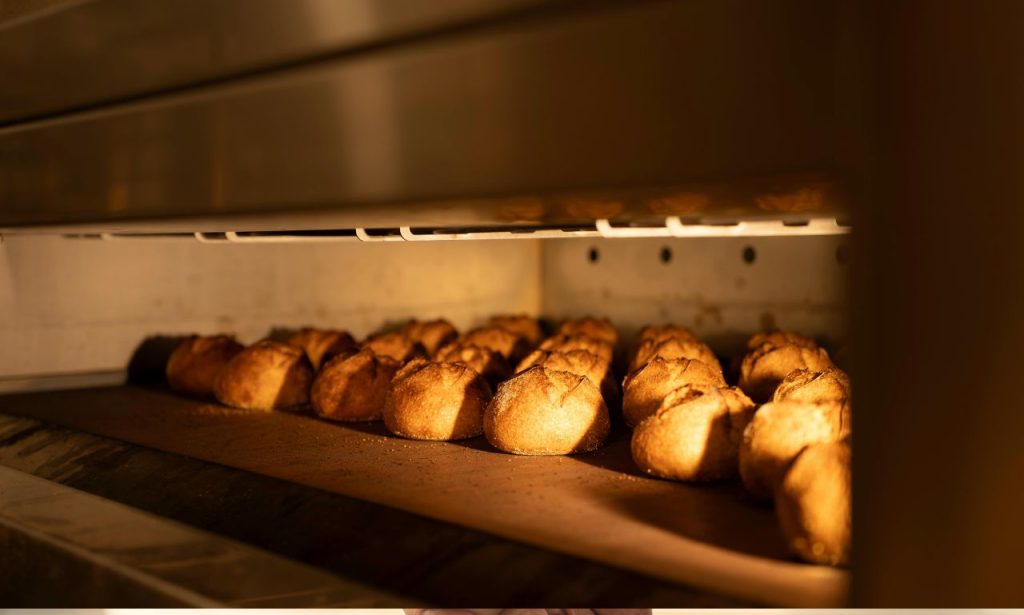
Steam plays a major role during the first stage of baking. Moisture keeps the dough surface flexible, allowing bread to expand fully before the crust hardens.
Professional ovens inject steam automatically. Home bakers usually recreate this effect using Dutch ovens, ice cubes, or water trays.
Without enough steam, the crust develops too quickly. Bread cannot expand properly, resulting in smaller loaves and dull crusts.
Dutch ovens became popular for good reason. They trap natural steam from the dough itself, creating a bakery-style crust at home.
One of the best sourdough loaves I ever tasted came from a tiny apartment kitchen, made in a basic cast-iron pot—no expensive equipment is involved.
Technique beats gadgets almost every time.
Best Ways to Store Flour and Bread in Humid Climates
Humidity affects ingredients long after baking ends. Flour readily absorbs moisture from the air, which can lead to clumping or spoilage.
Airtight containers help maintain flour quality and consistency. Many experienced bakers store flour away from sunlight and temperature changes.
Paper bags preserve crust texture better than plastic. Meanwhile, plastic keeps bread softer longer, but softens the crust.
Freezing sliced bread remains one of the smartest storage methods. Toasted frozen bread often tastes fresher than bread sitting on the counter for days.
Conclusion
Understanding how humidity affects bread baking changes everything in the kitchen. Sticky dough, dense crumb, dry texture, or weak rise often come from environmental moisture rather than bad recipes.
Experienced bakers adapt constantly. They pay attention to dough texture, room conditions, and weather patterns rather than treating recipes like strict scientific formulas.
Humidity is not the enemy. It is simply another baking variable you need to understand.
Once you start adjusting for moisture levels, bread baking becomes far less frustrating and far more rewarding. Your loaves rise better, taste better, and feel more consistent regardless of season.
Also Read: Why do Homemade Cookies Turn Hard the Next Day?
FAQs
Yes. High humidity adds extra moisture to flour and dough, making it wetter and stickier.
Only small amounts if necessary. Too much flour can create dense, dry bread.
Dry air pulls moisture from bread more quickly, causing faster staling and a tougher texture.
Humidity can speed fermentation, but too much may lead to over-proofed dough.
