

Busy mornings push many people toward quick breakfast options, and overnight oats sit near the top of that list. They are simple, filling, and surprisingly flexible. Yet one question keeps popping up on cooking forums, meal-prep Facebook groups, and Google searches: Can You Freeze Overnight Oats Successfully?
The short answer is yes. Freezing overnight oats works far better than many people expect. In fact, plenty of nutrition coaches and meal-prep enthusiasts rely on frozen oat jars to save time during hectic weeks. Still, a few details make the difference between creamy oats and a mushy disappointment.
Texture, ingredients, storage methods, and thawing techniques all matter. Some combinations freeze beautifully while others turn watery after a few days. If you have ever opened a jar of frozen oats and wondered why it tasted odd, you are not alone.
Let’s break everything down in practical terms so your next batch tastes fresh, not freezer-burned.
What Happens to Overnight Oats After Freezing and Thawing?
Freezing changes texture more than flavor. Once thawed, overnight oats often become softer and slightly creamier because ice crystals break down some of the ingredients during storage.
Yogurt-based oats may separate a little at first. A quick stir usually fixes that issue immediately. Chia seeds continue absorbing moisture during freezing, so the mixture sometimes thickens more than expected.
Fruit creates the biggest texture shift. Blueberries hold up fairly well, while strawberries and bananas can become mushy after thawing. That does not mean they taste bad—just that the texture changes.
A nutritionist interviewed in EatingWell once described frozen oats as similar to “soft refrigerator oatmeal pudding.” That description feels accurate. The taste remains enjoyable, but the consistency becomes smoother and less firm.
If you enjoy thick and creamy breakfasts, freezing may actually improve your oats.
How Long Can Frozen Overnight Oats Last in the Freezer?
Frozen overnight oats usually stay fresh for up to three months. Most meal-prep experts recommend eating them within one month for the best taste and texture.
Freezer burn becomes the main enemy over time. Air exposure causes dry patches and stale flavors. Properly sealed containers help prevent that problem.
Labeling jars with dates helps more than people realize. After several frozen batches, everything begins looking identical. One forgotten jar can sit buried behind frozen vegetables for months like a hidden science experiment.
For best results, keep the freezer temperature consistent. Frequent thawing and refreezing weaken the texture and increase the chance of watery oats later.
The Best Way to Freeze Overnight Oats for Freshness
A little preparation can make all the difference when freezing overnight oats. Tossing random ingredients into a jar may work in the short term, but careful assembly preserves flavor and texture much better over time.
One common mistake involves overfilling containers. Liquids expand during freezing, and packed jars sometimes crack. Nobody wants shattered glass beside frozen chicken nuggets.
Another mistake comes from adding toppings too early. Crunchy granola turns soggy quickly after thawing.
A smart setup keeps the oats creamy while protecting flavor.
Step-by-Step Guide to Freezing Overnight Oats Properly
Start with sturdy rolled oats rather than instant oats. Instant varieties soften too much during thawing and can resemble baby food after a few days.
Mix oats with milk, yogurt, or plant-based alternatives in freezer-safe jars. Leave about one inch of space at the top because ingredients expand slightly while freezing.
After combining the base ingredients, add freezer-friendly fruits like blueberries, raspberries, or diced apples. Stir thoroughly so the moisture spreads evenly.
Seal containers tightly before placing them in the freezer. Mason jars work well, though BPA-free plastic containers also perform well for busy households.
Many fitness trainers recommend freezing individual portions instead of large batches. Smaller containers thaw faster and reduce waste.
The Best Containers and Storage Methods for Freezer Meal Prep
Wide-mouth mason jars remain the favorite option for many home cooks. They are reusable, sturdy, and easy to stack. Still, not every glass jar is safe to freeze.
Freezer-safe plastic containers remove the risk of cracking. Silicone meal-prep cups also work surprisingly well if freezer space feels tight.
Avoid thin disposable containers, as they trap odors and increase the risk of freezer burn.
Professional meal-prep chefs often wrap lids with a thin layer of plastic wrap before sealing. That extra barrier helps keep moisture inside.
A small trick borrowed from restaurant kitchens also helps: cool freshly prepared oats in the refrigerator first before freezing. Rapid temperature shifts sometimes affect consistency.
Ingredients That Freeze Well — and Those That Don’t
Not every ingredient behaves nicely after freezing. Some remain creamy and delicious, while others lose texture quickly.
Understanding which foods freeze successfully saves frustration later.
Which Overnight Oat Ingredients Maintain the Best Texture After Freezing?
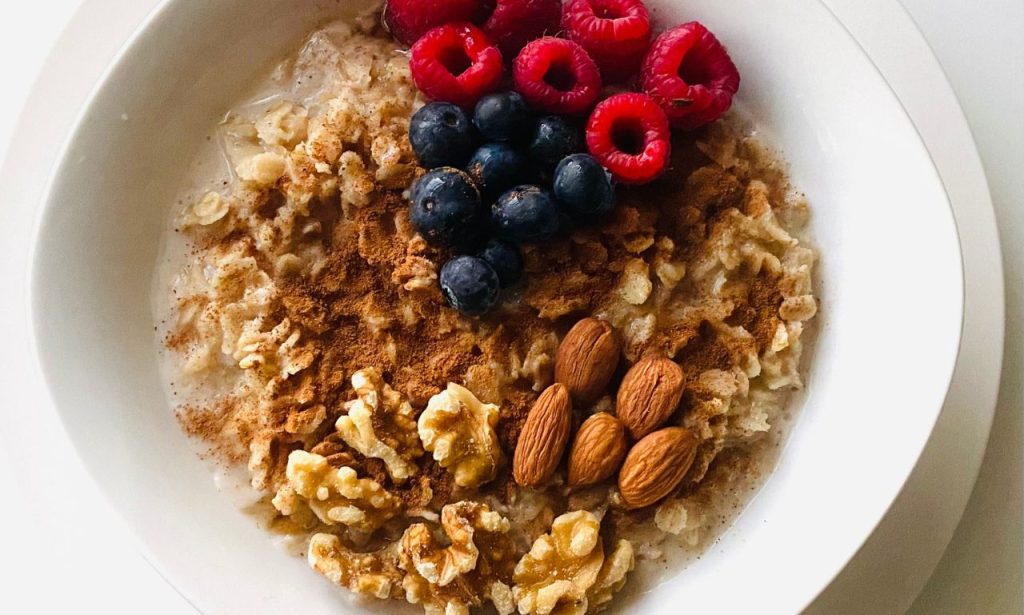
Rolled oats perform best because they retain their shape without becoming gluey. Greek yogurt also freezes surprisingly well due to its thick texture.
Chia seeds help stabilize the mixture by absorbing excess moisture. Nut butters maintain their flavor well and often develop a richer consistency after thawing.
Blueberries, apples, cocoa powder, cinnamon, flaxseeds, and protein powder usually survive freezing without major issues.
Plant-based milk alternatives, such as oat and almond milk, also hold up fairly well.
A meal-prep blogger from Toronto once shared that peanut butter overnight oats tasted “even better frozen because the flavors blended longer.” Many oat lovers would probably agree.
Toppings and Mix-Ins You Should Add After Thawing
Crunchy toppings deserve separate storage. Granola loses its crispness quickly in frozen oats.
Fresh banana slices also become overly soft after thawing. Coconut flakes may turn chewy instead of crunchy.
Chocolate chips generally survive freezing, though they sometimes lose their snap. Fresh nuts remain better when added just before serving.
Honey and maple syrup can also taste fresher if stirred in after thawing.
Think of frozen overnight oats as a prepared base rather than a fully finished breakfast. Adding fresh toppings later creates a better contrast in texture.
How to Thaw and Serve Frozen Overnight Oats
Freezing is only half the process. Proper thawing matters just as much.
Rushing the process can leave oats watery or unevenly chilled.
Safe and Easy Ways to Defrost Overnight Oats
The refrigerator method works best. Move a frozen jar from the freezer to the fridge the night before eating. By morning, the oats should be soft and creamy, ready to enjoy.
Some people leave oats on the counter for a short time, though food safety experts recommend limiting room-temperature thawing.
Microwaving also works in a pinch. Use short intervals and stir frequently to avoid overheating in certain areas.
A few runners and gym-goers actually enjoy partially thawed frozen oats, almost like an ice cream breakfast. During summer, that can feel surprisingly refreshing.
How to Fix Texture Changes After Freezing Frozen Oats
Watery oats happen occasionally. Fortunately, fixing them takes almost no effort.
Thoroughly stirring the mixture often solves separation issues immediately. If the oats feel too thick, add a splash of milk before serving.
When oats become overly soft, mixing in fresh rolled oats restores some texture.
Adding fresh fruit, nuts, or granola after thawing also improves the overall bite and creates contrast.
Sometimes frozen oats need a minute of patience. Once fully thawed and stirred, they usually regain a smooth and creamy consistency.
Conclusion
So, Can You Freeze Overnight Oats Successfully? Absolutely. Freezing overnight oats works remarkably well when you use the right ingredients and storage methods.
Rolled oats, yogurt, chia seeds, and berries usually freeze beautifully. Crunchy toppings and bananas perform better when added later. A little planning keeps texture creamy while preventing freezer burn.
Meal prepping breakfast does not need to feel complicated. One evening of preparation can create several quick breakfasts ready for busy mornings.
Have you ever tried freezing your overnight oats? Experiment with different combinations and see which texture you enjoy most. Sometimes the best recipe comes from a little trial and error in your own kitchen.
Also Read: How Long Can Cooked Rice Stay in Meal Prep Containers?
FAQs
Yes, all three freeze fairly well.
Greek yogurt maintains its texture better than thinner yogurt varieties. Both whole milk and plant-based milk alternatives work well in most recipes.
Chia seeds actually help stabilize overnight oats by absorbing liquid and reducing separation.
Some recipes even freeze better with chia seeds included because the final texture becomes thicker and creamier.
If you enjoy protein-packed breakfasts, yogurt and chia are among the best freezer-friendly options available
Frozen overnight oats stay nutritious after freezing. Fiber, protein, and minerals remain largely unchanged during storage.
Freezing mainly affects texture rather than nutritional value.
Safety depends on proper handling. Use clean containers, freeze oats promptly, and thaw them safely in the refrigerator whenever possible.
Expired dairy products or improperly stored oats can still spoil, even in the freezer. Trust your senses. If something smells strange or tastes off, skip it.
Most healthy meal-prep strategies rely on freezing because it reduces food waste while saving time during busy weeks.
.
