

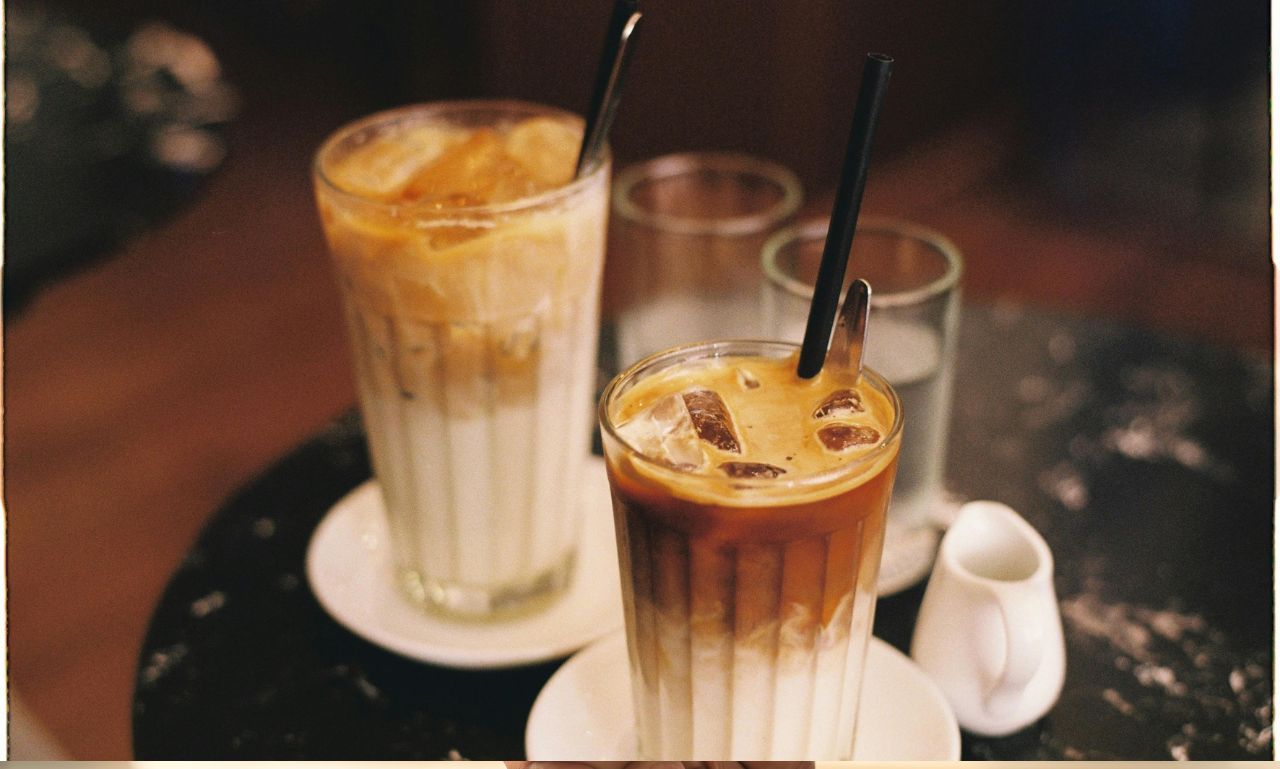
Homemade iced coffee often looks right but tastes unexpectedly harsh. The bitterness can feel stronger once the coffee cools, leaving behind a dry, burnt finish that many people mistake for “strong” coffee. In reality, bitterness usually points to an imbalance rather than to quality coffee.
Understanding why homemade iced coffee tastes bitter comes down to extraction, temperature, bean quality, and brewing method. Small adjustments can completely change the flavor.
The Most Common Brewing Mistakes
Grinding Coffee Too Fine
A fine grind exposes more surface area to water. That increases extraction speed and can quickly pull out unpleasant compounds.
This is common with blade grinders, which create uneven particles. Some grounds over-extract, while others remain under-extracted, creating muddy, bitter flavors.
For iced coffee, a medium or coarse grind usually works better, depending on the brewing style.
Brewing With Water That Is Too Hot
Water close to boiling can scorch delicate coffee compounds. The ideal brewing temperature is between 195°F and 205°F.
Many home brewers pour boiling water directly onto grounds without waiting. That extra heat often produces a burnt taste that becomes more aggressive after chilling.
Brewing for Too Long
Long extraction times increase bitterness. Drip coffee left sitting on a hot plate continues to cook, while French press coffee steeped too long develops harshness.
Cold brew can also become bitter if steeped for too long. While cold-water extraction is slower, a 24-hour brew with fine grounds can still taste woody and unpleasant.
Using Stale Coffee Beans
Freshness matters more than many people realize. Old beans lose sweetness first, leaving bitterness behind.
Coffee begins losing aromatic oils within weeks of roasting. Pre-ground supermarket coffee often produces flat, bitter iced coffee because much of its flavor complexity has already faded.
Why Cold Brew Usually Tastes Smoother
Cold brew became popular partly because it avoids many bitterness issues associated with hot brewing.
Instead of high heat, cold brew uses time. Grounds steep slowly in cold water, usually for 12 to 18 hours. This process extracts fewer acidic and bitter compounds while emphasizing chocolate, caramel, and nutty flavors.
That smoother profile explains why many people who dislike regular iced coffee prefer cold brew.
Still, cold brew is not automatically better. Poor ratios, stale beans, or over-steeping can still create bitterness. The difference is simply that cold extraction is more forgiving.
Flash Brew vs Cold Brew
Flash brew, sometimes called Japanese iced coffee, offers another option. Hot coffee brews directly over ice, cooling instantly.
Rapid chilling preserves aroma and brightness while reducing the stale flavors that develop when hot coffee cools slowly in the refrigerator.
Compared to cold brew, flash brew tastes lighter and more vibrant. Cold brew tastes heavier and smoother.
The Role of Coffee Beans in Bitter Iced Coffee
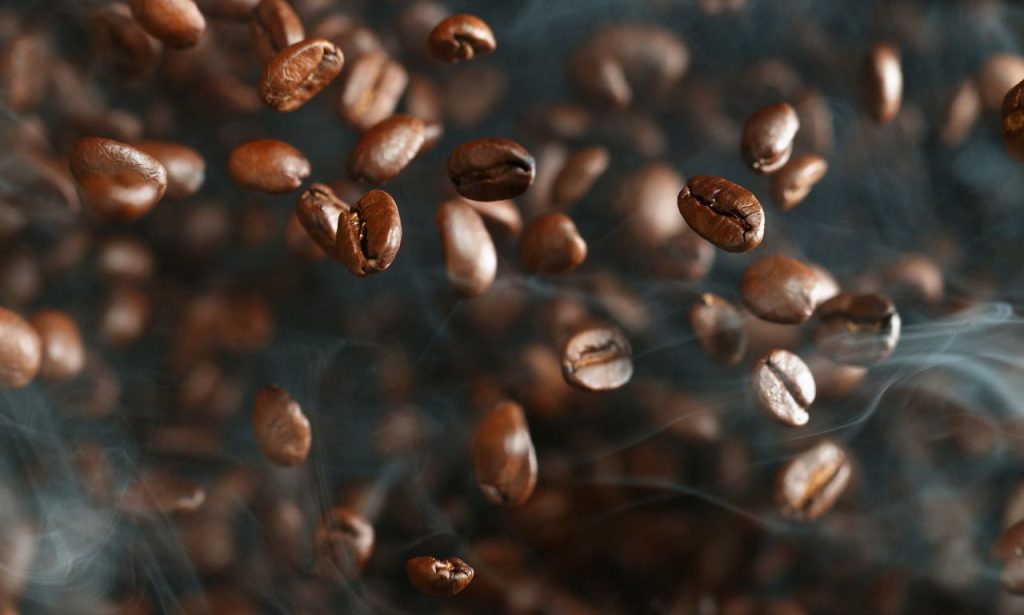
Dark roasts dominate many iced coffee blends because they cut through milk and sweeteners. However, dark roasting also destroys subtle sugars and increases smoky bitterness.
Medium roasts often create a better balance at home. They keep enough sweetness while still producing a strong flavor over ice.
Arabica vs Robusta
Cheap iced coffee blends sometimes contain large amounts of Robusta beans. Robusta has more caffeine but also more bitterness.
Arabica beans usually taste smoother, sweeter, and more nuanced. If homemade iced coffee tastes consistently harsh, switching to quality Arabica beans can make a noticeable difference.
Fresh Grinding Changes Everything
Grinding beans immediately before brewing dramatically improves sweetness and aroma.
Pre-ground coffee oxidizes quickly. Once exposed to air, delicate flavor compounds fade, and bitterness becomes more dominant.
Even an affordable burr grinder can improve homemade iced coffee more than expensive brewing equipment.
How to Fix Bitter Homemade Iced Coffee
The good news is that bitterness is usually easy to correct.
Start with cleaner brewing ratios. Many people use too much coffee while trying to create “strong” iced coffee. A balanced ratio often produces fuller flavor with less bitterness.
Filtered water also helps. Hard water or heavily chlorinated tap water can exaggerate unpleasant flavors.
If coffee still tastes bitter, try these adjustments:
- Use medium-ground coffee instead of fine grounds
- Lower brewing temperature slightly
- Shorten brew time
- Switch to medium roast beans
- Brew directly over ice instead of refrigerating hot coffee
- Clean coffee equipment regularly
Coffee oils become rancid surprisingly fast. Even quality beans taste bitter in dirty equipment.
Can Salt Reduce Bitterness?
A tiny pinch of salt can soften bitterness because sodium blocks certain bitter taste receptors.
This trick works best for coffee that is only slightly over-extracted. It cannot fully fix badly brewed coffee, but it can improve balance in a pinch.
Why Coffee Shops Often Taste Better
People often assume cafés use secret ingredients, but consistency is usually the real difference.
Professional coffee shops carefully control grind size, water temperature, brewing time, and coffee ratios. They also use filtered water and freshly ground beans throughout the day.
Home brewing often relies on guesswork. Small inconsistencies add up quickly in iced coffee because cold temperatures make flaws easier to notice.
Commercial machines also maintain stable extraction temperatures, something many inexpensive home brewers struggle to do.
Cold Brew vs Iced Coffee: Which Is Better?
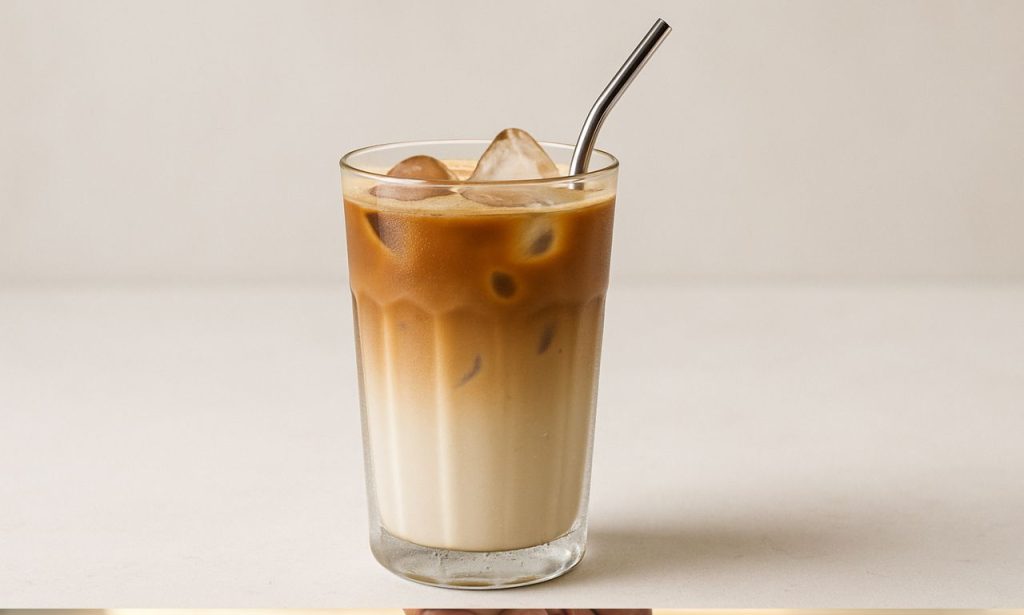
The answer depends on personal preference.
Cold brew suits people who prefer smooth, chocolate-like coffee with low acidity. Traditional iced coffee appeals to those who enjoy brighter, sharper flavors.
For beginners struggling with bitterness, cold brew is usually easier to master. It is more forgiving and naturally less harsh.
Flash brew sits somewhere in the middle. It preserves brightness without developing stale bitterness.
Experimenting with all three methods often reveals which flavor profile works best for different beans and personal taste.
Conclusion
Understanding why homemade iced coffee tastes bitter usually comes down to extraction and freshness. Water temperature, grind size, roast level, and brewing time all shape the final flavor.
The biggest improvements often come from small adjustments rather than expensive equipment. Fresher beans, cleaner brewing habits, and better extraction control can turn bitter homemade iced coffee into something smooth, balanced, and genuinely enjoyable.
Also Read: What Are the Best Gluten-Free Flours for Thickening Soups?
FAQs
Cooling suppresses sweetness and aroma while making bitter compounds more noticeable. Refrigerated coffee also oxidizes over time, creating stale flavors.
Ice itself does not create bitterness, but melting ice dilutes sweetness and body. That can make bitter flavors stand out more clearly.
Usually, yes. Cold-water extraction yields fewer acidic and bitter compounds than hot brewing methods.
