

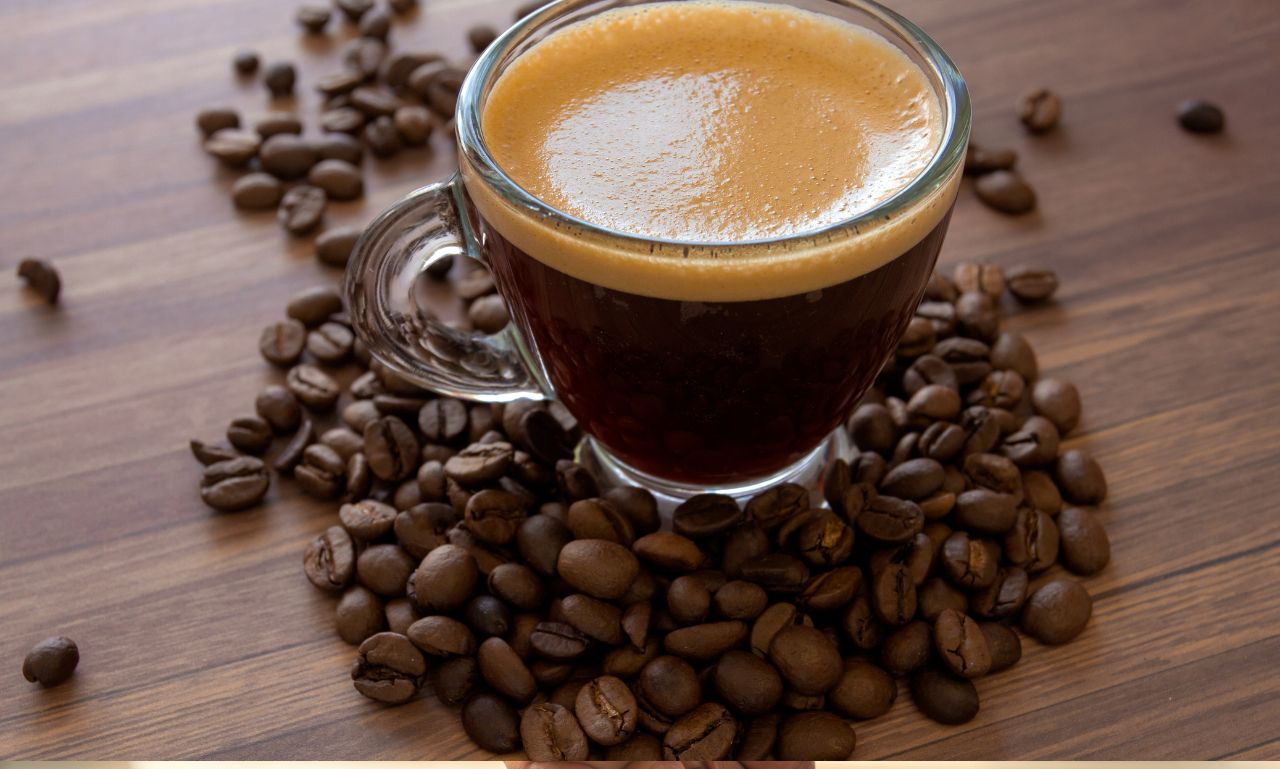
Cold foam changed iced coffee forever. A few years ago, most homemade iced drinks tasted flat compared to those from cafés. Even better, homemade cold foam gives you more control over flavor, sweetness, calories, and ingredients. Want a dairy-free vanilla cold foam? Easy. Looking for a pumpkin cream version without the sugar overload? You can make that too.
Here is everything you need to know about making café-style cold foam at home.
What Is Cold Foam and Why Has It Become So Popular?
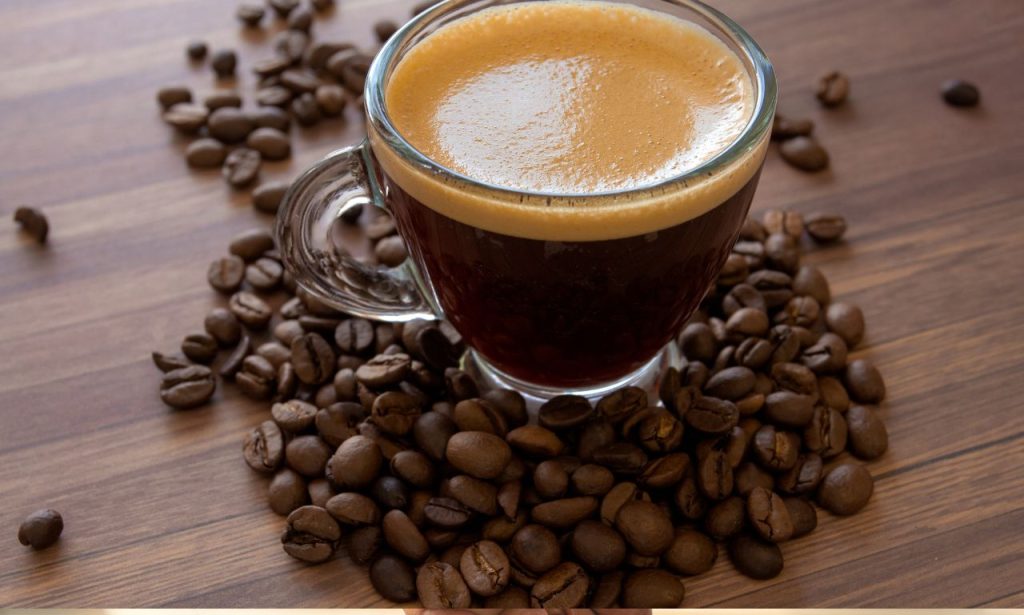
Cold foam exploded in popularity once coffee chains started adding it to cold brew drinks. People loved the creamy texture without the heaviness of whipped cream. Unlike hot milk foam, cold foam stays light and refreshing, which makes it perfect for iced beverages.
Part of its appeal comes from the experience. When cold foam slowly mixes into iced coffee, every sip tastes slightly different. That layered effect feels premium, even if you made the drink in pajamas five minutes before work.
What Makes Cold Foam Different From Whipped Cream and Frothed Milk?
Cold foam sits somewhere between steamed milk foam and whipped cream. It is airy, smooth, and pourable instead of dense or stiff. Whipped cream uses heavy cream and creates thick peaks, while cold foam relies on cold milk and air to build texture.
Steamed milk foam, commonly used for cappuccinos, is heated and has a richer mouthfeel. Cold foam stays chilled, keeping iced drinks refreshing rather than turning them lukewarm.
Sweet cream foam takes things one step further. Cafés often blend milk, cream, and flavored syrup to create a richer topping. Starbucks helped make this version famous with vanilla sweet cream cold foam, which quickly became one of its most-searched menu additions.
The reason cold foam works so well comes down to balance. It adds creaminess without overpowering the drink underneath. Instead of tasting like dessert, iced coffee still feels crisp and smooth.
Which Drinks Taste Best With Cold Foam?
Cold brew remains the classic pairing because its bold flavor perfectly balances the creamy topping. Iced coffee also benefits from cold foam, especially when the coffee tastes slightly bitter on its own.
Iced lattes work beautifully with flavored cold foam. Vanilla, caramel, or chocolate foam can turn a basic latte into something from a specialty café. Matcha lovers often add vanilla sweet cream foam to soften the earthy flavor.
Chai tea has become another popular option. The spices pair naturally with pumpkin cream or cinnamon cold foam. Some coffee shops now even top fruit-based iced teas with foam, especially strawberry or peach drinks during the summer months.
Salted caramel cold foam continues trending online because it combines sweet and salty flavors in a way people crave. If you scroll through TikTok coffee recipes, you will probably see it within minutes.
Essential Ingredients and Tools for Making Cold Foam at Home
Making great cold foam is less about fancy equipment and more about understanding how ingredients behave. Small adjustments can completely change the final texture.
What Type of Milk Creates the Best Cold Foam?
Milk with a higher protein content traps air more effectively, creating thicker, longer-lasting foam.
Skim milk actually foams the best because it contains high protein with low fat. The texture feels light and airy, though it lacks the richness many people want in café-style drinks.
Whole milk creates a creamier foam with slightly less volume. Many coffee lovers prefer it because it tastes smoother and fuller. Heavy cream blends produce extra-rich foam similar to Starbucks sweet cream cold foam.
Oat milk usually performs best because it has a creamy consistency that mimics dairy milk. Almond milk creates lighter foam but can separate faster. Coconut milk delivers rich flavor, although the foam tends to be thinner unless stabilized.
Barista-style plant milks often contain added proteins or stabilizers specifically designed for frothing. If regular oat milk struggles to foam, switching to a barista blend can make a huge difference.
Which Kitchen Tools Can You Use to Froth Cold Foam?
Handheld frothers remain the easiest and cheapest option. Most cost less than a coffee shop drink and create foam within thirty seconds.
French presses work surprisingly well, too. Pumping the plunger rapidly introduces air into the milk, creating thick foam without electricity. Many home coffee enthusiasts swear by this method because it creates a consistent texture.
Blenders and immersion blenders can handle larger batches, especially for flavored cold foam recipes. Electric milk frothers offer the greatest convenience because they automate the entire process.
Even a mason jar can work in a pinch. Shake cold milk vigorously for about a minute, then let it rest briefly before pouring. The foam will not look quite as polished, but it gets the job done.
Professional baristas often say technique matters more than equipment. A cheap frother used correctly can outperform expensive gadgets used poorly.
Step-by-Step Guide to Making Café-Style Cold Foam at Home
Once you understand the basics, making cold foam becomes incredibly simple. After a few tries, you will probably stop measuring ingredients altogether.
How to Make Basic Cold Foam in Under Five Minutes
Start with cold milk straight from the refrigerator. Temperature matters because warm milk struggles to hold air properly.
Pour about half a cup of milk into a tall container. Add one teaspoon of sweetener if desired. Maple syrup, vanilla syrup, or honey all work well.
Insert the frother slightly below the surface. Froth for about twenty to thirty seconds until the milk doubles in size and develops a silky texture. The foam should pour smoothly, not sit stiffly like whipped cream.
Avoid over-frothing. Too much air creates dry foam that collapses quickly once poured over coffee.
Another common mistake involves using warm tools. Chilled containers help maintain stability, which is why cafés often keep pitchers refrigerated before use.
Pour the foam slowly over iced coffee and enjoy the layered café effect immediately.
How to Make Popular Flavored Cold Foam Variations
Vanilla sweet cream cold foam usually combines milk, heavy cream, vanilla syrup, and a small amount of sugar. The heavy cream creates that signature velvety texture coffee chains are known for.
Caramel cold foam pairs best with caramel sauce rather than syrup because the flavor is deeper and richer. A tiny pinch of sea salt can dramatically transform the flavor.
Chocolate cream cold foam pairs perfectly with mocha iced coffee. Adding cocoa powder instead of chocolate syrup keeps the drink from becoming overly sweet.
Pumpkin cream cold foam became wildly popular for good reason. Pumpkin puree, cinnamon, nutmeg, vanilla, and cream create a flavor combination people associate with cozy fall mornings.
Expert Tips for Achieving Thick and Creamy Cold Foam Every Time
Even experienced home coffee makers occasionally end up with watery foam. Usually, the issue comes down to milk choice or technique rather than equipment.
Why Is Your Cold Foam Not Thick Enough?
Low-protein milk often creates weak foam. Almond milk, for example, may need stabilizers or barista blends to maintain proper structure.
Temperature also plays a huge role. Warm milk quickly loses stability, leading to foam collapse within minutes.
Over-frothing creates another problem. Too much air makes the foam dry rather than silky. The texture should look glossy and smooth rather than bubbly and stiff.
Watered-down foam often signals incorrect ratios. Adding a splash of heavy cream to regular milk usually fixes the issue instantly.
How Do Coffee Shops Make Their Cold Foam So Smooth?
Professional cafés focus heavily on consistency. Many use a combination of milk and cream to balance protein and fat levels perfectly.
Double frothing is another common trick. Baristas briefly froth the mixture, let it settle for a few seconds, then froth again for extra smoothness.
Chilled pitchers and cold ingredients help maintain structure longer. Some coffee shops even refrigerate flavor syrups before use.
Great cold foam should gently float on top of the drink rather than sink immediately. Pouring slowly over ice helps create that layered coffeehouse appearance people love posting online.
Honestly, half the café experience comes from visual appeal. A beautifully layered iced coffee tastes better psychologically.
Creative Ways to Use Cold Foam Beyond Coffee
Cold foam is no longer limited to coffee shops. Creative drink combinations continue showing up across social media and café menus every season.
Can You Add Cold Foam to Tea, Matcha, and Other Drinks?
Absolutely. Matcha lattes taste incredible with vanilla or coconut cold foam because the sweetness balances matcha’s earthy notes.
Iced chai becomes richer and creamier with cinnamon foam or pumpkin cream topping. During summer, many cafés add fruit-infused foam to iced teas for a refreshing twist.
Protein shakes benefit from cold foam, too. Vanilla protein cold foam over iced espresso creates a drink that feels indulgent while still supporting fitness goals.
Some smoothie shops now use flavored foam as a topping instead of whipped cream. Strawberry foam over mango smoothies has become especially trendy lately.
Cold foam even works on iced hot chocolate. Once you try it, regular whipped cream starts feeling heavy.
How Can You Make Healthier or Dairy-Free Cold Foam Options?
Health-conscious coffee drinkers have plenty of choices now. Oat milk and almond milk create lighter alternatives with fewer calories than heavy cream blends.
Keto-friendly foam often combines unsweetened almond milk with a little heavy cream and sugar-free syrup. The result stays creamy without spiking sugar levels.
High-protein versions are gaining popularity too. Mixing protein shakes with milk before frothing creates foam that tastes surprisingly close to café drinks.
Conclusion
Learning how to make café-style cold foam at home changes your coffee routine for the better. Suddenly, ordinary iced coffee feels more luxurious without the need for expensive equipment or daily café runs.
Once you understand milk texture, frothing techniques, and flavor balance, the possibilities become endless. Vanilla sweet cream, caramel foam, dairy-free matcha toppings, or protein-packed cold foam can all be made in your kitchen in minutes.
Coffee shops may have introduced the trend, but homemade versions often taste fresher and more customizable. After a little practice, you might honestly prefer your own recipes over store-bought drinks.
So grab your frother, experiment with flavors, and turn your next iced coffee into something café-worthy.
Also Read: https://eatopeia.com/2026/05/28/what-are-the-best-fruits-for-naturally-flavored-water/
FAQs
Yes. A mason jar, a blender, or a French press can make good cold foam at home.
Skim milk creates the most foam, while whole milk and cream blends create a richer texture.
Cold foam tastes best immediately, but it can retain its texture for about 15 to 30 minutes.
Yes. Barista-style oat milk usually creates the smoothest dairy-free cold foam.
