

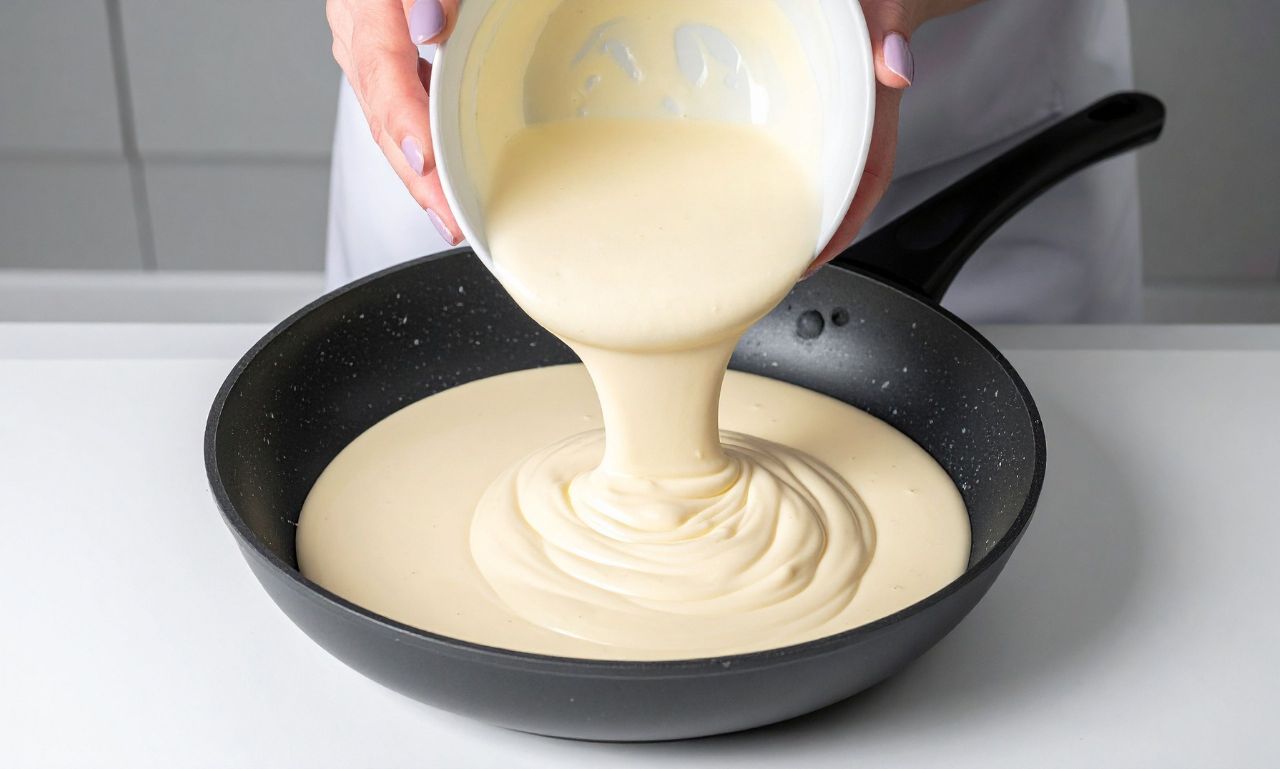
You wake up craving pancakes. The coffee is brewing, the skillet is heating, and everything feels right. Then the pancakes hit the pan looking promising, only to turn out flat, rubbery, and strangely chewy. Sound familiar? There’s a good chance the batter was overmixed.
Many home cooks assume smooth batter equals better pancakes. In reality, pancake batter behaves differently from cake batter or brownie mix. A few lumps are actually a good sign. Restaurants and diners that serve fluffy stacks every morning know this trick well, and experienced breakfast cooks rarely stir pancake batter for long.
Understanding what happens if you overmix pancake batter can completely change your breakfast game. Once you know the science behind it, fluffy pancakes become much easier to make consistently.
Why Pancake Batter Texture Matters
The Science Behind Light and Fluffy Pancakes
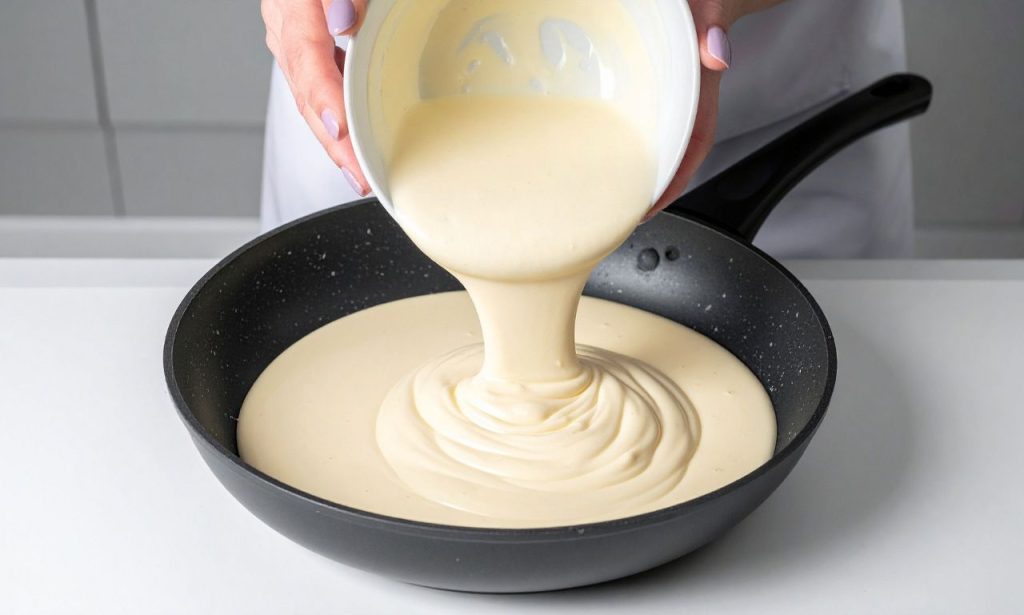
Great pancakes rely on balance. Flour gives structure, eggs add richness, milk creates moisture, and baking powder introduces air bubbles that help pancakes rise. Once those ingredients combine, a delicate chemical reaction starts happening.
Flour contains proteins called glutenin and gliadin. When liquid comes into contact with flour, those proteins begin forming gluten. Gluten is useful because it provides structure, but pancakes need only a small amount. Bread dough benefits from strong gluten development because a chewy texture is desirable there. Pancakes are different. They should feel soft, airy, and tender.
Eggs also play a major role. They bind ingredients together while adding flavor and softness. Meanwhile, baking powder releases carbon dioxide bubbles during cooking. Those bubbles expand in the heat, creating the fluffy texture people love.
Liquid ingredients matter more than many realize, too. Milk or buttermilk hydrates the flour, helping the batter spread properly on the pan. Buttermilk adds acidity, which reacts with leavening agents for extra lift. Diners famous for thick pancakes often use cultured buttermilk for this exact reason.
Texture can make or break pancakes. Even a flavorful batter feels disappointing when the final stack turns dense.
What Happens During the Mixing Process
Mixing does more than combine ingredients. Each stir activates gluten and alters the batter’s structure. The moment flour meets liquid, gluten development begins.
A few gentle folds create enough structure for pancakes to hold together while staying soft. Aggressive whisking, however, keeps stretching those gluten strands. Think of it like kneading bread dough. The more you work it, the stronger and more elastic it becomes.
This explains why pancake recipes often warn against overmixing. You are not simply blending ingredients. You are actively altering the batter’s chemistry.
Professional breakfast cooks usually mix pancake batter until the dry spots disappear. Then they stop immediately. Some lumps remain visible, and that’s completely normal.
What Happens If You Overmix Pancake Batter?
How Overmixing Develops Too Much Gluten
Here’s where things go sideways. Excessive mixing strengthens gluten strands to the point where pancakes lose their delicate texture.
Instead of fluffy pancakes with soft interiors, you end up with chewy rounds that feel almost rubbery. The batter becomes elastic and overly smooth. When poured onto the pan, it may spread unevenly or fail to bubble properly.
Overmixed batter also traps air differently. Baking powder works best when the batter stays relatively loose. Too much gluten creates resistance, making it harder for those tiny gas bubbles to expand during cooking.
The result? Pancakes that barely rise.
Some people describe overmixed pancakes as “tough.” Others compare them to undercooked bread. Either way, the texture feels heavy instead of light.
I once watched a short-order cook at a busy roadside diner mix pancake batter with only five or six strokes. A customer asked why he stopped before the batter looked smooth. His answer was simple: “Smooth batter makes sad pancakes.” Hard to argue with that logic after tasting the result.
Common Signs Your Pancake Batter Has Been Overmixed
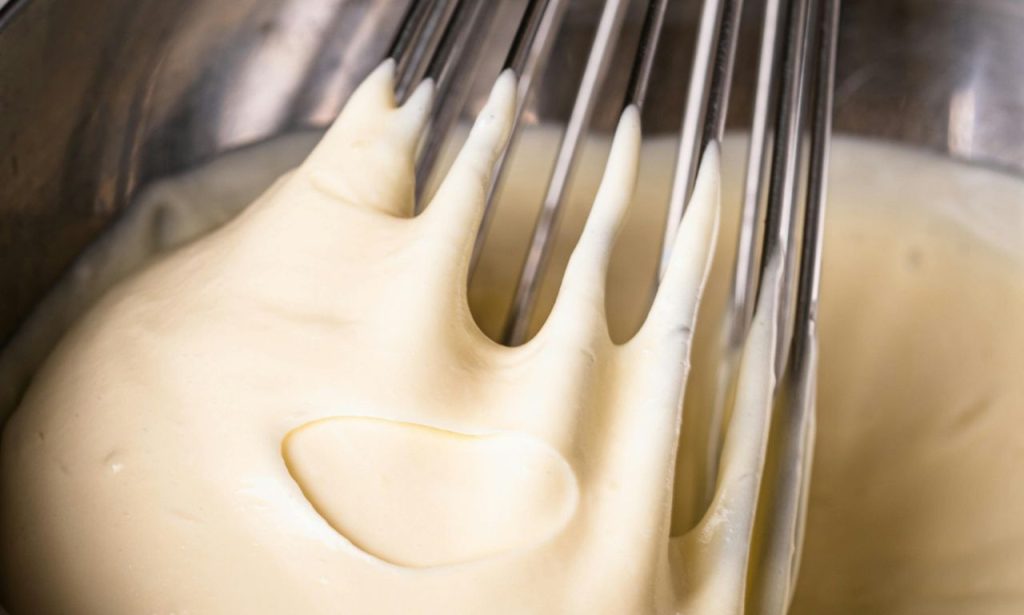
Several clues appear before the pancakes even hit the skillet. A batterA glossy, perfectly smooth batter usually signals trouble. Healthy pancake batter should still contain tiny lumps.
Another warning sign is thickness combined with elasticity. If the batter stretches slightly when lifted with a spoon, gluten has likely overdeveloped.
Cooking reveals even more problems. Overmixed pancakes often cook unevenly and struggle to rise properly. They may look flat around the edges while feeling dense in the center.
Texture gives the biggest clue of all. Instead of soft and fluffy bites, the pancakes feel chewy and slightly rubbery. Some even squeak faintly when cut with a fork, which is never ideal at breakfast.
Color can change, too. Tough batter sometimes browns too quickly because the dense structure retains heat differently.
How to Properly Mix Pancake Batter for Perfect Results
Should Pancake Batter Be Lumpy?
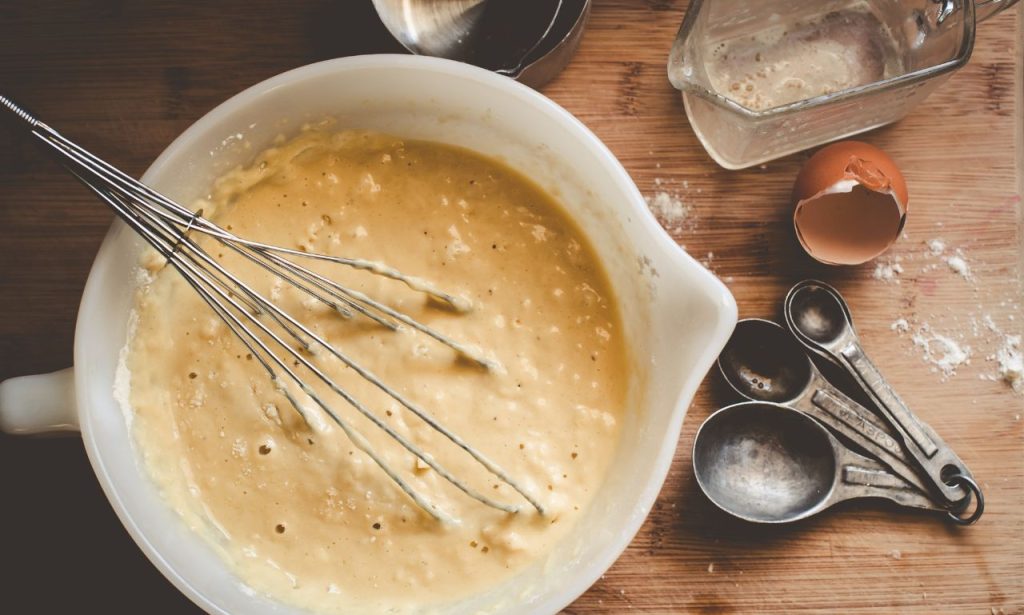
Absolutely. Small lumps are actually your friend.
This surprises many people because smooth batters are usually a sign of quality in baking. Pancakes are the exception. Tiny lumps disappear naturally during cooking as moisture evenly distributes throughout the batter.
Trying to remove every lump often leads directly to overmixing. A few dry streaks are fine as long as the flour mostly incorporates.
Think about muffin batter for a moment. Bakers use the same approach there because tenderness matters. Pancakes follow a similar principle.
If you watch experienced cooks make pancakes, you’ll notice they stop mixing sooner than you might expect. The batter rarely looks perfect in the bowl, but the pancakes turn out far better on the plate.
Next time you cook breakfast, resist the urge to keep stirring. Your pancakes will thank you.
Best Mixing Techniques for Fluffy Pancakes Every Time
Gentle handling changes everything. Start by whisking the dry ingredients separately before adding liquids. This distributes baking powder evenly without excessive stirring later.
Once the wet ingredients combine with the flour, switch techniques. Instead of aggressive whisking, use a spatula or wooden spoon to fold ingredients together slowly.
Circular folding motions work best because they reduce stress on the gluten structure. Stop as soon as the batter comes together.
Using the right bowl helps, too. Wide mixing bowls make folding easier and prevent accidentally overworking the batter.
Timing matters as well. Letting the batter sit untouched for several minutes before cooking significantly improves texture. Many breakfast restaurants quietly rely on this step.
One more tip worth remembering: avoid electric mixers. Pancake batter needs a light touch, not high-speed blending.
Other Pancake Batter Mistakes That Affect Texture
Can Letting Pancake Batter Rest Improve Pancakes?
Yes, and the improvement is noticeable.
Resting pancake batter for 5 to 10 minutes allows the flour to hydrate fully. During this time, gluten relaxes slightly, creating softer pancakes.
The resting period also helps trapped air bubbles stabilize. When the batter finally reaches the pan, those bubbles expand more effectively during cooking.
Professional kitchens often prepare pancake batter ahead of breakfast rushes. A rested batter tends to cook more evenly and develop better texture.
You don’t need to wait long either. Even a short pause while heating the skillet can make a difference.
Some cooks compare rested batter to marinated food. The ingredients work together better after a brief rest.
What Ingredients Can Make Pancakes Tough or Flat?
Overmixing is common, but several other mistakes can ruin the texture of pancakes, too.
Expired baking powder ranks near the top. Without active leavening agents, pancakes struggle to rise regardless of mixing technique. Many people forget that baking powder loses effectiveness over time.
Too much liquid creates another issue. The thin batter spreads too much on the skillet, resulting in flatter pancakes. On the flip side, overly thick batter cooks unevenly.
Eggs can cause trouble when beaten too aggressively before mixing. Overbeaten eggs introduce too much structure, making pancakes firmer than intended.
Incorrect flour measurement also affects texture. Scooping flour directly with a measuring cup packs excess flour into the batter. Experienced bakers usually spoon flour into cups instead.
Temperature matters more than expected, too. Cooking pancakes on a pan that’s too hot creates dark exteriors and undercooked centers.
Expert Tips for Better Homemade Pancakes
How to Fix Overmixed Pancake Batter
Sometimes the damage is already done. Fortunately, a few tricks may help salvage the batter.
Letting the overmixed batter rest for 15 to 30 minutes can help relax some gluten tension. The pancakes may still turn out denser than ideal, but the texture often improves slightly.
Adding a small splash of milk or buttermilk can loosen overly elastic batter. This helps create a softer consistency and encourages better spreading on the pan.
Another option is to fold in a tiny amount of fresh batter without overmixing. Some home cooks use this method successfully when the original mixture becomes too stiff.
Still, there are limits. Severely overmixed batter cannot fully return to fluffy perfection. Starting fresh may save time and frustration if the texture already resembles glue.
Here’s the upside: once you make this mistake a couple of times, you rarely repeat it. Pancake batter teaches quickly.
Conclusion
Understanding what happens if you overmix pancake batter can completely change your homemade breakfasts. The biggest lesson is surprisingly simple: less mixing creates better pancakes.
Gentle folding preserves tenderness, while overworking the batter develops too much gluten. That extra gluten transforms fluffy pancakes into chewy disappointments.
Perfect pancakes do not require fancy ingredients or restaurant equipment. Small habits make the difference. Leave a few lumps, avoid over-stirring, and let the batter rest briefly before cooking.
Next weekend, try mixing your batter a little less than usual. You may never go back to perfectly smooth batter again.
Also Read: Why Vegan Baked Goods Dry Out Quickly?
FAQs
Yes. Small lumps are normal and help prevent overdeveloped gluten.
Sometimes. Letting the batter rest and adding a little milk may slightly improve the texture.
Flat pancakes often result from overmixing, expired baking powder, or overly thin batter.
Folding gently with a spatula or a spoon works best for soft, fluffy pancakes.
