

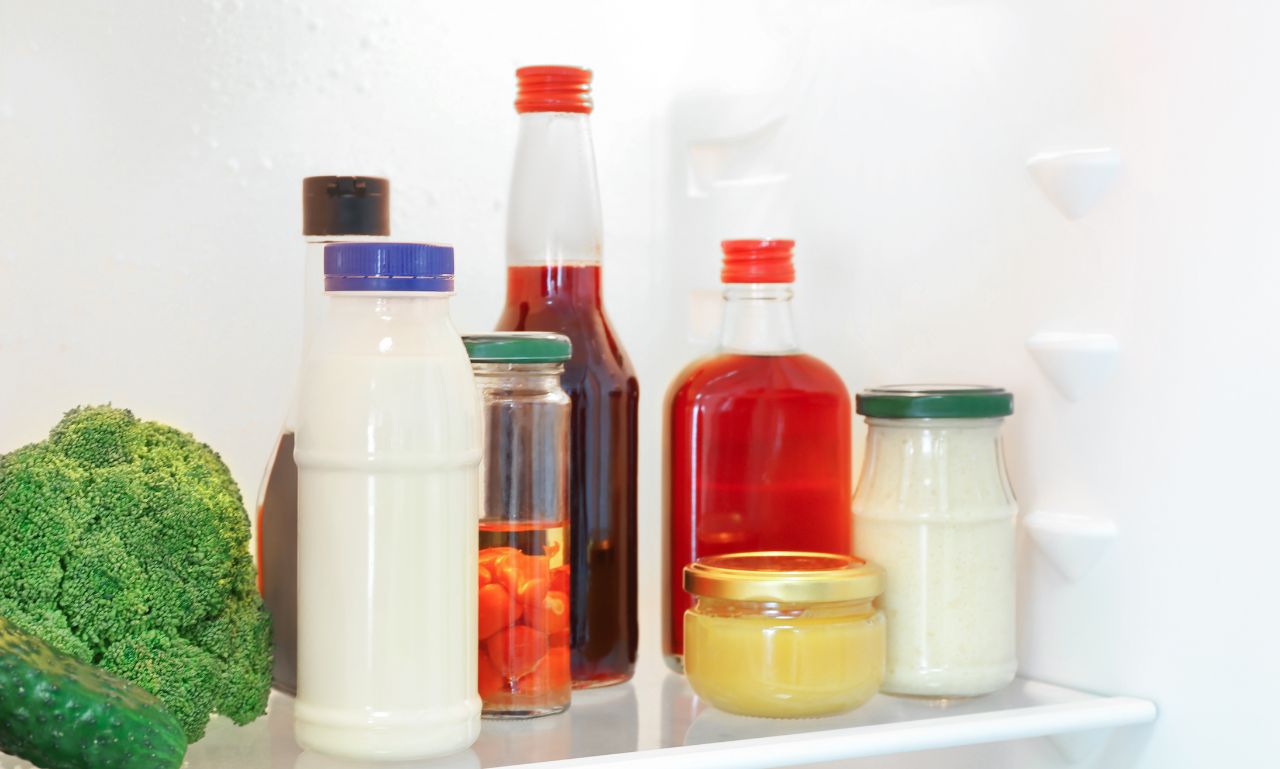
You open the fridge, grab last night’s creamy pasta sauce, and suddenly it looks completely different. There’s oil floating on top, watery liquid around the edges, and the smooth texture you worked hard to create has vanished overnight.
Honestly, it feels a little annoying. You spent time cooking from scratch, only for the sauce to betray you by morning.
The good news is that this happens to almost everyone who cooks at home. Even experienced chefs deal with broken sauces after refrigeration. Homemade sauces react differently from store-bought versions because they don’t contain industrial stabilizers or preservatives designed to hold everything together for weeks.
Once you understand the science behind it, the mystery disappears. Better yet, most sauces can be fixed with a few simple tricks.
So if you’ve been asking yourself, “Why Do Homemade Sauces Separate After Refrigeration?” you’re about to get the real answer — without the robotic kitchen jargon.
What Happens to Fat, Water, and Emulsifiers During Refrigeration?
Here’s the simple version: oil and water don’t naturally get along.
When you make a sauce, the heat and whisking force the ingredients to temporarily cooperate. Emulsifiers are the ingredients that help keep the peace. Egg yolks, mustard, cream, butter proteins, and starches all play that role.
The problem starts when refrigeration comes into play.
As sauces cool, fats begin to harden while water stays liquid. Those ingredients start drifting apart again, almost like tired party guests heading for different exits. That separation creates oily layers, watery puddles, or grainy textures.
Cream sauces struggle the most because dairy proteins are sensitive to temperature changes. Alfredo sauce is the classic culprit. It looks gorgeous fresh off the stove, but after a night in the fridge? Different story entirely.
Professional kitchens deal with this constantly. In fact, many restaurants prepare cream-based sauces fresh every day because reheated versions rarely taste the same.
Store-bought sauces behave differently because manufacturers add gums, stabilizers, and preservatives that home cooks usually avoid. Homemade sauces are more natural, but they’re also more fragile.
Kind of like sourdough bread compared to packaged supermarket bread. One tastes better. The other survives almost anything.
Why Some Sauces Stay Smooth While Others Break Apart
Not every sauce falls apart after refrigeration. Some hold up surprisingly well.
Tomato sauces usually stay stable because they contain less fat. Gravies thickened with flour often reheat well because the starch forms a structure that helps the ingredients stay together.
Cream-heavy sauces, on the other hand, tend to separate faster. Cheese sauces can become grainy. Butter sauces often turn greasy. Oil-based dressings split into layers almost immediately.
Cooking technique matters too.
A sauce whisked slowly over gentle heat develops a stronger emulsion than one rushed over high heat. Tiny fat droplets blend more evenly, reducing the likelihood of separation later.
Ingredient quality also changes the outcome. Freshly grated cheese melts more smoothly than packaged shredded cheese. Heavy cream with higher fat content tends to stay creamier after refrigeration.
One home cook shared a trick in a food magazine interview that stuck with me. She added a spoonful of Dijon mustard to the homemade mac and cheese sauce before refrigerating it. The sauce stayed smooth for days because mustard works as a natural emulsifier.
Funny how tiny kitchen habits sometimes make the biggest difference.
Common Causes of Sauce Separation After Refrigeration
Refrigeration gets blamed a lot, but the real issue often starts during cooking.
Tiny mistakes build up fast in sauce-making.
How Temperature Changes Affect Sauce Stability
Temperature is everything when it comes to sauces.
A sauce heated too aggressively can break before it even reaches the fridge. High heat stresses fats and proteins, weakening the emulsion from the start.
Then comes the cooling process.
Placing a steaming-hot sauce directly into the refrigerator causes rapid temperature shock. The outer layer cools quickly while the center stays warm. That uneven cooling causes ingredients to separate more easily.
Reheating creates another common problem.
Most people blast leftover sauce in the microwave until it’s bubbling like lava. Unfortunately, high heat forces fats to split from liquids almost instantly.
Restaurant chefs rarely do that. Instead, they warm sauces slowly over low heat while stirring constantly. Gentle reheating gives ingredients time to reconnect rather than further separating.
French chefs are especially obsessive about this. Hollandaise sauce, for example, can collapse in seconds if overheated.
Sauce-making really is part cooking, part patience.
Ingredient Mistakes That Cause Homemade Sauces to Split
Some ingredients practically invite separation.
Low-fat dairy products are one example. Reduced-fat milk contains more water and less stabilizing fat, making sauces weaker after refrigeration.
Too much oil creates trouble, too. Without enough emulsifier to hold everything together, oil naturally escapes over time.
Acidic ingredients can also create chaos. Lemon juice, vinegar, and tomatoes can sometimes tighten dairy proteins, leading to curdling or graininess.
Ever reheated creamy tomato pasta sauce and noticed little white lumps? That’s usually acid-fighting with dairy.
Even salt plays a role. Too much salt pulls moisture from proteins, increasing the chances of separation later.
Then there’s overcooking starches. Flour and cornstarch lose their thickening power if cooked too long, weakening the sauce structure.
Cooking sauces feels a bit like balancing a Jenga tower sometimes. One small mistake, and everything starts leaning to the side.
Which Types of Homemade Sauces Separate Most Often?
Some sauces are naturally dramatic. Others are surprisingly forgiving.
Knowing which ones struggle most helps you avoid disappointment later.
Why Dairy-Based Sauces Like Alfredo and Cheese Sauce Break
Dairy sauces are notorious for separating.
Alfredo sauce sits at the top of the troublemaker list because it contains large amounts of butter, cream, and cheese. Once refrigerated, butterfat solidifies separately from the liquid components.
When reheated too fast, the proteins tighten and squeeze out grease, leaving behind oily pools and grainy textures.
Cheese sauces behave similarly. Cheese proteins become unstable under temperature stress, especially after refrigeration.
You’ve probably seen this happen with leftover mac and cheese. Freshly made, it’s creamy perfection. The next day? Sometimes it resembles glue with oil slicks.
Interestingly, processed cheeses melt more smoothly because manufacturers add stabilizers, such as sodium citrate. Homemade sauces don’t get that advantage.
Freshly grated cheese usually performs better than pre-shredded versions, too. Packaged shredded cheese contains anti-caking powders that interfere with smooth melting.
Little details matter more than people realize.
Why Oil-Based Sauces, Dressings, and Gravies Separate in the Fridge
Oil-based sauces separate because oil and water naturally repel each other over time.
Homemade salad dressings are a perfect example. Olive oil hardens in cold temperatures, creating cloudy layers or thick clumps.
Thankfully, those sauces usually recover once they return to room temperature and get a good shake.
Gravy separates differently. Fat rises while heavier starches sink. Refrigerated gravy often develops a jelly-like texture because collagen solidifies when chilled.
Southern cooks have dealt with this forever. Whisk the gravy slowly over low heat, adding a splash of broth as needed, until smooth again.
Sometimes grandma’s kitchen wisdom beats fancy cooking tutorials.
How to Prevent Homemade Sauces from Separating
Fixing broken sauce is helpful. Preventing the problem entirely feels even better.
Thankfully, a few simple habits go a long way.
Best Cooking Techniques for Stable, Creamy Sauces
Slow and steady wins the race in sauce-making.
Adding fats gradually while whisking continuously creates smaller droplets that stay blended longer. Rushing usually creates weak emulsions that separate later.
Gentle heat matters too. Cream sauces should never boil aggressively. Low heat protects dairy proteins and keeps textures smooth.
Professional chefs often use double boilers for delicate sauces because indirect heat reduces stress on ingredients.
Cooling techniques matter just as much.
Allow sauces to cool slightly before refrigerating them. Tossing piping-hot sauce directly into the fridge causes unnecessary temperature shock.
Storage containers also make a difference. Shallow containers cool more evenly than deep bowls, helping sauces maintain stability.
Most importantly, don’t rush the process. Good sauces reward patience every single time.
The Role of Emulsifiers, Starches, and Proper Storage Methods
Natural emulsifiers are secret weapons in homemade cooking.
Mustard, egg yolks, honey, tomato paste, and garlic are all ingredients that help keep ingredients together longer. Even a small amount can dramatically improve texture.
Starches help too. Flour, cornstarch, and arrowroot trap moisture and stabilize sauces during refrigeration.
Proper storage matters more than many people think.
Airtight containers reduce moisture loss and prevent unwanted fridge odors from affecting flavor. Nobody wants Alfredo sauce tasting vaguely like onions from last Tuesday.
Cooling sauces fully before sealing containers also helps prevent excess condensation, which can make sauces watery later.
Whenever possible, avoid storing cream sauces for long periods. Fresh sauces almost always taste better anyway.
How to Fix a Separated Sauce After Refrigeration
Here’s the reassuring part: separated sauce rarely means ruined sauce.
Most of the time, it just needs a little attention.
Simple Ways to Re-Emulsify Broken Sauces
Start with gentle heat.
Pour the sauce into a pan and warm it slowly while whisking continuously. Slow reheating encourages ingredients to reconnect naturally.
Adding a splash of warm milk, cream, or broth often helps restore smoothness. Small amounts work best.
For stubborn sauces, a natural emulsifier can save the day. A teaspoon of mustard or an extra egg yolk sometimes works like magic.
Immersion blenders are another lifesaver. Restaurant kitchens use them constantly to rescue broken sauces during busy service hours.
Oil-based dressings usually need only a slight shake once they warm slightly.
Patience matters here. Cranking up the heat almost always makes things worse.
When Sauce Separation Is Normal — and When You Should Throw It Away
Not every separated sauce is spoiled.
In many cases, separation is completely normal for homemade recipes without preservatives.
If the sauce smells fresh, tastes fine, and blends back together after stirring, it’s usually safe to eat.
Still, some warning signs shouldn’t be ignored. Sour smells, bubbling, mold, or unusual discoloration often mean bacteria have taken over.
Cream sauces generally stay safe for about three to four days in the fridge. Tomato sauces usually last longer.
Trust your senses. People were judging food safety long before expiration labels existed.
When something smells wrong, it probably is.
Conclusion
Homemade sauces separate after refrigeration because fats, liquids, and proteins react differently to cold temperatures. Some sauces stay stable while others split apart almost overnight.
The good news is that most of these problems are preventable. Gentle cooking, proper storage, and slow reheating can make a huge difference in texture and flavor.
Even better, many separated sauces can be rescued in minutes with simple kitchen techniques.
So the next time your sauce looks broken in the fridge, don’t panic or toss it immediately. Chances are, it’s not ruined. It’s just asking for a little patience and a good whisk.
Also Read: How Can You Fix Overly Salty Soup Without Potatoes?
FAQs
Yes. Gentle reheating and whisking usually restore the sauce’s smooth texture.
Butterfat separates from the cream when chilled, especially if the cream is reheated too quickly.
Usually, yes, unless it smells sour, shows signs of mold, or has unusual discoloration.
Professional kitchens use low heat, fresh ingredients, and careful emulsifying techniques.
