


A late night can change the food landscape by the following afternoon. Meals that usually seem satisfying may lose some of their appeal, while sweet, salty, fatty, or highly processed foods suddenly become difficult to ignore. Certain foods become more appealing when you are tired because fatigue can influence appetite regulation, reward processing, decision-making, stress responses, and the amount of effort people are willing to put into finding or preparing food.
Tiredness Changes More Than Energy Levels

Fatigue is often treated as a simple shortage of physical energy, but its effects extend into attention, motivation, mood, and decision-making.
Food choices depend on all of these systems.
A rested person deciding what to eat may consider hunger, taste, convenience, nutritional value, cost, and what they have already eaten that day. When tired, that same decision can become more heavily influenced by immediate reward and convenience.
The result is not necessarily overwhelming hunger.
Someone may consume roughly the same amount at a meal yet feel more interested in dessert, snacks, takeout, or foods with intense flavors.
Understanding this distinction matters because fatigue can alter what feels appealing as well as how much a person wants to eat.
Sleep Helps Regulate Appetite Signals
Appetite is coordinated through a complex interaction between the brain, digestive system, hormones, energy stores, and environmental cues.
Sleep participates in this regulation.
Research on sleep restriction has found changes in several biological signals related to hunger and metabolism, although the exact response varies between studies and individuals.
Ghrelin and leptin are frequently discussed in this context. Ghrelin is involved in hunger signaling, while leptin helps communicate information about stored energy and longer-term energy balance.
The simple claim that insufficient sleep always raises one hormone and lowers the other is too neat for the broader evidence. Human appetite regulation involves many overlapping systems.
What is clearer is that inadequate sleep can disturb normal appetite control and is associated with changes in food intake and food preference in many experimental settings.
The Brain’s Reward System Responds Differently
Food is not chosen solely to correct an energy deficit.
Eating is also rewarding.
The sight, smell, expectation, and consumption of enjoyable foods activate brain systems involved in motivation and reward.
Sleep loss can alter how strongly people respond to food cues.
After insufficient sleep, highly palatable foods may become particularly attention-grabbing. Images or smells that might be easy to ignore after adequate rest can feel more compelling.
This helps explain why certain foods become more appealing when you are tired even when ordinary hunger does not seem dramatically stronger.
The brain may assign greater motivational value to a rewarding food.
A bowl of vegetables and a frosted pastry both provide energy, but they do not necessarily produce identical expectations of immediate pleasure. Fatigue can shift the balance toward the option promising a faster or stronger reward.
Sweet Foods Offer Rapid Sensory Reward
Sugary foods are common fatigue cravings.
Part of their attraction is sensory. Sweetness provides a strong, immediate taste experience and is widely associated with rewarding foods.
Carbohydrates also provide glucose, an important fuel used throughout the body.
This does not mean the brain literally detects tiredness and commands a person to eat candy because it has “run out of sugar.” Human energy regulation is much more sophisticated.
Rather, fatigue can make easily accessible, highly rewarding sources of energy seem particularly attractive.
A sweet drink, pastry, chocolate bar, or dessert requires little effort to consume and delivers a predictable sensory experience.
That combination of convenience and reward becomes especially relevant when someone is mentally depleted and less interested in waiting for a more substantial meal.
Fatty Foods Can Become More Attractive Too
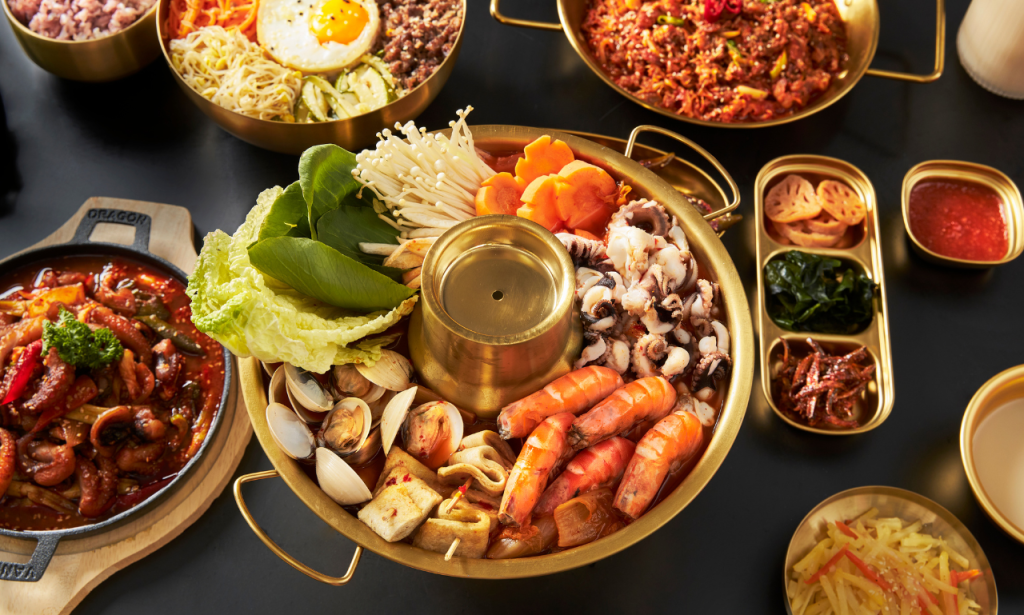
Fat contributes texture, aroma, richness, and energy density to many foods.
Foods combining fat with refined carbohydrates or salt can be especially palatable.
Pizza, fries, pastries, ice cream, chips, and many fast-food meals combine several rewarding characteristics rather than relying on one ingredient.
When tired, people may gravitate toward these combinations because they provide strong sensory stimulation with relatively little effort.
Importantly, craving energy-dense foods does not prove that the body has calculated a specific calorie shortage.
Food choice is shaped by learned associations and the environment as well as physiological need.
If someone repeatedly eats particular comfort foods after exhausting days, fatigue itself can eventually become a cue associated with those foods.
Sleep Loss Can Increase the Time Available for Eating
There is also a straightforward explanation for some increased food intake after inadequate sleep: being awake longer creates more opportunities to eat.
Someone who normally sleeps from 11 p.m. until 7 a.m. has eight hours during which eating is unlikely.
Stay awake until 2 a.m., and an additional three-hour eating window appears.
Late-night snacks can add energy intake even if daytime meals remain unchanged.
The food environment at those hours may also differ.
People are less likely to prepare an elaborate balanced meal late at night. Packaged snacks, delivery food, leftovers, and sweets may be easier choices.
Consequently, sleep timing can influence eating behavior through opportunity and convenience as well as through biological appetite mechanisms.
Mental Fatigue Makes Convenience More Valuable
Food preparation requires a series of small decisions.
Ingredients must be selected, preparation planned, food cooked, and dishes cleaned.
None of these tasks is necessarily difficult, but together they create effort.
After a demanding day, that effort can feel disproportionately large.
Convenience therefore becomes more valuable.
A ready-to-eat snack or takeaway meal removes multiple decisions and steps. The immediate appeal may have as much to do with avoiding work as with the food itself.
This helps explain why people can plan a particular dinner in the morning and abandon the idea in the evening.
The ingredients have not changed.
The decision-maker has.
Planning meals or preparing some ingredients in advance can reduce the number of decisions required when fatigue is highest.
Decision-Making Can Become More Short-Term
Tiredness can impair aspects of executive functioning, including sustained attention and inhibitory control.
These abilities help people maintain longer-term goals when an immediate alternative is tempting.
Food choices provide a familiar conflict.
One option may align better with someone’s nutritional goals. Another promises greater immediate pleasure.
When well rested, resisting an impulse can require relatively little effort. Under significant fatigue, the immediate reward may receive greater weight.
This does not mean tired people lose all self-control.
Nor does it mean every indulgent food choice reflects failed discipline.
It means the conditions under which a decision is made influence the outcome. Changing those conditions can sometimes be more effective than relying exclusively on willpower.
Stress and Fatigue Frequently Arrive Together
Tiredness rarely occurs in isolation.
A difficult workday, family demands, travel, deadlines, or emotional strain can simultaneously increase stress and reduce sleep.
Stress can influence appetite differently among individuals.
Some people lose interest in food during acute stress. Others become more interested in eating, particularly foods associated with comfort or reward.
When stress and fatigue occur together, identifying which factor is driving a craving becomes difficult.
Food can also serve an emotional function.
A familiar meal or dessert may be associated with relaxation, celebration, childhood, or the transition from work to personal time.
The appeal is therefore partly psychological rather than simply a response to energy needs.
Habit Can Link Fatigue With Specific Foods
Repeated behaviors become easier to trigger in familiar situations.
Suppose someone regularly buys a sweet coffee and pastry after nights of poor sleep.
Eventually, the experience of morning fatigue itself may help cue the routine.
The craving can feel spontaneous even though learning has strengthened the connection over time.
The same pattern can develop around evening snacks.
If television, exhaustion, and a particular snack repeatedly occur together, each part of the routine can begin prompting the others.
Habits are powerful because they reduce decision-making.
That is useful for beneficial routines but can also make food choices feel automatic.
Changing the surrounding cue or making another convenient option available can sometimes weaken the pattern more effectively than repeatedly trying to resist it at the final moment.
Caffeine Can Complicate Hunger and Food Choices
Fatigue often increases caffeine consumption.
Coffee or tea itself does not necessarily create a nutritional problem, but caffeinated drinks vary enormously in what accompanies the caffeine.
Some contain substantial amounts of sugar, syrups, cream, or other energy-dense additions.
People may also pair caffeine with pastries or snacks.
Caffeine consumed later in the day can interfere with sleep in susceptible individuals, potentially creating a cycle in which poor sleep leads to more caffeine and later caffeine contributes to another poor night’s sleep.
Individual sensitivity and timing vary considerably.
Using caffeine to temporarily improve alertness also does not replace the biological functions of sleep.
Someone may feel less sleepy after caffeine while still experiencing some effects of inadequate rest on judgment, mood, or appetite.
Circadian Timing Influences Hunger
The body follows approximately 24-hour rhythms that affect far more than sleep.
Hormones, body temperature, digestion, alertness, and metabolism all vary across the day.
Eating behavior interacts with these circadian patterns.
When sleep schedules shift, meal timing often changes as well.
A person staying awake several hours later than usual may experience hunger at times when they would normally be asleep. Shift workers face an even more complicated situation because work, sleep, light exposure, and meals can occur at biologically unusual times.
This means “tired eating” is sometimes partly a timing problem.
The person may be awake during a period when alertness is low while food remains easily available.
Circadian disruption and sleep deprivation can overlap, making their separate effects difficult to distinguish in everyday life.
One Poor Night Is Different From Chronic Sleep Restriction

Occasional tiredness and persistent inadequate sleep should not be treated as identical situations.
After one short night, someone may experience temporary changes in appetite, mood, concentration, and food preference that improve after adequate rest.
Repeated sleep restriction creates a more persistent environment.
The person may routinely encounter stronger cravings, more opportunities for late-night eating, reduced motivation to prepare meals, and greater dependence on convenience.
Over time, these small behavioral differences can accumulate.
Observational research has associated short sleep with higher risks of obesity and metabolic problems, although these relationships are influenced by many factors and do not prove that sleep duration alone determines body weight.
Diet, activity, health, socioeconomic conditions, stress, medications, and individual biology also matter.
Highly Processed Foods Are Designed for Convenience
The modern food environment makes fatigue-driven choices easy to act upon.
Highly processed foods are widely available, portable, predictable, and often require little or no preparation.
Many combine refined carbohydrates, fats, salt, flavors, and textures in ways that make them highly palatable.
A tired person does not need to deliberately seek these properties.
They are simply common among the easiest foods to obtain.
Convenience stores, vending machines, delivery apps, workplace snack areas, and kitchen cupboards can make the most immediately rewarding option the one requiring the least effort.
This environment helps explain why personal willpower provides an incomplete explanation for food choice.
Availability matters.
People choose from what is accessible at the moment a decision occurs.
Fatigue Can Make Subtle Hunger Feel More Urgent
Long gaps between meals can interact with tiredness.
A person who slept poorly, skipped breakfast, worked through lunch, and reaches late afternoon exhausted is dealing with several overlapping signals.
At that point, intense hunger can make rapid, energy-dense options especially appealing.
Regular eating patterns are not necessary or appropriate in exactly the same form for everyone, but avoiding unintended long periods without food can make later decisions less reactive for some people.
Meals containing adequate protein, fiber-rich foods, and other satisfying components may also help with satiety.
The broader point is that sleep does not operate independently of the rest of the day’s eating pattern.
Fatigue can amplify a situation that was already becoming difficult because of hunger.
Restrictive Dieting Can Intensify the Situation
Strict food rules can make fatigue-related cravings more complicated.
When a food has been labeled completely forbidden, wanting it can create a sense of conflict.
Tiredness may reduce the mental energy available to maintain rigid rules.
If the person eventually eats the restricted food, they may interpret the event as a complete failure and eat more than they otherwise would have.
A more flexible approach to eating can avoid turning individual foods into tests of discipline.
Nutritional quality is shaped by patterns over time rather than one isolated snack or meal.
Someone who chooses a dessert after a poor night’s sleep has not undone an otherwise balanced diet.
Recognizing this can reduce the cycle of restriction, craving, and guilt that sometimes surrounds highly desired foods.
Better Sleep Can Support Food Choices Indirectly
Sleep should not be presented as a weight-loss trick or a guaranteed method for eliminating cravings.
Its role is broader.
Adequate sleep supports attention, mood, decision-making, physical recovery, and normal physiological regulation. Those conditions can make intentional eating easier.
Someone who wakes rested may have more energy to prepare breakfast, shop for groceries, exercise, or cook dinner.
The difference can emerge through dozens of small behaviors rather than one dramatic change in appetite.
Improving sleep therefore complements nutrition rather than replacing it.
People still need access to appropriate foods, sufficient time, practical routines, and an eating pattern that meets their individual needs.
Preparing for Tired Days Can Reduce Reactive Choices
Perfect sleep is unrealistic.
Travel, parenting, work, illness, stress, and ordinary life occasionally produce exhausting days.
Planning for those days can be more practical than expecting ideal decision-making under fatigue.
Keeping convenient foods available reduces the gap between the easiest choice and a nutritionally useful one.
Examples might include fruit, yogurt, nuts, eggs, whole-grain foods, prepared vegetables, simple sandwiches, or leftovers depending on personal preferences and dietary needs.
The specific foods matter less than the principle.
A meal that requires five minutes of effort is more likely to happen on an exhausting evening than one requiring an hour of preparation.
Convenience can support nutrition rather than work against it.
Persistent Fatigue Deserves Attention Beyond Diet
Occasional tiredness after insufficient sleep has an obvious explanation.
Persistent fatigue is different.
Regular exhaustion despite adequate opportunity for sleep can have many potential causes, including sleep disorders, medications, nutritional deficiencies, medical conditions, mental health factors, and lifestyle circumstances.
Food cravings alone cannot identify the cause.
If fatigue is persistent, severe, worsening, or accompanied by other concerning symptoms, professional medical evaluation may be appropriate.
Trying to solve unexplained chronic tiredness only by changing snacks can miss the underlying issue.
Nutrition and sleep influence each other, but neither should automatically be blamed for symptoms that require a broader assessment.
Conclusion
Food does not suddenly change composition after a difficult night, but the brain evaluating it is operating under different conditions. Reward, attention, convenience, habits, hunger, stress, and the effort involved in preparing alternatives can all shift when energy and alertness are low.
This helps explain why certain foods become more appealing when you are tired. Highly palatable options can promise immediate reward, while fatigue can make preparation and long-term decision-making feel more demanding. Staying awake longer also creates additional opportunities to eat, particularly at times when convenient foods dominate.
The pattern is better understood as an interaction between biology and environment than as a simple failure of discipline. Adequate sleep can support more deliberate food choices, while convenient meal options can make exhausted days easier to navigate. When tiredness becomes persistent rather than occasional, however, the fatigue itself may deserve attention rather than focusing only on the foods it makes appealing.
Also Read: Why Does Reheated Food Sometimes Taste Better the Next Day?
FAQs
Fatigue and inadequate sleep can alter appetite and reward processing, making sweet, highly palatable foods more appealing to some people.
No. Responses vary between individuals, although insufficient sleep has been associated with changes in appetite, food preference, and energy intake in many studies.
Adequate sleep may support appetite regulation and decision-making, but cravings are also influenced by habits, stress, food availability, and individual preferences.
Fatigue can increase the value of convenience and immediate reward, making foods that require little preparation particularly attractive.
