

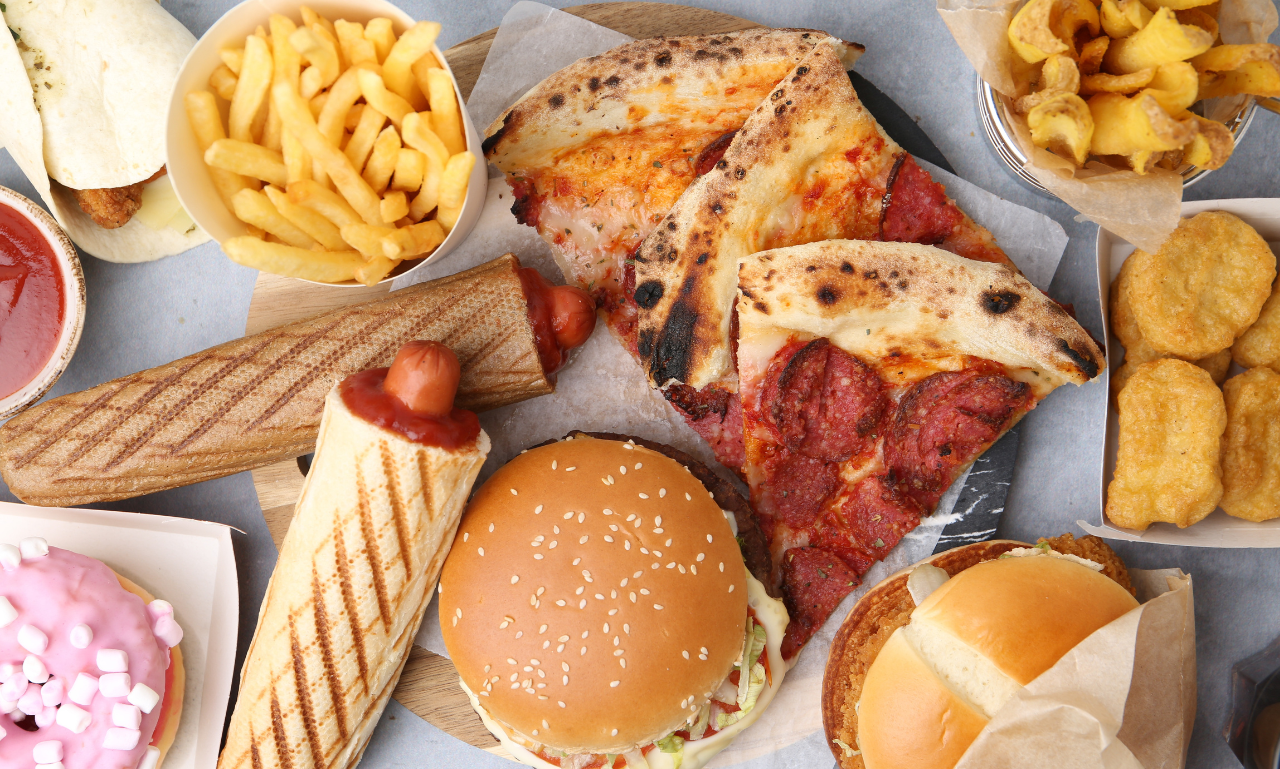
A cup of coffee can taste rich in the morning and strangely bitter later in the day. A favorite meal may seem exceptionally satisfying one evening, then surprisingly ordinary the next time it appears on the table.The recipe may not have changed at all. Flavor is constructed from taste, smell, temperature, texture, appetite, expectations, and signals from the body, all of which can shift from one occasion to another. What seems like inconsistency in the food can actually reflect changes in the person eating it and the conditions surrounding the meal.
Flavor Is Much More Than the Tongue
The tongue detects several basic taste qualities, including sweet, salty, sour, bitter, and umami.
But what people commonly call “taste” is usually flavor—a much broader sensory experience.
Smell contributes enormously.
As food is chewed, aromatic molecules travel through the back of the mouth toward smell receptors in the nose. This process, known as retronasal olfaction, helps create the detailed differences between foods that might otherwise share similar basic tastes.
Texture, temperature, irritation from spices, and even sound can contribute.
That means a change in any one of these sensory channels can make an identical food seem different.
The brain integrates them into a single experience, so people rarely notice where the change originated.
Hunger Can Make Food More Rewarding
A meal eaten after several hours without food often feels more satisfying than the same meal consumed shortly after a snack.
Hunger changes motivation.
The body and brain use multiple signals related to energy availability and food intake to influence appetite. When someone is hungry, food-related cues can become more attention-grabbing and rewarding.
That does not necessarily mean every taste receptor suddenly becomes dramatically more sensitive.
Instead, the overall value assigned to eating changes.
A simple sandwich can seem unusually appealing after a long hike because the person approaches it in a different physiological state.
Once comfortably full, another identical sandwich may have far less appeal.
The food is the same. Its relevance to the body is not.
Why the Same Food Tastes Different After You Are Full
Eating gradually changes the desirability of food.
A phenomenon known as sensory-specific satiety helps explain why.
As someone eats a particular food, its pleasantness can decline relative to foods with different sensory characteristics. After several slices of pizza, for instance, another slice may become less appealing while a different dessert still sounds attractive.
This encourages dietary variety rather than endless consumption of one flavor.
It also explains why the first bites of a meal can sometimes seem more intense or enjoyable than the last ones.
Satiety is not simply the stomach announcing that it is full. The sensory reward associated with the food itself can shift during the meal.
Smell Changes What Food Seems to Taste Like
A blocked nose can make familiar foods seem remarkably bland.
The tongue can still detect sweetness, saltiness, acidity, bitterness, and other basic qualities. Much of the food’s distinctive identity, however, depends on aroma.
Temporary nasal congestion from a cold or allergies can therefore alter flavor perception.
Environmental smells can matter as well.
Strong perfume, smoke, cleaning products, or cooking aromas can interact with the sensory experience of eating.
Because smell and taste are integrated so seamlessly, people often describe the result as food “tasting wrong” rather than recognizing that smell has changed.
Even subtle differences in nasal airflow can influence how strongly aromas reach the receptors involved in flavor.
Temperature Changes Flavor Perception
The same food served at different temperatures rarely tastes identical.
Temperature influences aroma release, texture, and sensory perception.
Warm foods often release volatile aromatic compounds more readily, allowing more aroma to reach the nose.
Cooling can suppress some aromas.
This is one reason leftovers eaten directly from the refrigerator may seem less flavorful than the same dish after reheating.
Temperature also changes texture.
Fats can become firmer when cold. Sauces thicken, bread changes character, and melted ingredients solidify.
Ice cream provides the reverse example. As it warms slightly, sweetness and aroma may become easier to perceive, while the texture becomes softer.
Serving temperature is therefore part of the flavor experience rather than a separate detail.
Recent Foods Can Influence the Next Bite
Taste perception occurs in sequence.
What someone eats or drinks immediately beforehand can affect what follows.
A strongly sweet food can make another sweet item seem less intense. Acidic foods can temporarily alter the way subsequent flavors are perceived.
Spicy ingredients can create lingering sensations that influence whatever comes next.
This helps explain why food pairings and serving order matter.
A beverage that tastes balanced on its own may seem different after a very sweet dessert.
Water can even taste unusual after certain strongly flavored foods.
The sensory system is continuously adapting to recent stimulation.
Each bite is therefore evaluated partly against what the mouth and nose have just experienced rather than against a perfectly neutral baseline.
Repeated Exposure Can Change Preferences
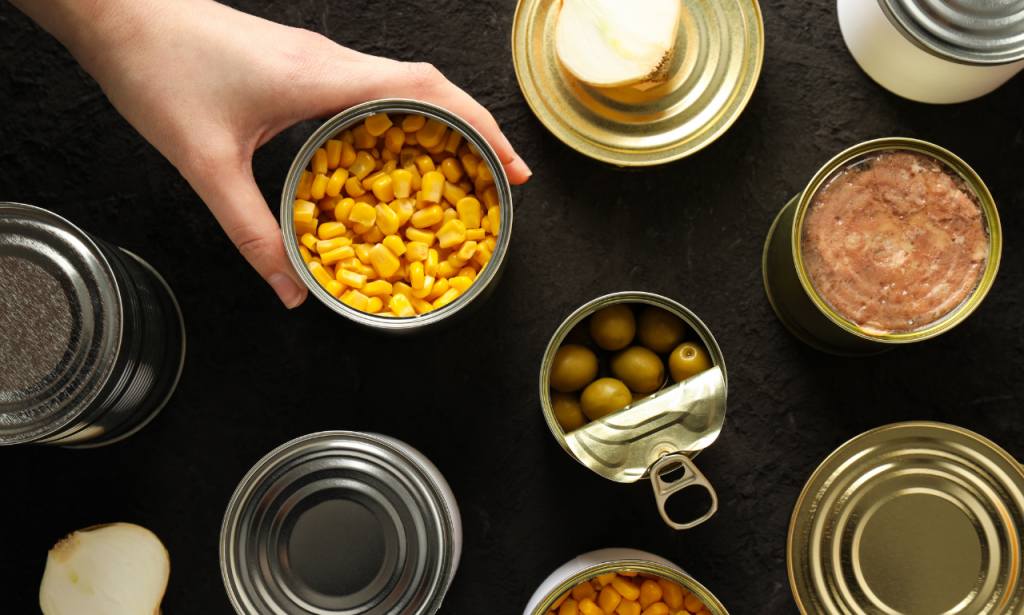
People are not born with fixed preferences for every flavor they will encounter.
Experience matters.
A food that initially seems excessively bitter, sour, spicy, or unfamiliar can become more acceptable after repeated exposure.
Coffee is a familiar example.
Many first-time coffee drinkers find its bitterness unpleasant. Over time, some learn to associate the flavor with enjoyable routines, alertness, social situations, or other positive outcomes.
The sensory properties of coffee have not necessarily changed.
The brain’s interpretation has.
The reverse can also happen.
Repeatedly consuming the same food can create boredom, reducing its appeal even when its quality remains unchanged.
Taste preferences therefore develop through both biology and learning.
Expectations Can Alter Flavor Before the First Bite
People rarely approach food without expectations.
Packaging, price, restaurant reputation, appearance, menu descriptions, and previous experiences all create predictions about what something should taste like.
Those expectations influence perception.
If a familiar drink suddenly comes from packaging associated with a different flavor, the experience can seem unusual before the person consciously identifies why.
Presentation works similarly.
A carefully plated meal may create expectations of quality that influence how diners interpret its flavors.
This does not mean expectation completely overrides sensory information.
A burnt meal still tastes burnt.
But perception is not an objective chemical reading. The brain interprets sensory input using contextual information, and expectation is part of that context.
Mood Can Influence the Eating Experience
Emotional state can change appetite and attention.
Stress causes some people to lose interest in food, while others find particular foods more appealing.
Sadness, excitement, anxiety, and relaxation can all change the circumstances under which flavors are experienced.
Part of this effect is attentional.
Someone eating while intensely worried about a problem may devote little attention to the meal. Flavors that would normally stand out receive less mental processing.
Positive social settings can produce the opposite effect.
A meal associated with celebration, conversation, or relaxation may be remembered as particularly enjoyable.
Food is experienced inside an emotional context, not in sensory isolation.
That context can influence both immediate pleasure and later memory of how the meal tasted.
Stress Can Affect More Than Mood

Stress also produces physical changes.
The autonomic nervous system influences processes throughout the body, including those associated with digestion and salivation.
A dry mouth can alter how food feels and how compounds dissolve and reach taste receptors.
Stress can also increase muscle tension and shift attention toward perceived threats or worries rather than sensory enjoyment.
Chronic stress may influence eating behavior in more complicated ways, including appetite and food choices.
The effects vary considerably between individuals.
This variation explains why one person may find food unappealing during a stressful period while another strongly craves familiar, energy-dense foods.
Time of Day Can Influence Appetite
Eating does not occur independently of the body’s daily rhythms.
Sleep-wake schedules, hormones, routines, physical activity, and meal timing all influence hunger across the day.
A breakfast food may seem especially satisfying shortly after waking because it appears when someone habitually expects to eat.
The same meal at an unusual hour may feel less appropriate or appealing.
Habit contributes alongside biology.
Someone accustomed to eating dinner at 7 p.m. may begin feeling hungry around that time even if the day’s energy demands were unusual.
These changing appetite states can influence how rewarding food feels.
Time itself is not necessarily changing the flavor molecules. It changes the physiological and psychological setting in which those molecules are experienced.
Sleep Loss Can Change Food Preferences
A poor night’s sleep can affect eating behavior the following day.
Sleep restriction has been associated with changes in appetite, reward processing, and food choices.
Tired people may find highly palatable foods especially appealing or have greater difficulty regulating eating decisions.
Fatigue can also affect attention.
A carefully prepared meal may receive less sensory attention when someone is exhausted.
Sleep deprivation does not make every food predictably sweeter, saltier, or more bitter. Its effects are more complex than a simple shift in taste sensitivity.
Still, differences in appetite and reward can make the same food feel more or less satisfying after a bad night’s sleep.
Hydration and Dry Mouth Can Affect Eating
Saliva plays an important role in taste.
Food compounds need to dissolve so they can interact effectively with receptors in the mouth.
A dry mouth can therefore alter the sensory experience.
Dehydration is one possible contributor, although dry mouth can have many causes, including medications and medical conditions.
Alcohol and other factors can also influence oral dryness.
Texture becomes especially noticeable when saliva is reduced. Dry foods may seem harder to chew and swallow, which can make them less pleasant even if their basic flavor has not changed.
Persistent dry mouth deserves attention because saliva also contributes to oral health, not merely food enjoyment.
Medications Can Change Taste
Certain medications can alter taste or produce unusual sensations in the mouth.
Some people report metallic, bitter, or otherwise distorted tastes.
Others experience dry mouth, which indirectly changes eating.
The effect depends on the medication and individual response.
People should not stop prescribed medicine simply because food tastes different. A clinician or pharmacist can help determine whether taste changes are a known side effect and whether appropriate alternatives or management strategies exist.
Taste changes can also arise from medical conditions, infections, dental problems, or other causes.
A persistent unexplained alteration in taste is therefore different from an occasional meal seeming slightly different.
Oral Health Matters
The mouth is the first environment food encounters.
Dental problems, gum disease, oral infections, and changes in saliva can influence eating comfort and flavor perception.
Pain may cause someone to chew differently, reducing the release of aromas from food.
Coatings or inflammation in the mouth can also change sensations.
Good oral hygiene supports more than teeth and gums; it helps maintain the environment in which taste operates.
Sudden or persistent changes in taste accompanied by oral pain, sores, bleeding, swelling, or other symptoms deserve professional assessment.
The important distinction is between normal variation and a new sensory change that continues regardless of what is being eaten.
Aging Can Alter Flavor Perception
Taste and smell can change with age.
The degree varies greatly between individuals, and aging does not mean food inevitably becomes flavorless.
Smell function may decline for some people, reducing the complexity of flavor.
Medications and health conditions, which become more common with age, can contribute as well.
Changes in oral health and saliva may also affect eating.
People sometimes compensate by adding more salt or sugar, but stronger seasoning does not have to rely exclusively on either.
Herbs, spices, acidity, texture, temperature contrasts, and aromatic ingredients can increase sensory interest.
Understanding which part of the eating experience has changed can lead to more useful adjustments.
The Environment Changes How Food Is Experienced
A meal eaten outdoors can seem different from the same meal at a dining table.
Noise, lighting, temperature, altitude, smells, and social surroundings all provide sensory context.
Background noise is particularly interesting because eating never occurs through taste alone.
Loud environments can change attention and potentially alter aspects of flavor perception.
Air travel offers a familiar example of an unusual eating environment. Aircraft cabins combine low humidity, background noise, pressure conditions, and limited food preparation possibilities.
A meal that tastes satisfying on the ground may seem different at cruising altitude.
The recipe is only one variable in the dining experience.
Social Company Can Change Perception
People often evaluate meals differently depending on who shares them.
Conversation can distract from detailed sensory analysis while simultaneously increasing overall enjoyment.
A celebratory dinner may be remembered fondly because the social experience was positive, even if the food itself was relatively ordinary.
Eating alone creates a different attentional environment.
Without conversation, a person may notice texture, temperature, or seasoning more carefully.
Social expectations matter too.
If everyone at the table praises a dish, that reaction can influence how an individual approaches it.
Humans are social learners, and food preferences are partly shaped by families, cultures, peers, and communities.
Memory Can Improve or Damage a Familiar Flavor
A favorite food carries history.
The first bite may activate memories of childhood, holidays, travel, or particular people.
Those associations become part of the experience.
A meal strongly connected with a positive memory may feel comforting even when it is objectively simple.
Negative experiences can have the opposite effect.
If someone becomes ill shortly after eating a particular food, they may later develop a strong aversion to its smell or taste—even when the food did not actually cause the illness.
The brain is highly motivated to learn associations that might protect against poisoning.
Once formed, food aversions can be remarkably powerful.
Ingredients May Not Be as Identical as They Seem
Sometimes the simplest explanation is correct: the food really is different.
Agricultural products naturally vary.
Tomatoes can differ in sweetness and acidity according to variety, ripeness, growing conditions, storage, and season.
Coffee beans change with origin, roast, age, grinding, and brewing.
Packaged foods can also undergo recipe or manufacturing changes.
Restaurants may use different suppliers or cooks.
Even when a person follows the same home recipe, ingredient temperature, measurement, cooking time, equipment, and storage can introduce subtle differences.
Before assuming perception has changed, it is worth considering whether the supposedly identical food is genuinely identical.
Leftovers Continue to Change in Storage
Cooked food does not remain chemically and physically frozen in time after entering the refrigerator.
Moisture moves between ingredients. Starches change structure. Aromatic compounds can dissipate, while flavors from sauces and spices may redistribute.
Texture can change substantially.
Some dishes seem more integrated after resting because flavors have had time to mingle. Others lose crispness or freshness.
Reheating introduces further changes.
A microwave does not necessarily reproduce the temperature distribution or texture created by the original cooking method.
That is why yesterday’s dinner can taste noticeably different today even when nothing new has been added.
Attention Determines How Much Flavor You Notice
Eating while watching television, working, scrolling through a phone, or driving divides attention.
The sensory information still reaches the brain, but less conscious attention may be devoted to it.
This can make a familiar meal seem less memorable.
Focused eating produces a different experience.
Temperature changes become obvious. Aromas are easier to notice, and subtle differences in texture receive more attention.
This does not mean every meal needs to become an exercise in deliberate mindfulness.
It simply demonstrates that flavor depends partly on cognitive processing.
Two servings of identical food can produce different experiences because one was eaten attentively and the other almost automatically.
Persistent Taste Changes Are Different From Normal Variation
Occasional differences in flavor are common.
A persistent or sudden alteration across many foods deserves more attention.
Some people experience reduced taste, complete taste loss, or distorted sensations in which familiar foods taste unpleasant or unusual.
Because much of flavor depends on smell, apparent taste loss may sometimes involve olfactory changes.
Infections, medications, oral conditions, neurological problems, and other factors can contribute.
Anyone experiencing a significant unexplained change—particularly one that persists or occurs with other symptoms—should consider discussing it with an appropriate healthcare professional.
Normal fluctuations explain many everyday experiences, but they should not be used to dismiss a substantial new sensory problem.
Conclusion
Flavor is less like a fixed property printed on a nutrition label and more like an event created when food meets a particular body in a particular environment. The chemistry of the meal matters, but so do the conditions under which the brain receives and interprets it.
That is why the same food can taste different at different times. Hunger changes reward, recent flavors create contrast, temperature affects aroma and texture, while mood, sleep, expectations, surroundings, and memory alter the way sensory information is interpreted.
This variability also helps explain why recreating a memorable meal can be unexpectedly difficult. Matching the ingredients may reproduce the dish without reproducing the experience that surrounded it. Flavor belongs partly to the food and partly to the moment—and those two things are rarely identical twice.
Also Read: Why Do Meal Prep Vegetables Become Watery in the Fridge?
FAQs
It can make food feel more rewarding and appealing, although the effect involves appetite and reward as well as taste itself.
Nasal congestion can reduce smell, removing much of the aroma information that creates detailed flavor.
Yes. Stress can influence attention, appetite, salivation, and the overall sensory experience of eating.
A persistent or substantial unexplained taste change can have several causes and is worth discussing with a healthcare professional.
