


A pot of stew can seem perfectly good at dinner and somehow richer when it returns to the table the following evening. Curries, soups, braises, pasta sauces, and other cooked dishes are particularly famous for this transformation. When reheated food tastes better the next day, the difference usually comes from a mixture of flavor redistribution, chemical changes, texture, temperature, and the way the food is reheated rather than from one mysterious overnight process.
Cooking Does Not End Every Flavor Change

Removing a dish from the stove stops intense cooking, but it does not freeze every process inside the food.
As the meal cools and rests, its ingredients remain in contact. Water, fats, dissolved flavor compounds, salt, acids, sugars, and aromatic substances are distributed throughout a complicated mixture.
Some components continue moving between the solid and liquid parts of the dish.
A freshly prepared stew, for instance, may contain strongly flavored broth alongside pieces of meat and vegetables whose interiors are comparatively mild. After storage, that contrast can become less pronounced.
The dish can consequently seem more integrated the following day.
This does not mean every flavor literally “soaks in” overnight in the same way. Different compounds behave differently, but resting can change how the finished dish is experienced.
Flavors Have More Time to Redistribute
Many foods are mixtures of ingredients with very different compositions.
Salt and other water-soluble compounds can move through moisture within a dish. Fat-soluble aromatic compounds behave differently but can be carried by oils and fats distributed throughout sauces.
During initial cooking, ingredients may not reach complete equilibrium.
Resting provides additional time for components to redistribute.
That can make individual bites seem more consistent. Instead of encountering a strongly seasoned spoonful followed by a comparatively bland one, the flavor profile may become more even.
This effect is especially noticeable in moist foods where ingredients remain surrounded by sauce or broth during refrigeration.
Dry foods generally have less opportunity for the same kind of redistribution.
Aromatic Spices Create Complex Mixtures
Spice-heavy dishes often contain dozens of volatile and nonvolatile flavor compounds.
Some dissolve more readily in water, while others associate more strongly with fat. Cooking releases many of these compounds from herbs, spices, onions, garlic, and other ingredients.
A sauce containing enough fat can carry certain aromatic compounds throughout the dish.
After several hours of storage, the overall flavor may seem more unified.
That does not necessarily mean the concentration of every desirable aroma increases. In fact, highly volatile compounds can be lost during cooking, storage, and reheating.
What changes is the balance.
Some sharp fresh notes weaken while deeper, less volatile flavors remain prominent. For dishes such as curries and braises, that shift can be interpreted as greater richness.
Reheated Food Tastes Better the Next Day When Sauces Become More Integrated
Sauces often change substantially after refrigeration.
Cooling can alter the behavior of fats, starches, gelatin, and water. A sauce that seemed thin immediately after cooking may become noticeably thicker in the refrigerator.
When reheated carefully, it may return to a smoother consistency while retaining a sense of greater body.
Thicker sauces coat the tongue and ingredients differently from watery ones.
That physical change influences flavor perception because taste and aroma are experienced alongside texture.
A sauce that clings effectively to pasta, vegetables, or meat may deliver seasoning more consistently with every bite.
What diners describe as “more flavorful” can therefore partly be a texture effect rather than an actual increase in flavor compounds.
Gelatin Gives Braised Dishes a Different Character

Slow-cooked meat dishes provide a good example of why leftovers can change overnight.
Collagen in connective tissue can convert into gelatin during prolonged moist cooking. When the dish cools, gelatin helps the liquid form a thicker structure.
The refrigerated stew may become almost solid.
Upon reheating, the gelatin melts again, producing a sauce with a rich mouthfeel.
This affects how flavors are carried across the palate and can make the meal seem more substantial.
The meat itself may also be surrounded more thoroughly by the thickened cooking liquid.
These characteristics help explain why braises, stews, and similar dishes are among the foods most commonly associated with improved next-day eating.
Starches Change During Cooling
Rice, potatoes, pasta, and other starch-rich foods undergo structural changes after cooking and cooling.
During cooking, starch granules absorb water and their structures change. As cooked starch cools, some starch molecules begin reorganizing in a process known as retrogradation.
This can alter texture noticeably.
Rice may become firmer. Potatoes can change consistency. Pasta often becomes less soft than it was immediately after cooking.
Whether that is an improvement depends on the dish and personal preference.
In a soup or sauced dish, a slightly firmer starch may provide a pleasing contrast to a rich liquid. Elsewhere, retrogradation can make food seem dry or stale.
The same overnight process can therefore improve one meal while diminishing another.
Water Continues Moving Through the Dish
Moisture distribution plays a major role in leftover quality.
Cooked foods rarely contain water uniformly. Some ingredients hold substantial moisture, while others readily absorb it.
During storage, moisture can migrate.
Pasta left in sauce may absorb additional liquid. Bread in a moist casserole can soften. Rice can draw in sauce, while vegetables may release water.
Sometimes these changes are desirable because they integrate ingredients.
Sometimes they destroy texture.
A crisp topping placed over a wet filling may become soggy overnight because moisture moves into it.
Whether leftovers improve therefore depends partly on whether the dish benefits from greater moisture equilibrium or relies on strong contrasts between dry and wet components.
Sharp Flavors Can Become Less Dominant
Freshly cooked dishes sometimes contain individual flavors that stand out aggressively.
Acidity may seem sharp. Garlic can dominate. Certain spices may feel disconnected from the rest of the sauce.
After storage and reheating, diners sometimes perceive these elements as more balanced.
Part of that effect can come from redistribution. Part can result from the loss or transformation of volatile aromatic compounds.
Reheating itself further changes the balance.
The outcome is not universally better. A dish valued for bright, fresh aromas may become duller.
But foods designed around deep, blended flavors can benefit when no single aromatic element overwhelms everything else.
“Better the next day” often means more harmonious rather than objectively more flavorful.
Fat Influences Flavor Perception
Fat is an important carrier of many flavor compounds.
Dishes containing meat fats, dairy, coconut milk, or cooking oils can therefore behave differently from very lean foods during storage and reheating.
When refrigerated, fats solidify to varying degrees.
As the dish is warmed again, they melt and redistribute, helping release fat-soluble aromatic compounds.
Temperature matters here.
A refrigerator-cold stew will not deliver aroma or mouthfeel in the same way as the same stew warmed to an appropriate serving temperature.
Reheating can restore fluidity and increase the release of aromas that were less noticeable while the food was cold.
Some of the apparent improvement attributed to overnight storage is therefore created during the second heating.
Reheating Is Another Cooking Stage
Leftovers are not merely returned to their previous temperature.
Depending on the method, reheating can continue cooking them.
A curry simmered gently on the stove may lose additional water, concentrating its sauce. A casserole reheated in an oven can undergo further browning at its surface.
Those changes can deepen flavors.
They can also go too far.
Repeatedly boiling a sauce may destroy delicate aromas or overcook ingredients. Lean meat can become dry. Vegetables may lose their texture.
The best reheating method therefore depends on the food.
Moist dishes generally benefit from gentle, even heating, while foods whose appeal depends on crispness may respond better to an oven or air fryer than to methods that trap steam.
Some Foods Are Better Because They Were Designed for Slow Development
Certain recipes naturally suit advance preparation.
Stews, braises, chili, curries, soups, and many sauces contain substantial moisture and multiple ingredients whose flavors are intended to combine.
They are relatively forgiving when cooled and reheated correctly.
Other foods depend heavily on immediate texture.
Freshly fried foods are valued for a crisp exterior. Salads rely on crisp vegetables. Delicate seafood can become tough when heated repeatedly.
A soufflé depends on a structure that is difficult to reproduce after cooling.
These foods do not receive the same advantage from an overnight rest.
The popular belief that leftovers universally improve is therefore too broad. The phenomenon strongly favors particular kinds of dishes.
Aroma Loss Can Make Some Leftovers Worse
Much of what people call flavor is actually aroma.
Volatile compounds travel from food into the air and reach receptors involved in smell. Fresh herbs, citrus zest, certain spices, and freshly roasted ingredients can provide particularly delicate aromatic notes.
Storage can reduce them.
Every time a container is opened, some volatile compounds escape. Reheating can drive away more.
This explains why a dish may taste deeper the following day yet simultaneously seem less fresh.
Cooks can sometimes restore contrast by adding fresh finishing ingredients after reheating—such as herbs or an appropriate acidic component—rather than expecting storage to preserve every characteristic of the original meal.
The goal is not necessarily to recreate day one exactly, but to complement how the dish has changed.
The Refrigerator Changes Texture as Well as Flavor
Cold temperatures affect fats, starches, gelatin, and water.
That means refrigerated food can look dramatically different before reheating without actually being spoiled.
Fat may appear as a solid layer. Sauces can become firm. Gelatin-rich liquids may set.
These changes are often reversible during heating.
Other textural changes are not completely reversible. Cooked starches can continue changing during storage, while crispy coatings can absorb moisture and remain soft even after warming.
Understanding these differences helps explain why two components of the same meal can age differently.
The curry may improve while the fried garnish deteriorates.
For meal preparation, storing texture-sensitive components separately can preserve more of their original qualities.
Expectation Can Influence the Experience
Not every difference between freshly cooked and reheated food is purely chemical.
Context affects perception.
A meal prepared from scratch may follow an hour of chopping, tasting, smelling, and cooking. By the time it reaches the table, the cook has already been exposed continuously to its aromas.
The next day, those smells can feel more noticeable because there has been a long break from them.
Expectations also matter.
People who believe a particular family stew always tastes better the next day may approach the leftovers with a different level of anticipation.
This does not make the experience imaginary. Sensory perception is always influenced by both the food itself and the circumstances in which it is eaten.
Cooling Food Safely Matters More Than Improving Flavor
Leaving a cooked dish at room temperature for many hours is not a good strategy for developing flavor.
Food safety and flavor development are separate issues.
Perishable leftovers should be refrigerated promptly rather than intentionally left out overnight. Large quantities may need to be divided into smaller or shallower containers so they cool more efficiently.
Cold storage slows microbial growth; it does not sterilize food.
Leftovers also should not be judged for safety by smell alone because harmful microorganisms do not always produce obvious odors or visible changes.
Following appropriate food-storage guidance is more important than trying to maximize an overnight flavor effect.
Reheating Needs to Be Thorough and Controlled
Good leftovers depend on how they are warmed.
Uneven heating can leave some areas cool while others become excessively hot, particularly with dense foods or microwave reheating.
Stirring where appropriate helps distribute heat.
Large portions can be divided into smaller quantities to encourage more even warming.
Repeated cycles of warming and cooling are best avoided. Reheating only the portion needed reduces unnecessary handling of the remaining food.
Quality also benefits.
Each additional heating can soften vegetables, dry proteins, reduce aromas, or further alter starches.
The goal is to bring the meal back to a safe, enjoyable serving condition without subjecting it to more heat than necessary.
Meal Prepping Can Take Advantage of Next-Day Flavor
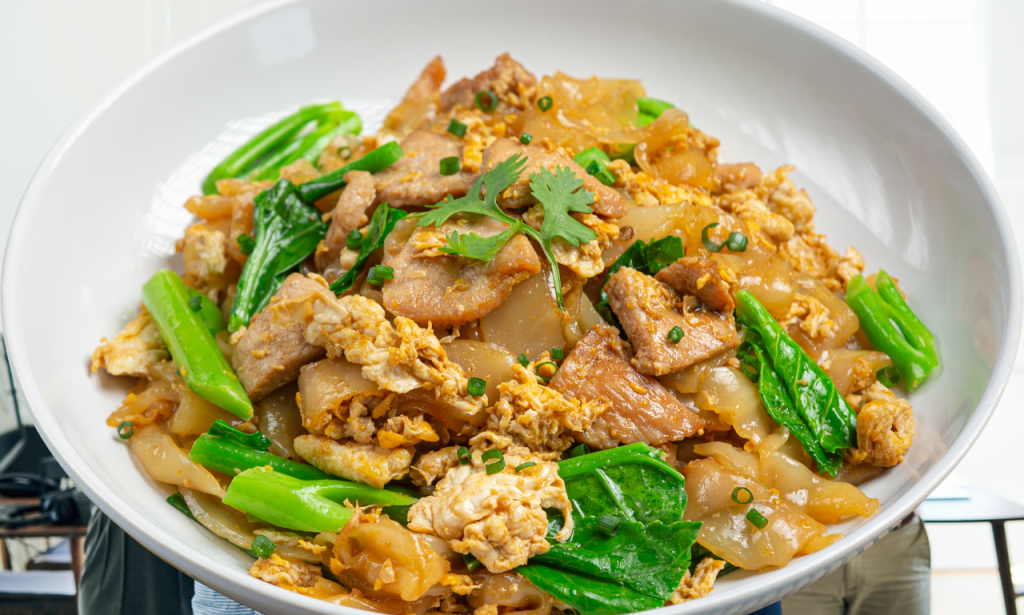
The phenomenon has practical value for meal planning.
Dishes that hold their quality well can be intentionally prepared in larger batches and divided into later meals.
Stews, soups, bean dishes, sauces, and many braised foods are particularly suitable because their texture survives refrigeration relatively well.
Texture-sensitive components can be stored separately.
Fresh herbs, crunchy toppings, toasted nuts, croutons, and similar ingredients can be added only when the meal is served.
This creates a useful balance: the main dish receives the benefits of resting while fresh elements preserve contrast.
Meal prepping works best when storage is considered part of the recipe rather than something that happens after cooking is finished.
Conclusion
Time in the refrigerator does not simply preserve yesterday’s dinner in an unchanged state. Moisture moves, starch structures shift, fats solidify and melt again, sauces change consistency, and the relative prominence of aromas can evolve before the meal returns to the table.
These processes help explain why reheated food tastes better the next day, particularly when the original dish contains plenty of moisture, fat, spices, gelatin, or a sauce designed to bring multiple ingredients together. The improvement is often less about creating new flavor than about changing its distribution, concentration, texture, and balance.
The effect also has limits. Crisp foods can become soggy, delicate aromas can fade, and poorly reheated proteins can dry out. Storage improves dishes whose structure tolerates resting; it does not automatically improve everything placed in a refrigerator.
For meal planning, that distinction is useful. Choosing foods that mature gracefully—and keeping fragile toppings or fresh elements separate—can make leftovers feel less like a compromise and more like a second version of the meal.
Also Read: Why Do Meal Prep Vegetables Become Watery in the Fridge?
FAQs
Its flavors can redistribute while gelatin and sauce texture change during cooling and reheating.
Not necessarily. Their distribution and balance can change, making the overall dish seem more integrated.
Foods dependent on crispness, delicate aromas, or precise textures can deteriorate during storage.
No. Perishable cooked food should be cooled and refrigerated promptly according to appropriate food-safety guidance.
