

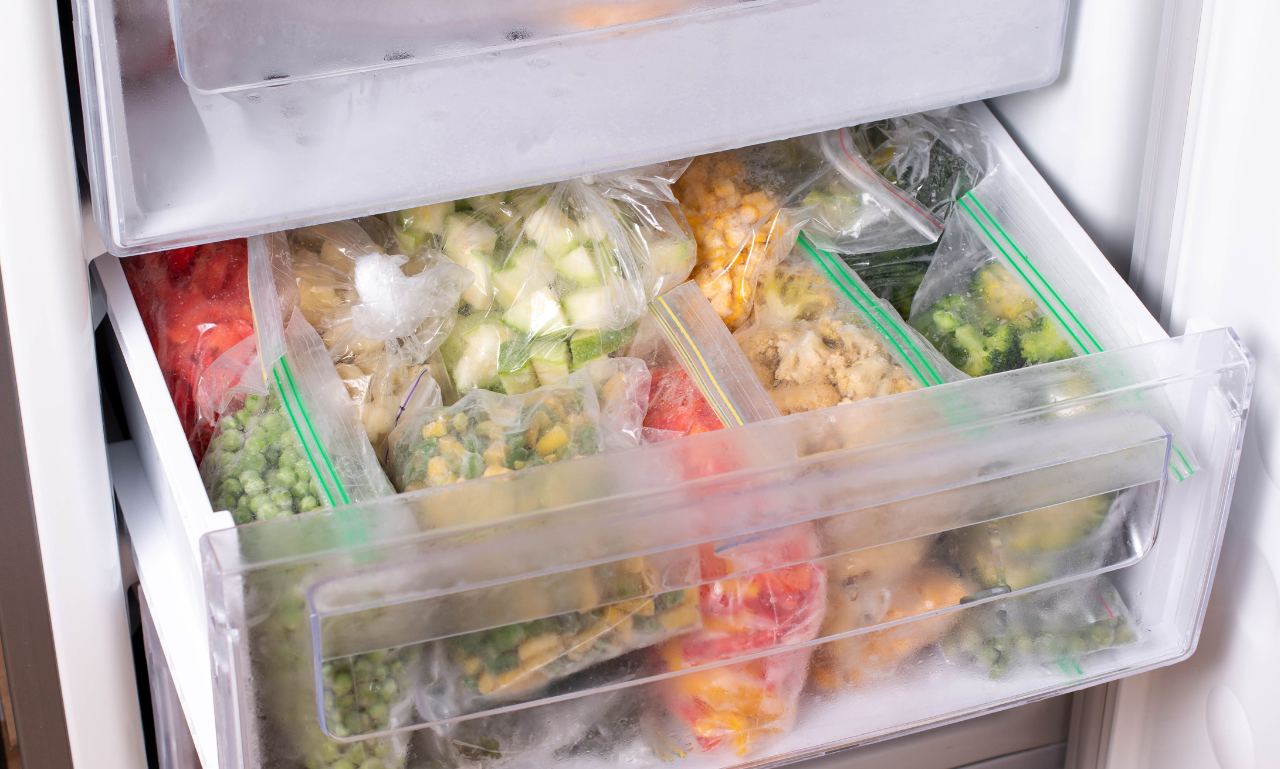
A container of roasted zucchini can look perfect on Sunday evening and sit in a shallow puddle by Tuesday. Crisp peppers soften, broccoli turns damp, and a carefully packed lunch suddenly feels less appealing. When meal prep vegetables become watery in the fridge, the explanation usually lies in plant structure, temperature, cooking, and the small environment created inside the container.
Vegetables Are Built Around Water
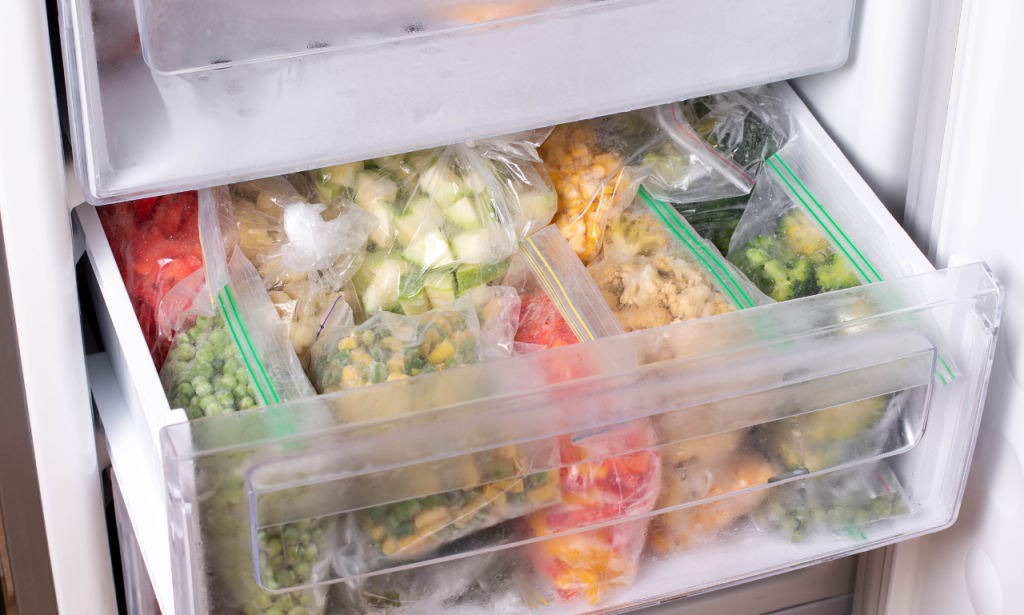
Fresh vegetables contain far more water than their firm appearance suggests. Cucumbers, zucchini, lettuce, tomatoes, peppers, mushrooms, and many other vegetables have particularly high moisture levels.
That water does not normally slosh around freely. Much of it is held inside thousands of microscopic plant cells. Cell walls provide structure, while cell membranes help control the movement of water and dissolved substances.
Fresh produce feels crisp partly because water inside its cells creates pressure against those walls. Scientists call this turgor pressure. It helps a pepper snap and gives raw celery its characteristic crunch.
Meal preparation changes this structure.
Cutting slices through cells. Cooking softens cell walls and alters membranes. Salt changes the movement of water. Freezing can rupture cells. Even several days of refrigerated storage gradually affects texture.
Once the cellular structure becomes less effective at holding moisture, some water escapes into the surrounding food or collects at the bottom of the container.
The vegetable has not necessarily absorbed water from the refrigerator. In many cases, it is releasing water that was already there.
Why Do Meal Prep Vegetables Become Watery After Cooking?
Heat is one of the biggest influences on how vegetables behave during refrigerated storage.
Cooking changes plant tissue in ways that are useful at dinner but occasionally troublesome three days later. Heat softens structural components in cell walls, including pectin. Cell membranes also lose some of their ability to contain liquid.
The result is tenderness. It can also mean easier moisture loss.
Consider zucchini in a frying pan. At first, the pieces may appear dry and firm. As they heat, their structure softens and water begins moving out. Cook them long enough and liquid becomes visible in the pan.
Some of that process continues to matter after refrigeration. Cooked tissue no longer holds moisture as effectively as raw tissue did.
Different cooking techniques create different results. Boiling introduces vegetables to plenty of external water. Steaming exposes them to condensed moisture. Roasting can drive water away through evaporation, while high-heat sautéing can rapidly brown surfaces before the interior becomes excessively soft.
That is why two batches of the same vegetable can behave very differently in a lunch container.
Cutting Starts the Clock Earlier
Meal preparation often means chopping several days’ worth of vegetables at once. It saves time, but cutting also changes how produce stores.
A whole carrot has relatively little exposed internal tissue. Dice that carrot into dozens of cubes and the total exposed surface area increases dramatically.
Every cut damages cells.
Some cellular liquid is released immediately. More importantly, the newly exposed surfaces are less protected from moisture loss and other changes associated with storage.
Smaller pieces generally have more cut surface relative to their volume. Finely diced cucumber, for example, often releases liquid faster than large spears.
Sharp knives can help preserve texture because they make cleaner cuts. A dull blade tends to crush tissue as it passes through, creating additional physical damage.
The effect should not be exaggerated. Knife sharpness will not transform a watery vegetable into a dry one. Still, clean cuts are one useful part of good preparation, particularly with delicate produce.
Salt Can Pull Moisture From Vegetables
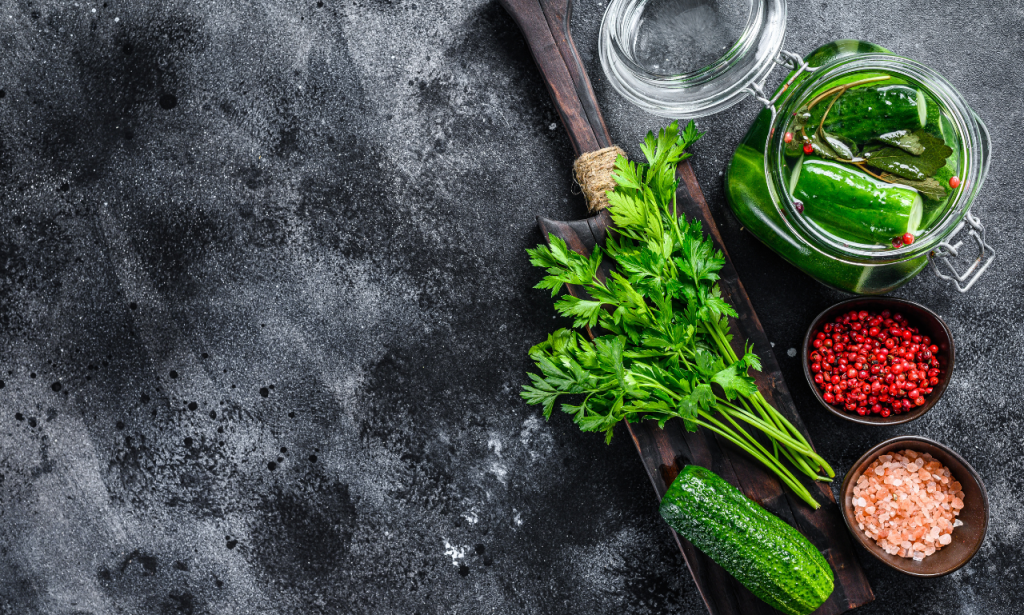
Seasoning is another common reason a dry-looking meal becomes wet during storage.
Salt affects water movement through a process associated with osmosis. When the concentration of dissolved substances outside plant cells increases, water tends to move toward the more concentrated environment.
In the kitchen, the effect is easy to observe.
Salt sliced cucumber and leave it in a bowl. Before long, droplets appear. Salt shredded cabbage and it begins to soften as liquid is drawn out. Similar principles are deliberately used when preparing foods such as coleslaw, pickles, and fermented vegetables.
The same thing can happen more slowly inside a meal-prep container.
Salty sauces, marinades, dressings, soy sauce, cheese, or heavily seasoned components may encourage vegetables to release additional moisture during storage. The problem becomes especially noticeable with cucumber, zucchini, eggplant, cabbage, tomatoes, and other water-rich produce.
Keeping certain sauces separate until serving can therefore protect texture. This is not because sauce somehow “spoils” the vegetables instantly. It simply changes the conditions surrounding their cells.
Steam Trapped in the Container Becomes Water
Sometimes the vegetables are not responsible for all the liquid at the bottom of the box. Condensation can contribute significantly.
Hot food releases water vapor. Place that food directly into a closed container and the warm, humid air becomes trapped.
As the container cools, vapor encounters colder surfaces. It condenses into droplets on the lid and walls. Those droplets eventually run downward.
The result looks like vegetable juice, although some of it is condensed steam.
This is particularly common with roasted vegetables, steamed broccoli, cooked greens, rice, pasta, and other foods packed while very hot.
Cooling food efficiently before long-term refrigerated storage can reduce this problem. However, food safety still matters. Cooked food should not be left sitting at room temperature for extended periods simply to eliminate condensation.
A practical approach is to divide food into shallow portions so heat can escape efficiently, then refrigerate it promptly. Shallow containers cool more quickly than one deep, tightly packed container.
Crowding Makes Moisture Problems Worse
A roasting tray and a storage container have something important in common: crowding changes how water behaves.
Vegetables release steam during cooking. When pieces are spread across a sufficiently large hot tray, moisture can escape and surfaces have a better opportunity to brown.
Pack the tray tightly and the environment becomes humid. Instead of roasting effectively, vegetables may partially steam in their own moisture.
That difference carries into storage.
Vegetables that were already soft and moisture-heavy when they left the oven have little chance of becoming firmer in the refrigerator.
For vegetables such as cauliflower, broccoli, carrots, Brussels sprouts, peppers, and squash, giving pieces adequate space during roasting can improve both initial texture and refrigerated performance.
A reasonably hot oven also encourages evaporation and browning. The precise temperature depends on the vegetable, piece size, recipe, and oven, so there is no single ideal number for every batch.
The objective is simpler: remove enough moisture during cooking without reducing the vegetables to mush.
Some Vegetables Naturally Store Better Than Others
Not every disappointing container represents poor technique. Plant biology matters.
Firm vegetables tend to tolerate meal preparation better because their structures remain relatively robust after cooking. Carrots, cauliflower, cabbage, Brussels sprouts, green beans, and broccoli can often retain acceptable texture for several refrigerated meals when properly prepared.
Water-rich vegetables are more temperamental.
Zucchini and summer squash can quickly become soft. Tomatoes release juice readily after cutting. Cucumbers lose crispness once salted or dressed. Mushrooms release substantial moisture during cooking. Leafy greens can wilt or become slimy when stored with excess surface moisture.
This does not mean these vegetables cannot be prepared ahead.
It means the strategy should fit the ingredient.
A sturdy roasted carrot might be cooked and seasoned completely before storage. A cucumber intended for a grain bowl may be better stored separately and combined shortly before eating.
Meal prep becomes more reliable when vegetables are treated as different biological materials rather than interchangeable side dishes.
Refrigeration Slows Change but Does Not Stop It
A refrigerator is a preservation tool, not a pause button.
Cold temperatures slow microbial growth and many chemical and biological processes. They do not restore damaged cells or reverse the structural changes caused by cooking.
During storage, vegetables continue to change. Cell membranes deteriorate. Textures soften. Moisture moves between ingredients and the air inside the container.
Temperature fluctuations can make matters worse.
A container repeatedly moved in and out of refrigeration experiences changing conditions. An overloaded refrigerator or a frequently opened door can also create temperature variation.
For most refrigerated foods, keeping the appliance at about 4°C (40°F) or below is an important food-safety practice.
Placement matters too. Storing prepared meals where they can remain consistently cold is generally preferable to keeping them in warmer, fluctuating areas such as the refrigerator door.
Wateriness alone, however, is not a reliable measure of safety. A vegetable can release liquid while still being safe to eat, and unsafe food does not always announce itself through obvious changes.
The Container Creates Its Own Microclimate
Meal-prep containers are small environments. Moisture released inside them has nowhere to disappear unless ventilation or absorbent material allows it to move elsewhere.
An airtight container has clear advantages. It limits exposure to outside air, prevents odors from moving easily between foods, and protects meals from drying excessively.
But airtight does not mean moisture-free.
If damp vegetables enter the container, that water remains inside. When warm food releases vapor, the vapor remains available for condensation. If sauce migrates into vegetables, the liquid remains part of the meal.
For raw vegetables, removing excess surface water before storage can make a substantial difference. Salad greens are a classic example. Washing is useful, but storing leaves while they are still dripping creates an unnecessarily humid environment.
A salad spinner or clean towel can remove much of that surface moisture.
For certain raw produce, a clean paper towel inside the storage container may absorb small amounts of condensation. It should be replaced if it becomes saturated.
The goal is not to dehydrate the food. It is to prevent free water from accumulating around it.
Mixing Everything Together Accelerates Texture Loss
The convenience of a fully assembled container can work against texture.
Imagine a bowl containing roasted peppers, cucumber, chicken, rice, feta, and dressing. Each component contains different amounts of water, salt, fat, and dissolved substances.
Once they touch, those differences begin to matter.
Dressing coats cut vegetables. Salt moves through available moisture. Rice may absorb some liquid. Cucumbers release more. Warm components can generate condensation if the meal was assembled too soon after cooking.
By lunchtime several days later, the bowl has effectively become a small mixing experiment.
Separating ingredients can help.
Dressings and wet sauces are obvious candidates for their own small containers. Raw cucumber or tomato can also be kept away from cooked ingredients when texture matters. Cooked vegetables should generally be cool before being combined with cold components.
This approach requires slightly more assembly at mealtime, but it often produces a noticeably fresher result.
Better Meal Prep Starts Before the Fridge
Preventing watery vegetables is easier than trying to repair them afterward.
Start by considering the vegetable itself. High-moisture produce may need shorter storage periods or later preparation. Firmer vegetables can usually handle advance cooking more successfully.
Then consider the cooking method.
Roast in a single layer rather than overcrowding the tray. Sauté vegetables in batches when necessary. Drain boiled or blanched vegetables thoroughly. Allow steam to escape from freshly cooked produce rather than immediately trapping it beneath a sealed lid.
Seasoning can also be timed strategically. Salt is essential for flavor, but vegetables particularly prone to releasing water may hold their texture better when some seasoning or dressing is added closer to serving.
Surface moisture deserves attention as well. Washed raw vegetables should be reasonably dry before storage.
Finally, prepare realistic quantities. Making seven days of delicate cooked zucchini may save preparation time on Sunday but deliver increasingly poor texture later in the week. Sometimes the best meal-prep technique is simply preparing a smaller second batch.
Reheating Can Either Help or Hurt
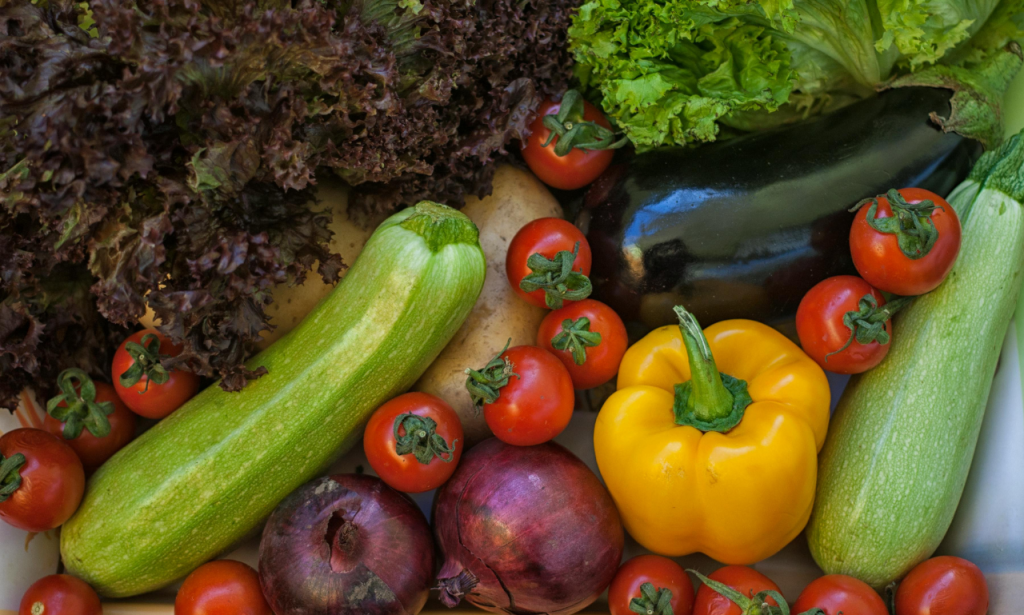
Refrigerated vegetables often seem wetter because liquid has collected around them during storage. Reheating gives some of that moisture another chance to evaporate.
The method matters.
A microwave heats quickly, but food sits inside a relatively enclosed environment. Released steam can condense again, especially when the container is covered tightly.
A skillet offers more evaporation. Reheating vegetables over moderate or moderately high heat can drive away excess moisture while restoring some surface browning.
An oven or air fryer can serve a similar purpose for roasted vegetables.
There are limits. Once plant tissue has become extremely soft, reheating cannot rebuild its original cell structure. Aggressive heating may simply remove water while making the vegetable even softer.
For vegetables already swimming in liquid, draining the free moisture before reheating can help. The objective is to improve the eating experience, not cook the vegetables a second time from scratch.
Conclusion
Good meal prep depends as much on managing moisture as it does on choosing recipes. Vegetables remain living plant tissues until cooking transforms them, and their cellular structure continues to influence what happens inside a container days later.
The most effective approach is therefore selective rather than rigid. Roast sturdy vegetables thoroughly enough to shed excess moisture. Keep delicate raw ingredients dry and separate. Delay salty dressings when texture matters, cool cooked food efficiently, and avoid expecting every vegetable to survive the same storage schedule.
Once you understand why meal prep vegetables become watery in the fridge, the puddle at the bottom of the container becomes useful information. It can point to trapped steam, cellular damage, salt, overcrowded cooking, excess surface water, or simply an ingredient that was prepared too far in advance. Adjusting that one weak point is usually more effective than changing the entire meal-prep routine.
Also Read: Why Meal Prep Chicken Becomes Rubbery?
FAQs
Zucchini contains a large amount of water and has relatively delicate tissue. Cutting, cooking, salting, and refrigerated storage all make it easier for that moisture to escape.
They should be cooled efficiently and refrigerated promptly rather than left at room temperature for long periods. Using shallow portions helps heat and steam escape faster while supporting safe cooling.
It can help some raw vegetables by absorbing small amounts of surface moisture and condensation. It is less useful for heavily cooked vegetables actively releasing substantial liquid.
Often, yes. Moisture release can be a normal result of storage and does not automatically indicate spoilage. Food safety depends on factors including storage temperature, time, handling, and signs of deterioration rather than wateriness alone.
