

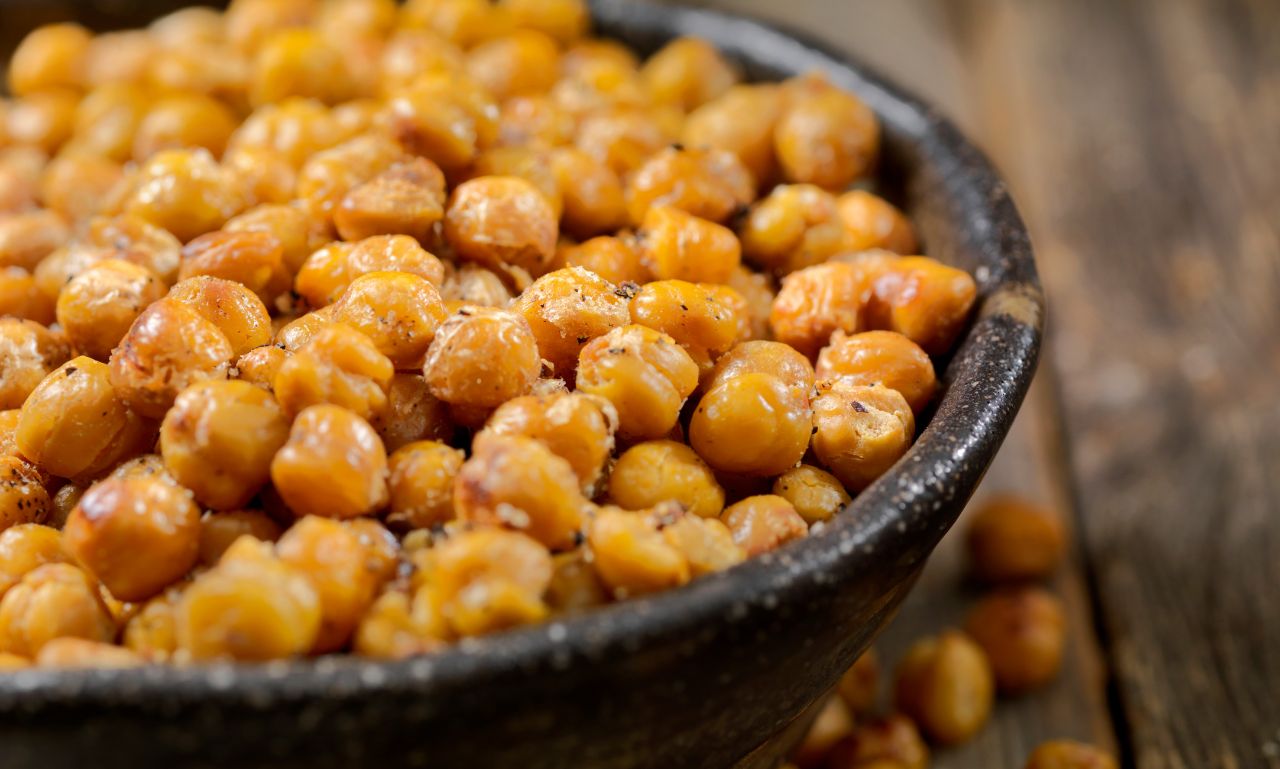
Meal prep can save money, reduce stress, and make healthy eating easier. Still, one problem keeps popping up: crispy food rarely stays crispy for long.
You spend time roasting potatoes until they turn golden. The chicken comes out crunchy and perfect. Then two days later, everything tastes soft and lifeless straight from the fridge. It is frustrating, especially when you were actually excited to eat it.
Here is the good news, though. Some foods naturally hold their crunch better than others. A few simple kitchen habits can also make a huge difference.
Restaurant kitchens deal with this issue every day. Fast-casual chains, meal delivery companies, and even sports bars use techniques designed to keep texture intact longer. The same ideas work at home, too.
If you love meal prep but hate soggy leftovers, this guide will help you keep that crispy texture around much longer.
Why Some Foods Stay Crispy Longer Than Others
Crispy food comes down to one thing more than anything else: moisture.
When food is cooked at high heat, water evaporates from the surface. That process creates the golden, crunchy texture people crave. Think about roasted potatoes, fried chicken, or crispy tofu. The outside dries out enough to form a crust while the inside stays tender.
Problems begin when moisture returns.
Steam trapped inside containers slowly softens the crispy layer. That is why last night’s fries often taste disappointing the next day. The texture changes because moisture returns to the crust during storage.
Starches also play a huge role. Potatoes, breadcrumbs, rice flour, and cornstarch create coatings that stay crisp longer because they dry well during cooking. This is one reason restaurant fries usually contain a starch coating that most people never notice.
Cooking methods matter too. High-heat roasting and air frying remove moisture quickly. Slow cooking does the opposite. Foods prepared with dry heat generally hold up better during meal prep.
Air circulation is another overlooked factor. Professional kitchens rarely place hot food directly into sealed containers. They let it cool first because trapped steam ruins texture fast.
Reheating changes everything as well. Ovens and air fryers bring back crispiness by removing moisture again. Microwaves create steam, which softens food almost instantly.
Once you understand how moisture works, keeping food crispy becomes far less complicated.
Common Meal Prep Mistakes That Ruin Crispy Foods
One mistake ruins crispy meal prep more than anything else: sealing food while it is still hot.
Steam builds inside the container immediately. A few hours later, your crunchy chicken coating feels soft and damp.
Another issue comes from overcrowded containers. Food stacked tightly together traps moisture between layers. Roasted vegetables especially suffer when packed this way.
Many people also make the mistake of mixing sauces too early. Tossing crispy chicken in buffalo sauce before storage guarantees sogginess later. Keeping sauces separate until serving changes the entire result.
Improper refrigeration causes problems, too. A crowded fridge limits airflow, leading to uneven cooling and increased condensation around containers.
Then comes reheating. Most people use microwaves because they are fast. Unfortunately, microwaves heat water molecules quickly, creating steam inside the food. Crispy coatings usually lose their texture within minutes.
Small changes solve most of these problems. Let food cool before storing it. Use shallow containers instead of deep ones. Reheat with dry heat whenever possible.
Simple habits often work better than expensive kitchen gadgets.
Best Foods That Stay Crispy During Meal Prep
Vegetables and Plant-Based Foods That Hold Their Crunch
Not all vegetables turn soggy after refrigeration. Some actually hold texture surprisingly well.
Roasted chickpeas are probably one of the best examples. Their low moisture content helps them stay crunchy for several days when stored properly. They also work as snacks, salad toppings, or quick protein boosts.
Carrots perform well because they are naturally dense. Roasting them at high heat caramelizes the edges while keeping the inside firm enough for reheating later.
Cabbage is another underrated option. Roasted cabbage wedges develop crispy edges that remain intact much longer than those of softer vegetables like zucchini or eggplant.
Kale chips remain popular for a reason. When baked slowly with a light coating of oil, they dry out rather than steam. That dry texture helps them stay crunchy longer during storage.
Broccoli and cauliflower also work well, especially when roasted with enough spacing on the pan. Crowding vegetables traps steam during cooking, which weakens texture before storage even begins.
Roasted potatoes probably deserve the biggest spotlight here. A light coating of cornstarch creates that crispy outer layer people associate with restaurant-style breakfast potatoes.
Snap peas hold their crunch naturally, too. Even after refrigeration, they still keep that fresh bite most people enjoy.
The preparation method matters as much as the food itself. Crispy meal prep starts long before containers enter the fridge.
Protein Foods That Stay Crispy After Storage and Reheating
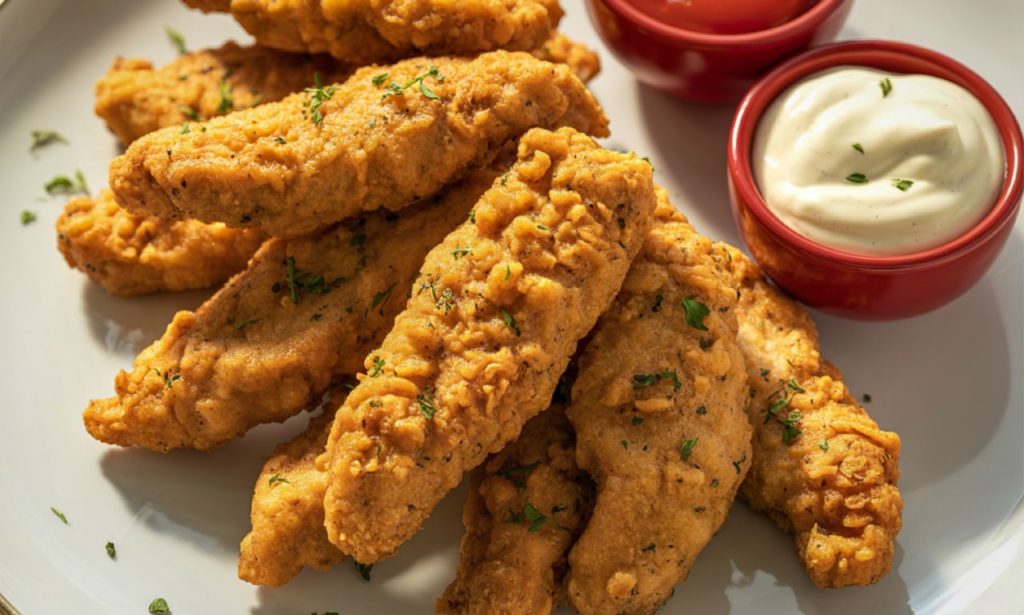
Breaded chicken remains one of the safest bets for crispy meal prep. Panko breadcrumbs create a lighter coating with more air pockets, which helps maintain crunch longer than regular breadcrumbs.
Bacon also reheats beautifully when stored correctly. Many meal preppers place paper towels inside containers to absorb excess grease and moisture. It sounds basic, but it works.
Tofu surprises a lot of people here. Pressing tofu before cooking removes extra water, helping the outside crisp properly during baking or air frying. Cornstarch coatings improve texture even more.
Turkey cutlets and fish fillets can stay crispy, too, if cooled properly before storage. Wire racks help prevent steam from collecting under the coating.
Air-fried proteins continue to grow in popularity because they use less oil while still producing crisp textures. Heavy oil coatings often soften after refrigeration, while lighter coatings hold up better.
Sauce storage matters more than almost anything else for proteins. Crispy chicken, when tossed in sauce, immediately loses texture. Keeping sauces on the side makes leftovers taste fresher and far more satisfying.
Best Cooking Methods for Crispy Meal Prep Foods
Air Frying vs Oven Baking for Long-Lasting Crispiness
Air fryers have changed meal prep for many people because they create crisp textures quickly and with little oil.
Hot air circulates rapidly around the food, removing moisture fast. Potatoes, chicken tenders, tofu, and cauliflower usually turn out especially well in air fryers.
Oven baking still deserves credit, though. Larger batches cook more evenly in the oven, making them practical for weekly meal prep.
Texture retention often depends on the type of food. Smaller foods usually crisp better in air fryers, while sheet-pan meals tend to turn out easier in traditional ovens.
Oil usage matters too. Air fryers use less oil overall, helping prevent greasy textures after refrigeration.
Convenience usually decides the winner for most people. Air fryers reheat leftovers quickly while restoring crunch almost immediately. Ovens take longer but handle larger portions better.
Truthfully, many home cooks use both depending on what they are preparing that week.
How to Reheat Meal Prep Without Losing Crunch
People ask this question constantly: how do you keep food crispy when reheating?
The answer is simple. Use dry heat.
Air fryers are one of the best tools for reheating crispy food because they remove moisture quickly. Fries, chicken, roasted vegetables, and tofu regain texture within minutes.
Toaster ovens work well, too. They heat food evenly without creating as much steam as microwaves.
Microwaves are convenient, but they struggle with crispy foods. Steam forms rapidly during reheating, softening coatings and vegetables quickly.
A stovetop skillet can also restore texture surprisingly well. Leftover potatoes and proteins often crisp back up nicely in a dry pan.
Wire racks help during reheating, too. Elevating food allows hot air to circulate beneath it, preventing soggy bottoms.
Restaurant kitchens rely on these methods daily because texture matters to customers. At home, the same approach makes leftovers feel much fresher.
Smart Storage Tips to Keep Meal Prep Foods Crispy
Best Containers and Storage Techniques for Crispy Foods
Glass containers usually work better than plastic because they resist odors and handle temperature changes more effectively.
Vented lids help release steam during cooling. Completely sealing containers too early traps moisture inside.
Paper towels make a bigger difference than most people expect. Placing them beneath foods like bacon or roasted potatoes absorbs excess moisture during refrigeration.
Divided containers also help separate crispy foods from wet ingredients, such as dressings or sauces.
Properly cooling food matters most, though. Rushing hot food into containers creates condensation almost immediately. Giving food time to breathe helps preserve its texture naturally.
Refrigerator organization plays a role, too. Overcrowded shelves reduce airflow, leading to uneven cooling and extra moisture buildup.
Sometimes the smallest details make the biggest difference during meal prep.
Should You Freeze Crispy Meal Prep Foods?
Some crispy foods freeze surprisingly well. Others lose texture completely.
Breaded chicken usually handles freezing beautifully because the coating protects the surface during storage. Hash browns and waffles also reheat well from frozen when cooked with dry heat.
Roasted potatoes can work too, especially when reheated in an air fryer or oven.
Delicate foods like kale chips are more prone to damage because freezing changes their structure, and moisture returns during thawing.
Reheating directly from frozen often produces better texture than thawing first. Slow thawing allows extra moisture to settle into the coating.
Many restaurants freeze crispy foods regularly. The key is reheating quickly at high temperatures to restore crunch before the inside dries out.
Crispy Meal Prep Ideas for Breakfast, Lunch, and Dinner
Easy Crispy Breakfast and Snack Meal Prep Ideas
Crispy breakfast potatoes remain one of the easiest meal prep wins. They reheat well and pair with almost anything.
Granola also works perfectly because low moisture keeps it crunchy for weeks. Homemade versions taste fresher and usually contain less sugar than store-bought options.
Roasted nuts make excellent grab-and-go snacks. A little seasoning transforms them into something seriously addictive.
Crunchy wraps work surprisingly well, too, when ingredients stay separate until serving. Nobody enjoys a soggy tortilla halfway through lunch.
Homemade crackers, crispy chickpeas, and bacon egg bites also fit busy mornings nicely because they travel well and require little reheating.
Honestly, crunchy breakfast food makes mornings feel slightly less chaotic.
Healthy Crispy Lunch and Dinner Recipes for Weekly Meal Prep
Meal prep bowls with crispy chicken remain popular because they balance convenience with texture.
Air-fried tofu rice bowls offer a lighter option without sacrificing crunch. The contrast between crispy tofu and warm rice feels satisfying without being too heavy.
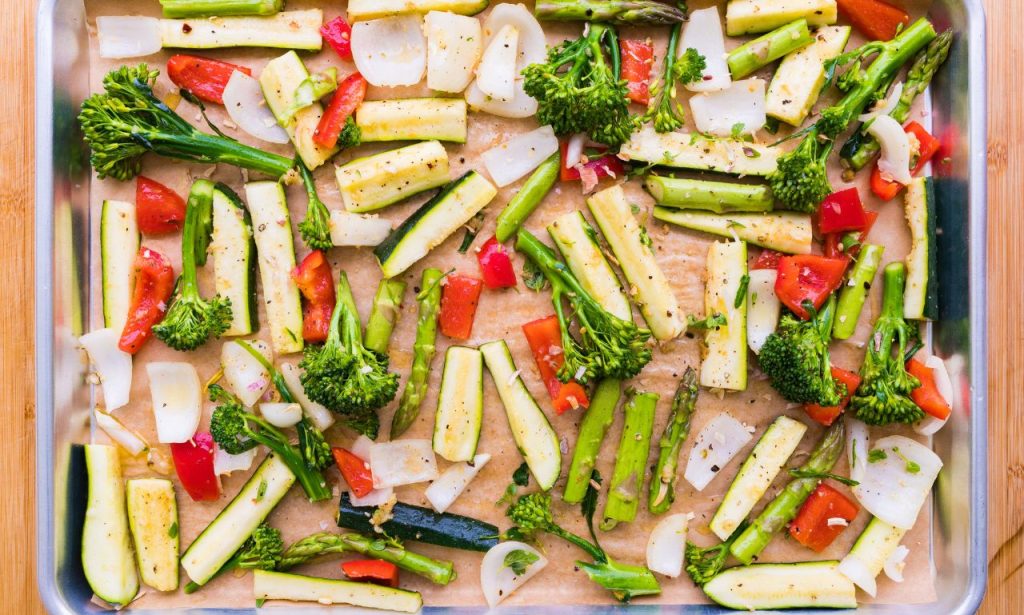
Roasted vegetable trays also simplify lunches and dinners. Broccoli, cauliflower, carrots, and cabbage all hold texture surprisingly well after reheating.
Crispy tacos can work for meal prep, too, if the fillings and shells stay separate until serving time.
Oven-baked tenders remain family favorites because they feel comforting without excessive grease.
Salads also benefit from crunchy toppings. Roasted chickpeas, nuts, or baked tortilla strips instantly improve flavor and texture.
A little crunch can make healthy eating feel far more enjoyable.
Also Read: Can You Cook Pasta in Broth Instead of Water?
Conclusion
Meal prep does not have to mean soft, boring leftovers.
Best Foods That Stay Crispy During Meal Prep usually share a few important qualities. They contain less moisture, respond well to dry-heat cooking, and store properly with adequate airflow.
Small changes can completely improve your results. Cooling food before storage, separating sauces, and reheating with an oven or an air fryer all help preserve texture longer.
And honestly, crispy food feels more satisfying to eat.
Once you get the process right, meal prep becomes something you actually look forward to, not something you tolerate.
FAQs
Roasted chickpeas, breaded chicken, bacon, roasted potatoes, and kale chips usually hold their crunch the best.
Yes. Microwaves create steam quickly, which softens crispy coatings and vegetables.
Restaurants use airflow, wire racks, and high-temperature reheating to reduce moisture buildup.
Yes. Breaded chicken, waffles, hash browns, and roasted potatoes freeze very well.
