

Meal prep sounds simple until you open a container on Thursday and wonder, “Is this rice still okay to eat?”
Almost everyone who meal preps has faced that moment. Rice is cheap, filling, and easy to pair with chicken, vegetables, curry, or stir-fry. That’s exactly why it ends up in millions of meal prep containers every single week. Still, rice can become unsafe faster than many people think if it isn’t stored properly.
One college student shared on Reddit how they meal-prepped rice for seven days straight, only to end up with stomach cramps halfway through the week. The rice looked perfectly normal. No smell. No mold. Nothing obvious. Food safety experts say this happens more often than people realize because cooked rice can carry bacteria that survive even after cooking.
So, How Long Can Cooked Rice Stay in Meal Prep Containers? The short answer is about 3 to 4 days in the refrigerator when stored correctly. But there’s a lot more to the story.
Let’s break it down in a practical, real-world way that actually helps you keep your meals safe and fresh.
How Long Does Cooked Rice Last in Meal Prep Containers?
The Safe Storage Timeline for Refrigerated Cooked Rice
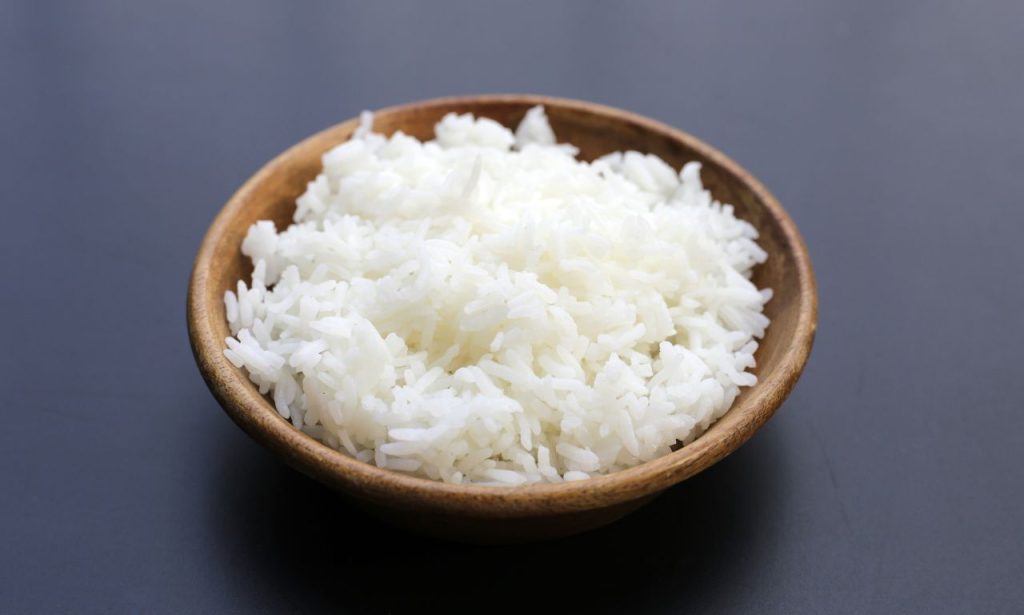
Cooked rice typically stays safe in meal prep containers for around 3 to 4 days in the refrigerator. The USDA recommends keeping refrigerated foods below 40°F because bacteria grow rapidly above that temperature.
Here’s where things get tricky. Rice isn’t like bread or crackers. Uncooked rice can naturally contain spores of the bacterium Bacillus cereus. Cooking destroys most bacteria, but these spores can survive heat. If rice sits out too long after cooking, those spores may multiply and create toxins that reheating won’t remove.
That’s why timing matters so much.
If your rice finishes cooking at 6 p.m., it shouldn’t still be sitting on the counter at 9 p.m., waiting to cool. Many people do this without realizing the risk. Professional kitchens move much faster because they know rice enters the “danger zone” quickly.
A good rule? Refrigerate cooked rice within one to two hours. If the weather is especially hot, do it even sooner.
Meal prep containers also help portion rice properly. Instead of reheating one huge batch all week, you can grab a single serving and leave the rest untouched. That small habit keeps the remaining rice fresher longer.
Signs Your Meal Prep Rice Has Gone Bad
Spoiled rice doesn’t always announce itself loudly.
Sometimes the warning signs are obvious, like visible mold or a sour smell. Other times, the clues are subtle enough to miss during a busy morning rush.
Fresh rice usually smells neutral. Once it starts smelling funky, stale, or slightly fermented, something’s wrong. Texture matters too. Slimy rice should never be eaten. The same goes for rice that develops unusual discoloration or sticky clumps that feel wetter than normal.
Dryness can also be a sign. Rice naturally hardens in the fridge over time, but extremely dry or crusty rice often means it has been stored too long.
One mistake people make constantly is tasting questionable rice “just to see.” That gamble isn’t worth it. Food poisoning from Bacillus cereus can lead to nausea, vomiting, diarrhea, and stomach cramps within hours.
If your instincts tell you something feels off, trust them.
The Best Way to Store Cooked Rice for Meal Prep
Choosing the Right Meal Prep Containers for Rice Storage
Not all meal prep containers work the same way.
Cheap containers with loose lids often let air inside, drying out the rice faster. Airtight containers lock in moisture while reducing exposure to outside bacteria.
Glass containers are popular for a reason. They hold temperature better, don’t absorb odors, and reheat evenly in the microwave. Many people who meal prep weekly eventually switch to glass because plastic containers can stain and warp over time.
Still, BPA-free plastic containers work perfectly fine if you’re trying to save money. The biggest thing to look for is a strong seal.
Portion size also changes everything. Large containers cool slowly, creating a breeding ground for bacteria in the center. Smaller portions cool faster and stay fresher throughout the week.
Fitness trainers and busy parents often prep rice this way because it simplifies daily meals. Open the container, heat it, and move on with your day. No extra scooping or reheating required.
How to Cool Cooked Rice Properly Before Refrigeration
Properly cooling rice is where many meal-prep routines fall apart.
A giant pot of steaming rice traps heat for a long time. Putting it directly into the refrigerator may raise the fridge’s internal temperature, which can affect nearby foods as well.
Instead, spread the rice into shallow containers so heat can escape faster. Some people even place rice on a baking tray for a few minutes before portioning it into meal prep containers.
Restaurants use rapid-cooling methods because bacteria multiply rapidly between 40°F and 140°F. Food safety experts call this range the “danger zone.”
Another small trick helps more than people expect: avoid stacking warm containers tightly together in the fridge. Air circulation matters. Giving the containers space allows cold air to reach the rice faster, cooling it faster.
It may sound overly cautious, but these habits dramatically reduce the risk of foodborne illness.
Can You Freeze Cooked Rice for Longer Storage?
How Long Cooked Rice Lasts in the Freezer
Freezing rice can make meal prep much easier.
Cooked rice generally lasts up to two months in the freezer without major quality loss. Technically, it can remain safe longer, but its texture and flavor usually begin to change after that point.
Busy households constantly rely on frozen rice. Parents freeze portions for school lunches. Gym-goers batch-cook rice during weekends to avoid cooking every night after work.
White rice freezes especially well because it contains fewer oils than brown rice. Brown rice tends to develop off-flavors more quickly due to its natural fat content.
For best results, freeze rice shortly after cooking and cooling it. Remove as much air as possible from freezer bags to prevent freezer burn.
Label your containers, too. Everyone thinks they’ll remember when they froze something. Then suddenly, there are six mystery containers sitting in the freezer.
The Best Methods for Reheating Frozen or Refrigerated Rice
Nobody wants dry, crunchy reheated rice.
The microwave remains the easiest option for most people. Add a spoonful of water before heating, then loosely cover the container. That extra moisture creates steam and softens the rice beautifully.
Stovetop reheating works well, too, especially for larger servings. A little water or broth keeps the texture from becoming stiff and chewy.
Rice should always reach 165°F when reheated. Uneven heating leaves cold spots where bacteria can survive.
One important habit often gets overlooked: reheat only the portion you plan to eat. Reheating the same rice repeatedly increases the risk of contamination each time.
Think about it this way. Rice handles temperature swings about as well as ice cream in a hot car.
Common Mistakes That Make Meal Prep Rice Unsafe
Why Leaving Cooked Rice Out Too Long Is Risky
Many people leave rice sitting out because life gets busy.
You finish dinner, answer emails, scroll social media, and suddenly, two or three hours disappear. Unfortunately, bacteria love those conditions.
The USDA’s “2-hour rule” exists for a reason. Perishable foods should not be left at room temperature for more than 2 hours. If temperatures rise above 90°F, that window drops to one hour.
Rice becomes risky because bacteria multiply quickly in warm, moist environments. Even worse, contaminated rice may still look and smell perfectly fine.
Buffets and takeout counters often struggle with this issue because rice sits exposed for extended periods. That slightly sour taste you notice in old takeout rice sometimes points to improper holding temperatures.
Quick refrigeration matters far more than most people realize.
Mistakes People Make When Reheating Cooked Rice
Reheating mistakes ruin plenty of meal prep plans.
One common problem is unevenly microwaving rice. The edges become scorching hot while the center stays cold. Stirring halfway through reheating solves this issue quickly.
Another mistake involves thawing frozen rice on the kitchen counter. Safe thawing should occur in the refrigerator or during reheating.
Some people also store leftover reheated rice again for later meals. That repeated cooling and reheating cycle dramatically increases the risk of bacterial growth.
And then there’s the classic mistake everyone makes at least once: forgetting a meal prep container in the car overnight. At that point, it belongs in the trash, no matter how expensive the ingredients were.
Conclusion
Meal prepping rice can save time, reduce stress, and make healthy eating easier during busy weeks. Still, proper storage matters just as much as cooking itself.
Understanding How Long Cooked Rice Can Stay in Meal Prep Containers? helps you avoid wasted food and prevent food poisoning at the same time. Most refrigerated rice remains safe for about 3 to 4 days when quickly cooled and properly stored. Freezing extra portions can stretch your meal prep routine even further without sacrificing quality.
Small habits make the biggest difference. Cool rice fast, use airtight containers, refrigerate promptly, and avoid reheating the same portion repeatedly.
Your future self opening that Thursday lunch container will definitely appreciate the effort.
Also Read: Can You Freeze Overnight Oats Successfully?
FAQs
Most food safety experts recommend eating refrigerated rice within 3 to 4 days.
Yes, once the rice cools properly, it can be frozen right away.
Cold air removes moisture from rice over time, especially in airtight containers.
Yes, spoiled rice may contain harmful bacteria that can cause food poisoning.
