

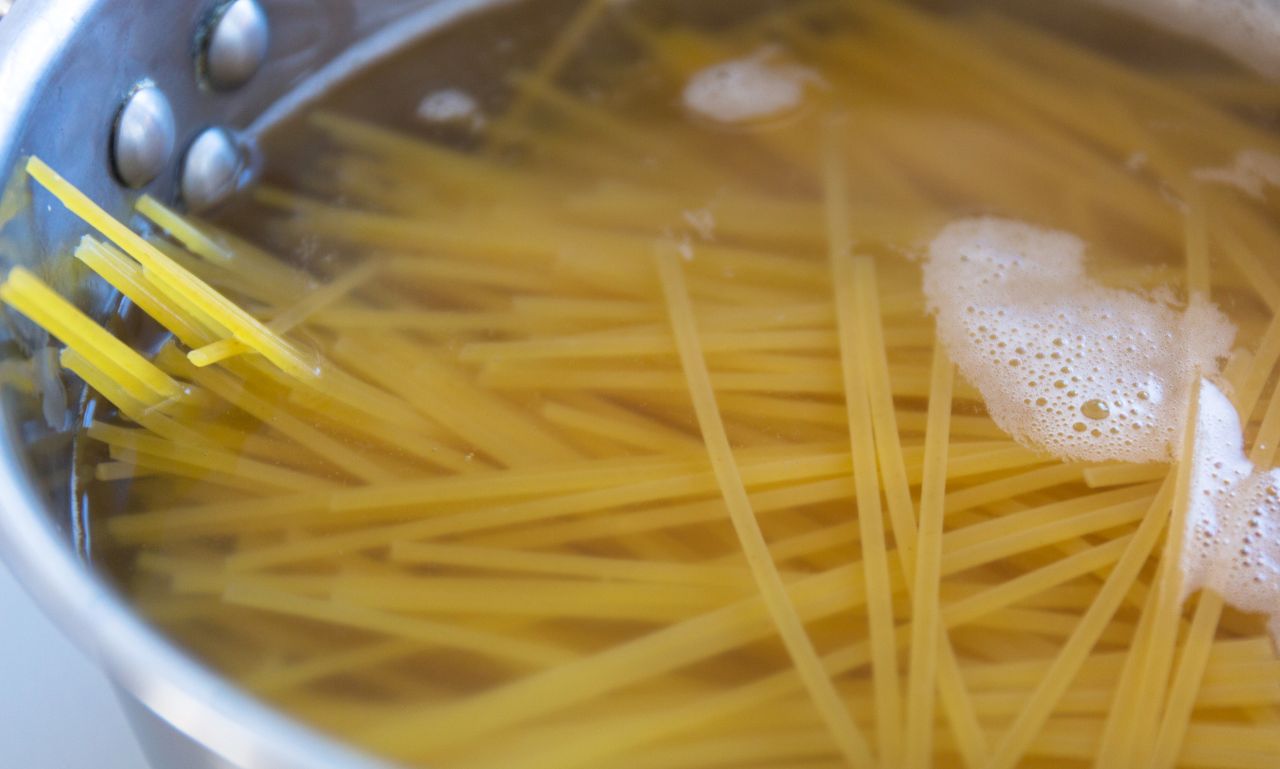
Most people cook pasta the same way they learned growing up. Fill a pot with water, add salt, boil the noodles, and move on with life. It works. Nobody complains.
But here’s the thing. Water doesn’t really add flavor.
That’s why more home cooks and restaurant chefs are turning to broth instead. Chicken broth, vegetable stock, and bone broth are becoming secret weapons for pasta dishes that taste richer without much extra work.
So, can you cook pasta in broth instead of water?
Yes, you absolutely can. In fact, once you try it, regular boiled pasta may start tasting a little plain.
Cooking pasta in broth gives the noodles flavor from the inside out. Every bite tastes fuller, warmer, and more comforting. It’s one of those simple kitchen tricks that feels oddly underrated.
Still, there are a few things you should know before tossing spaghetti into a pot of stock. Some broths work better than others. Certain pasta shapes shine more than others, too.
Let’s get into it.
How Cooking Pasta in Broth Changes Flavor and Texture
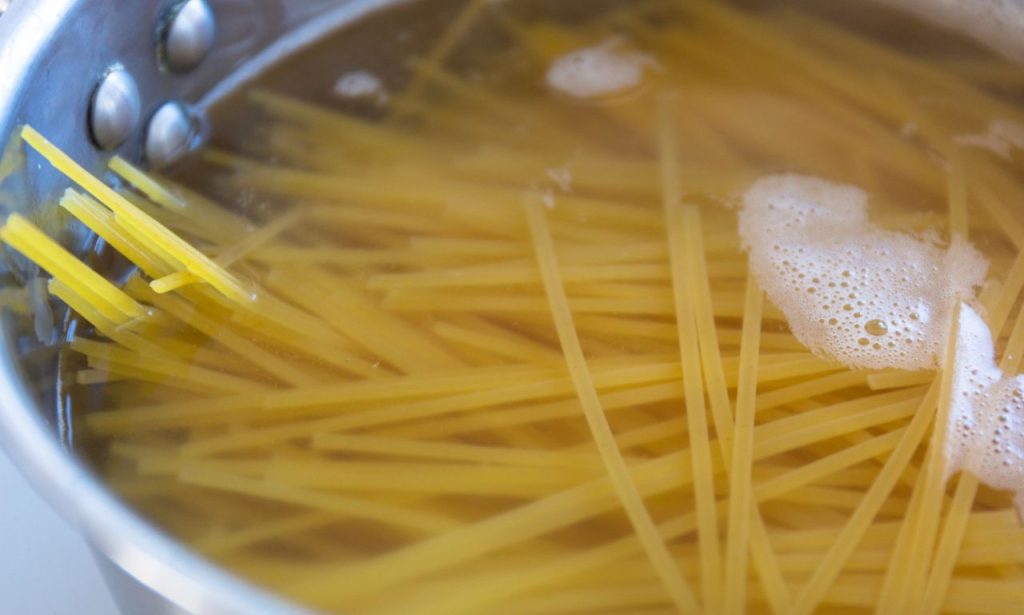
The flavor difference is immediate.
Water hydrates pasta. Broth seasons it while it cooks. Chicken broth adds savory depth to noodles. Vegetable stock adds freshness and herbs. Beef broth creates a richer, almost slow-cooked flavor.
Texture changes, too.
As the pasta cooks in broth, the starch blends into the liquid rather than being drained away. That combination creates a smoother and creamier consistency. It’s similar to what happens with risotto.
Ever notice how restaurant pasta often tastes silkier than homemade versions? This is one reason why.
Broth cooking also helps lighter sauces feel more satisfying. A simple garlic butter pasta suddenly tastes layered and restaurant-quality without needing a ton of cheese or cream.
That said, not every dish benefits equally. Some recipes need a cleaner, lighter pasta base.
Is Broth Better Than Water for Different Types of Pasta?
Short pasta shapes usually work best.
Penne, fusilli, shells, and rigatoni absorb broth beautifully because their shapes trap flavor inside every curve. Smaller soup pasta like ditalini or orzo also performs really well.
Long noodles can work too, but they need more attention. Spaghetti tends to stick together if you don’t stir often enough.
Dry pasta generally gives better results than fresh pasta. Since dry noodles take longer to cook, they absorb more flavor from the broth. Fresh pasta cooks so quickly that it doesn’t absorb as much liquid.
Creamy dishes benefit most from cooking in broth. Alfredo-style sauces, parmesan pasta, or chicken-based recipes gain extra depth without feeling heavy.
Cold pasta salads, however, usually taste better with traditionally boiled pasta, as the broth’s flavor can overpower fresh ingredients.
What Type of Broth Works Best for Cooking Pasta?
Not all broths taste the same, and choosing the right one matters more than people think.
A strong broth can completely shape the final dish. A weak one can leave everything tasting flat.
Professional chefs usually match the broth to the sauce’s ingredients. That little detail changes everything.
Using Chicken, Beef, Vegetable, and Bone Broth for Pasta
Chicken broth is the safest and most versatile choice. It works with creamy sauces, garlic-butter pasta, chicken recipes, and even simple Parmesan noodles.
Beef broth adds a deeper, richer flavor. It pairs nicely with mushrooms, beef dishes, or tomato-based sauces that need richness.
Vegetable broth feels lighter and brighter. It works especially well for vegetarian pasta dishes loaded with herbs, spinach, tomatoes, or roasted vegetables.
Bone broth has become popular recently because of its protein and collagen content. Fitness-focused cooks love using it in comfort meals because it adds nutrition without much change to the cooking process.
A friend of mine started using bone broth during marathon training because she wanted more protein in easy meals. She swears her weeknight pasta tastes better now than takeout ever did.
Flavor matters, but balance matters too. Strong broth can dominate delicate ingredients if you are not careful.
Store-Bought vs Homemade Broth
Homemade broth usually tastes better. There’s no way around it.
When stock simmers for hours with vegetables, herbs, and bones, the flavor becomes deeper and more natural. Many restaurants still make fresh broth daily because boxed versions rarely match its complexity.
Still, store-bought broth works perfectly fine for most people.
The key is choosing quality brands with lower sodium. Some packaged broths are extremely salty, and pasta quickly absorbs all that seasoning.
If your broth tastes bland, try adding garlic, onions, Parmesan rinds, or fresh herbs before cooking the pasta. Small additions make a huge difference.
Honestly, even decent grocery-store broth can create fantastic pasta when paired with the right ingredients.
How to Cook Pasta in Broth the Right Way
Cooking pasta in broth is easy, but small mistakes can quickly ruin the texture.
Too little liquid creates sticky noodles. Too much liquid leaves the dish watery and weak.
Once you understand the balance, though, the process becomes second nature.
Step-by-Step Method for Cooking Pasta Directly in Broth
Start by pouring broth into a large skillet or pot. Bring it to a gentle boil instead of a violent rolling boil.
Add the dry pasta directly into the broth. Stir often, especially during the first few minutes. Pasta likes sticking together when ignored.
As the noodles cook, the broth slowly thickens as starch is released. That’s exactly what you want.
If the liquid reduces too quickly, add a splash of broth or water a little at a time. Avoid dumping too much in at once because it weakens the flavor.
Taste the pasta before adding extra salt. Broth already contains seasoning, so you may not need much.
Once the noodles reach al dente, stir in cheese, butter, herbs, cream, or vegetables, depending on the recipe.
That’s it. One pot. Less cleanup. More flavor.
Common Mistakes to Avoid When Cooking Pasta in Broth
The biggest mistake is oversalting.
Many people automatically salt pasta water out of habit, but broth already carries sodium. One extra pinch can push the entire dish too far.
Another problem comes from overcrowding the pot. Pasta needs room to move while cooking.
Leaving the pasta unattended also causes trouble. Broth thickens faster than water, so stirring matters more here.
Cheap broth can become an issue, too. Thin or artificially flavored stock yields disappointing results, no matter how good the pasta is.
And finally, avoid overcooking. Pasta sitting too long in hot broth quickly softens.
Nobody wants mushy spaghetti. Not even on a rough Monday.
What Are the Benefits and Drawbacks of Cooking Pasta in Broth?
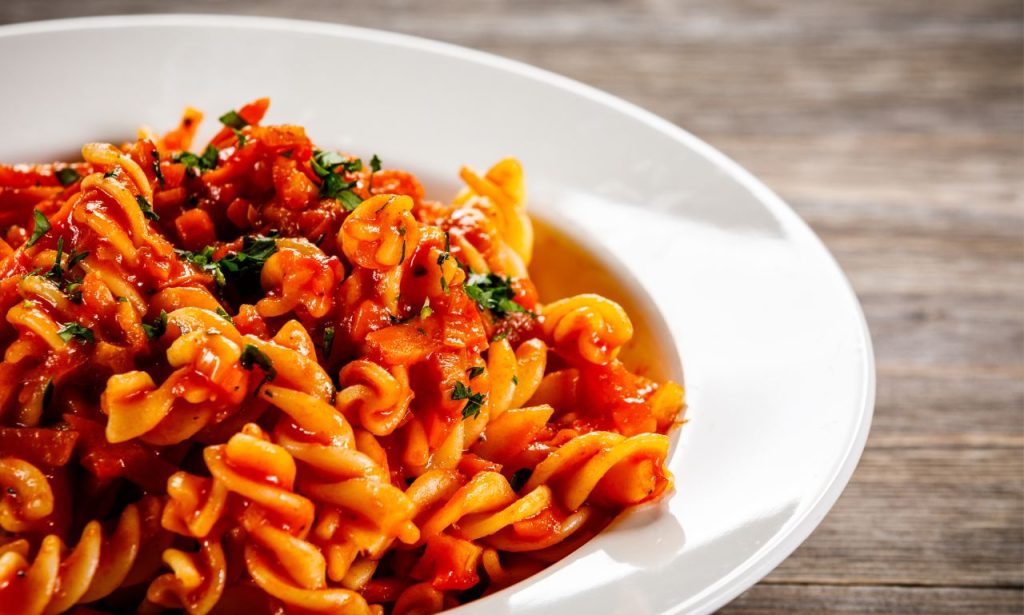
Like most cooking techniques, broth pasta has pros and cons.
For many people, the flavor upgrade alone makes it worth trying.
Nutritional Benefits and Added Depth of Flavor
Broth adds more nutrients than plain water.
Bone broth contains protein and collagen. Vegetable broth carries vitamins from simmered vegetables. Homemade stock often includes minerals and natural gelatin, too.
The nutritional boost is not massive, but it’s still a nice bonus.
Flavor becomes the bigger win. Pasta cooked in broth tastes layered and comforting without depending heavily on cream or butter.
That’s why many lighter pasta recipes still feel satisfying when cooked this way.
If you are trying to make quick dinners taste homemade, broth helps a lot.
Potential Downsides: Saltiness, Starch, and Cost
Broth costs more than water. That part is unavoidable.
Using several cups of pasta every time you make it can add up, especially for larger families.
Saltiness can also become tricky. Some boxed broths contain extremely high levels of sodium. Without tasting carefully, the final dish may end up overpowering.
Texture changes slightly, too. Broth-cooked pasta feels thicker and starchier because the cooking liquid stays in the dish.
Some people love that richness. Others prefer lighter noodles.
It really depends on the recipe and personal preference.
Best Pasta Recipes and Related Cooking Tips Using Broth
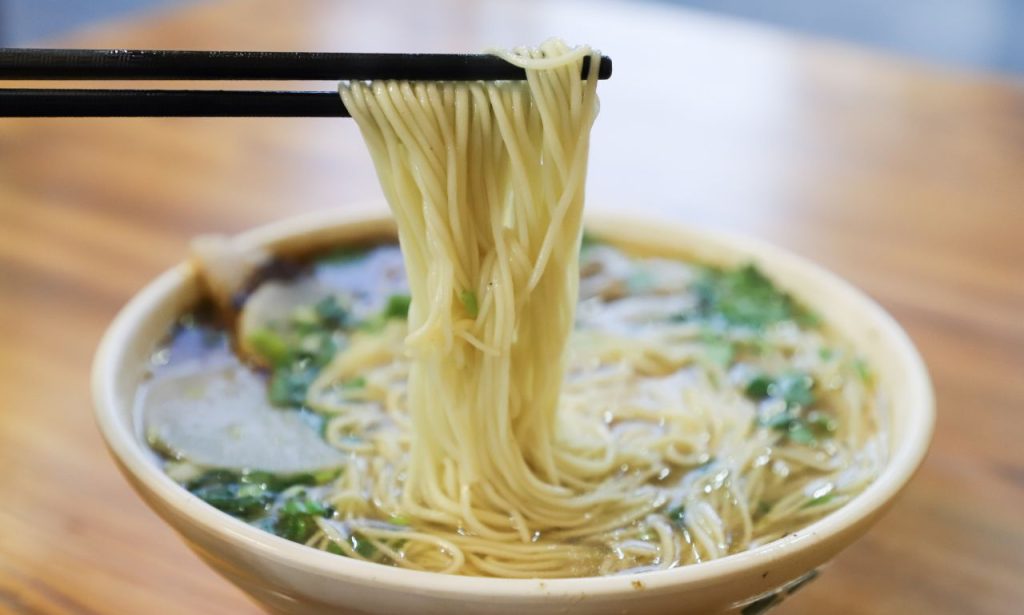
Certain pasta dishes practically come alive when cooked in broth.
One-pot recipes especially benefit because the liquid becomes part of the sauce rather than being drained away.
One-Pot Pasta Recipes That Use Broth Instead of Water
Creamy garlic parmesan pasta is one of the best examples. Chicken broth creates a savory base that makes the sauce richer with little effort.
Tomato basil pasta also works beautifully with vegetable broth. The added depth balances the tomatoes’ acidity.
Chicken noodle soup remains a classic because the pasta absorbs flavor directly from the broth as it cooks.
Mushroom pasta cooked in beef broth tastes incredibly comforting during colder months. Add thyme and parmesan, and it honestly feels restaurant-worthy.
Busy parents love broth pasta because cleanup stays simple. One pot means fewer dishes sitting in the sink afterward.
And let’s be honest. That alone feels like a win sometimes.
Conclusion
Can You Cook Pasta in Broth Instead of Water? Absolutely, and it can completely change how your pasta tastes.
Broth adds flavor, richness, and comfort without complicating the cooking process. It’s one of those simple tricks that makes homemade meals feel more thoughtful and satisfying.
The key is choosing the right broth, tasting carefully, and avoiding overcooking.
If you’ve never tried it before, start with a simple one-pot pasta recipe. You may end up wondering why you spent years boiling noodles in plain water.
Also Read: Which Foods Stay Crispy the Longest During Meal Prep?
FAQs
Most people find broth-cooked pasta richer and more flavorful than pasta cooked in water.
Chicken broth is the most versatile, but vegetable and beef broth also work well.
Yes, especially if the broth is high in sodium. Taste before adding extra salt.
It can provide extra nutrients and protein, particularly when using bone broth or homemade stock.
