

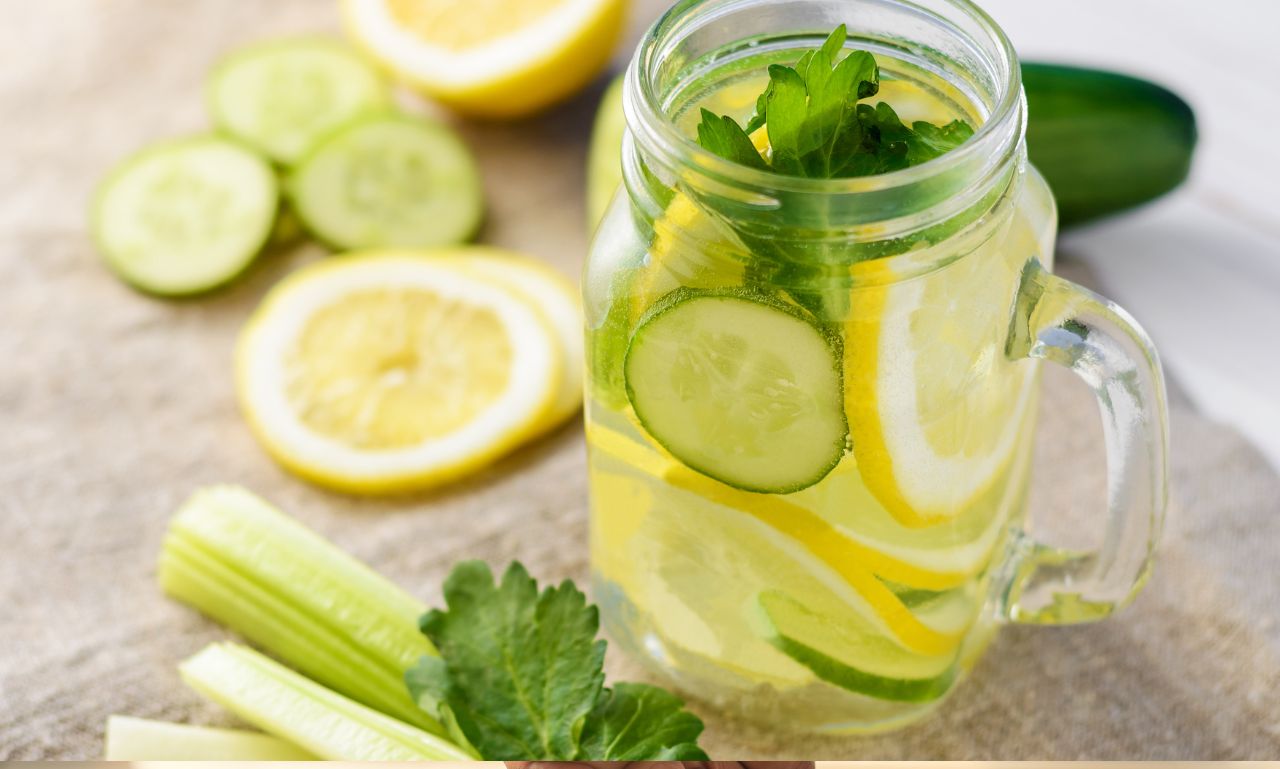
Staying hydrated feels easier when water actually tastes good. That’s why fruit-infused water has become a daily habit for people who want something refreshing without added sugar or artificial flavors. The best fruits for naturally flavored water add subtle sweetness, fresh aroma, and a cleaner finish that plain water often lacks.
Some combinations are bright and citrusy, while others feel cooling, herbal, or slightly sweet. The right mix can turn a simple glass of water into something you genuinely look forward to drinking throughout the day.
Why Fruit Infused Water Has Become So Popular
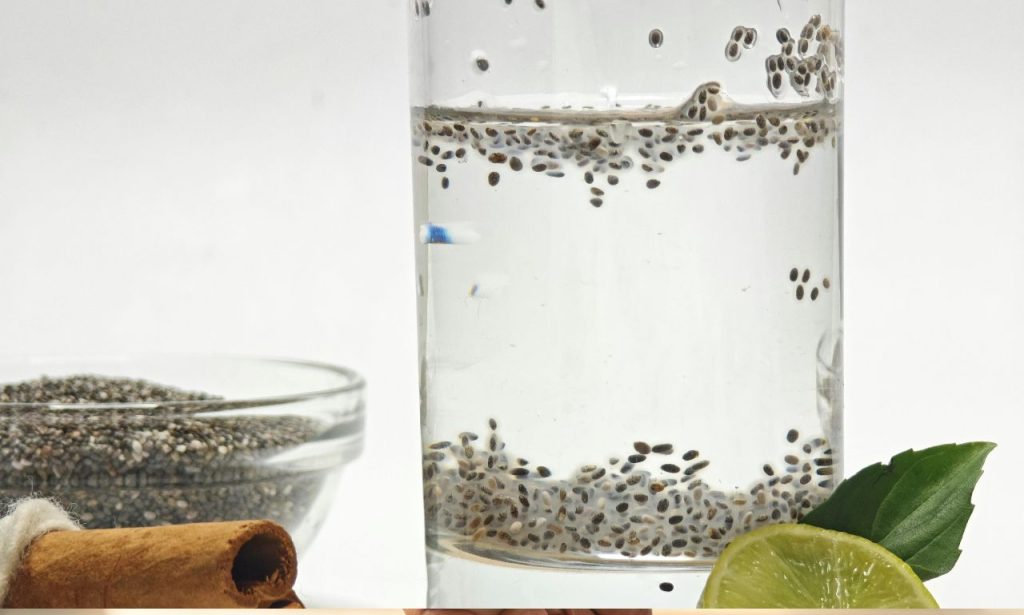
Fruit infused water offers flavor without the heaviness of juice or soda. It gives water a fresh taste while keeping calories extremely low, making it a practical choice for people trying to cut back on sugary drinks.
Another reason people enjoy infused water is variety. Small changes in fruit, herbs, or spices completely change the flavor profile. Lemon feels crisp and energizing, while berries create a softer sweetness. Ginger adds warmth, and herbs like mint or rosemary bring a clean finish that bottled flavored waters rarely match.
There’s also the visual appeal. A pitcher filled with sliced citrus, berries, and herbs looks fresh and inviting, especially during warm weather or gatherings.
Cucumber Lime Mint
Cucumber, lime, and mint create one of the most refreshing infused water blends. The cucumber gives the water a crisp and cooling taste, while lime adds brightness and a slight tang. Mint finishes the blend with a clean herbal note that lingers lightly after each sip.
This combination works especially well during hot afternoons or after workouts because it feels light and hydrating rather than overly sweet. Letting the mixture sit for at least two hours allows the mint oils and lime juice to naturally soften into the water.
For a stronger flavor, lightly crush the mint leaves before adding them to the pitcher.
Cucumber Lemon Blueberry
Blueberries bring a subtle sweetness that beautifully balances the tartness of lemon. Combined with cucumber, the result tastes delicate and refreshing rather than overpowering.
This infusion tends to develop slowly, so it benefits from longer refrigeration. Leaving it overnight creates a fuller berry flavor without making the water cloudy or heavy.
Many people prefer this combination because it feels softer than citrus-heavy infusions. It’s ideal for those who want flavored water with a smoother finish.
Strawberry Basil Lemon
Strawberries naturally release sweetness into water, especially when sliced thinly. Lemon sharpens the flavor, while basil adds an unexpected herbal depth that makes the drink feel more sophisticated.
The basil should remain subtle rather than dominant. Too much can overpower the strawberries quickly, so a few leaves are usually enough for a large pitcher.
This blend works particularly well for brunches, summer lunches, or afternoon hydration because it feels vibrant without tasting sugary.
Grape Orange Ginger Thyme
Grapes add gentle sweetness and body to infused water. Orange brings citrus oils and brightness, while ginger introduces mild spice and warmth. Thyme ties everything together with an earthy aroma.
This combination tastes more layered than simpler fruit waters. It works well during cooler seasons when mint-based infusions may feel too sharp or cold.
Thin slices of fresh ginger work best because they release flavor gradually without becoming overwhelming. Allowing this blend to infuse overnight creates a deeper and more balanced taste.
Apple Orange Cinnamon
Apple, orange, and cinnamon create a flavor that feels warm and familiar even when served cold. The apples add mellow sweetness, while orange lifts the flavor with acidity and fragrance.
Cinnamon sticks slowly infuse the water with subtle spice. Ground cinnamon should be avoided because it clouds the water and settles unpleasantly at the bottom.
This is one of the best fruits for naturally flavored water during autumn and winter. It gives hydration a more seasonal feel without requiring sweeteners.
Strawberry Mint Ginger
Strawberries and mint already work well together, but ginger adds extra complexity. The spice cuts through the sweetness and keeps the water tasting clean rather than syrupy.
This infusion tends to become more flavorful after several hours. If the ginger flavor becomes too strong, removing the slices after two hours usually keeps the balance right.
People who struggle to drink enough water often enjoy this combination because the flavors feel more noticeable without becoming artificial.
Cranberry Grapefruit Rosemary
Cranberries and grapefruit create a sharp, refreshing flavor that feels especially crisp over ice. Rosemary adds a subtle pine-like aroma that makes the drink feel more refined.
Fresh cranberries work best when lightly crushed before infusion. This helps release flavor into the water faster. Grapefruit slices should include some peel because much of the citrus aroma comes from the oils in the rind.
This combination suits people who prefer tart drinks over sweet ones.
How To Make Fruit Infused Water
Making fruit-infused water is simple, but a few small details make a noticeable difference in flavor.
Start with cold filtered water whenever possible. Clean-tasting water allows the fruit flavors to stand out more clearly. Add sliced fruits, herbs, and optional spices to a glass pitcher or large jar. Refrigerate the mixture and allow time for the ingredients to release their natural oils and juices.
Most fruit waters taste best within 24 hours, although citrus-based blends can remain flavorful for longer.
Ice should ideally be added right before serving rather than during infusion because melting ice can dilute the flavor too early.
Preparing Your Fruit for Infusion
Fresh, ripe fruit produces noticeably better infused water. Overripe fruit tends to become mushy quickly, while underripe fruit releases less flavor.
Wash all ingredients thoroughly before slicing. Citrus fruits should be scrubbed gently because the peels often remain in the water during infusion.
Cutting fruit into thinner slices increases surface area and helps flavors develop faster. Berries can be lightly pressed to release juices, but crushing them too much may create cloudy water.
Fresh herbs should be rinsed and gently bruised by hand to help release natural oils.
How Long to Infuse for Optimal Flavor
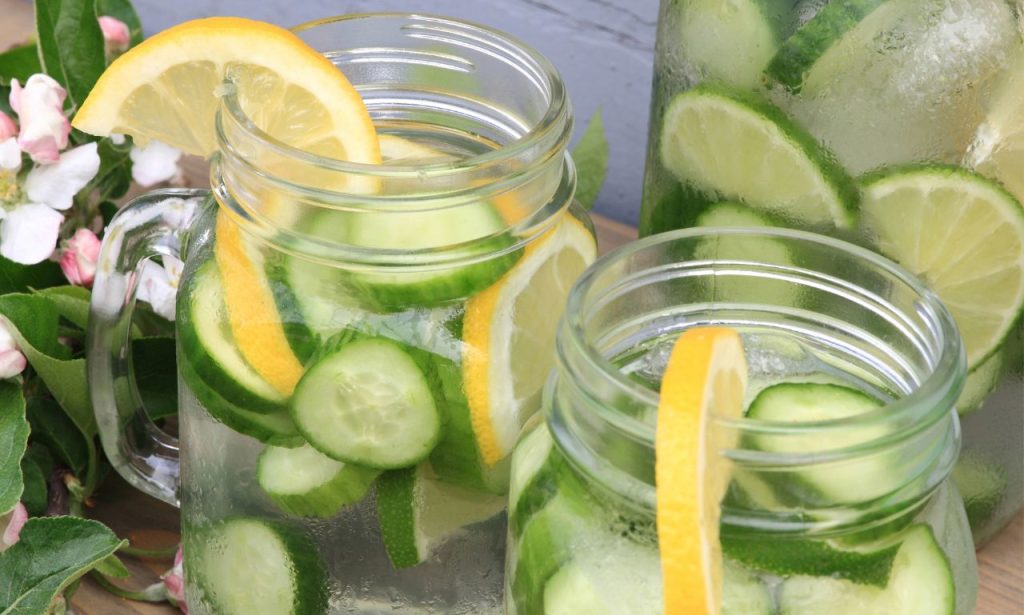
Different ingredients release flavor at different speeds. Citrus fruits begin infusing within an hour, while berries and apples often need longer.
For most combinations, two to four hours creates balanced flavor. Overnight infusion produces stronger taste but can sometimes make citrus peels slightly bitter.
Herbs like mint and basil may become overpowering if left too long, so removing them after several hours can help maintain balance.
Here’s a general guideline for infusion timing:
Ingredient Type Suggested Infusion Time
Citrus fruits 1 to 4 hours
Berries 4 to 12 hours
Cucumbers 2 to 6 hours
Herbs 1 to 3 hours
Ginger and spices 2 to 8 hours
Common Mistakes That Affect Flavor
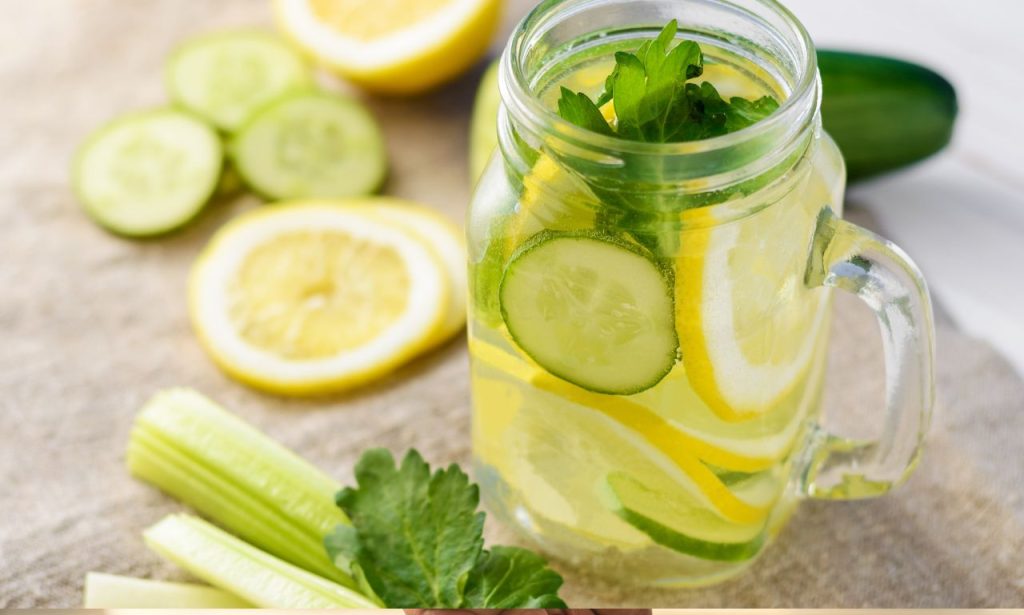
One of the biggest mistakes is using too much fruit. Overloading the pitcher can make the water taste muddled instead of refreshing.
Another common issue is leaving ingredients in the water for too long. Citrus rinds may impart bitterness after prolonged soaking, especially with lemons and limes.
Using poor-quality water also significantly changes the final taste. Filtered water usually produces cleaner, brighter flavors.
Finally, avoid adding sugar unless necessary. The natural flavors develop more clearly without sweeteners masking them.
Conclusion
The best fruits for naturally flavored water create a simple way to make hydration more enjoyable without relying on sugar-filled drinks. Whether you prefer bright citrus blends, cooling cucumber combinations, or richer flavors with herbs and spices, infused water offers endless variety with very little effort.
Small ingredient changes can completely shift the drink’s taste and mood. That flexibility is what makes fruit-infused water practical for daily hydration, entertaining guests, or simply making plain water feel more refreshing.
Also Read: How to Make Café-Style Cold Foam at Home Like a Barista
FAQs
Yes, but the second batch will usually have milder flavor. Citrus and cucumbers often hold up better for reuse than berries.
Fruit-infused water typically contains far less sugar and fewer calories than juice, while still offering natural flavor.
Yes. Refrigeration keeps the water fresh and prevents fruit from spoiling too quickly.
Frozen fruit works well, especially berries and citrus. It can also help keep the water cold longer.
