

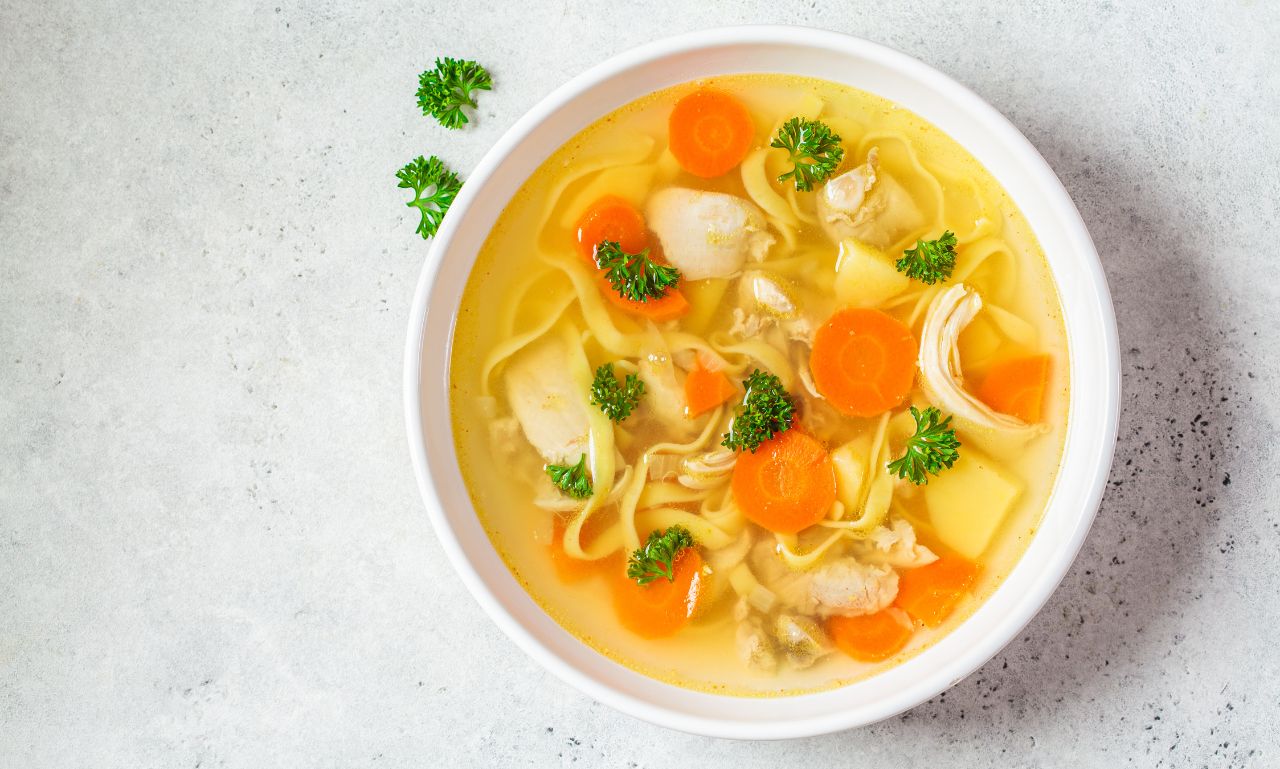
You taste your soup, pause for a second, then immediately reach for a glass of water. Yeah, we’ve all been there.
One tiny extra shake of salt can turn a comforting homemade soup into something that tastes like ocean water. The frustrating part? Most people think the entire pot is ruined. It is not.
Even experienced cooks sometimes mess this up. A salty broth, canned ingredients, or reduced stock can sneak up on you fast. One minute, the soup tastes balanced, and twenty minutes later, it feels way too salty.
Here’s the good news. You do not need potatoes to fix it.
Despite what many people believe, potatoes are not some magical salt sponge. Food scientists and chefs have tested this for years. Potatoes mainly absorb water, not sodium specifically. So if you are looking for practical ways to rescue dinner, smarter options are already in your kitchen.
This guide breaks down how to Fix Overly Salty Soup Without Potatoes using simple methods that actually work. You will also learn why soup becomes salty in the first place and how to stop it from happening again.
Why Soup Becomes Too Salty in the First Place
Most salty soups are not caused by a single mistake. Usually, several small things pile up during cooking.
Common Cooking Mistakes That Lead to Over-Salted Soup
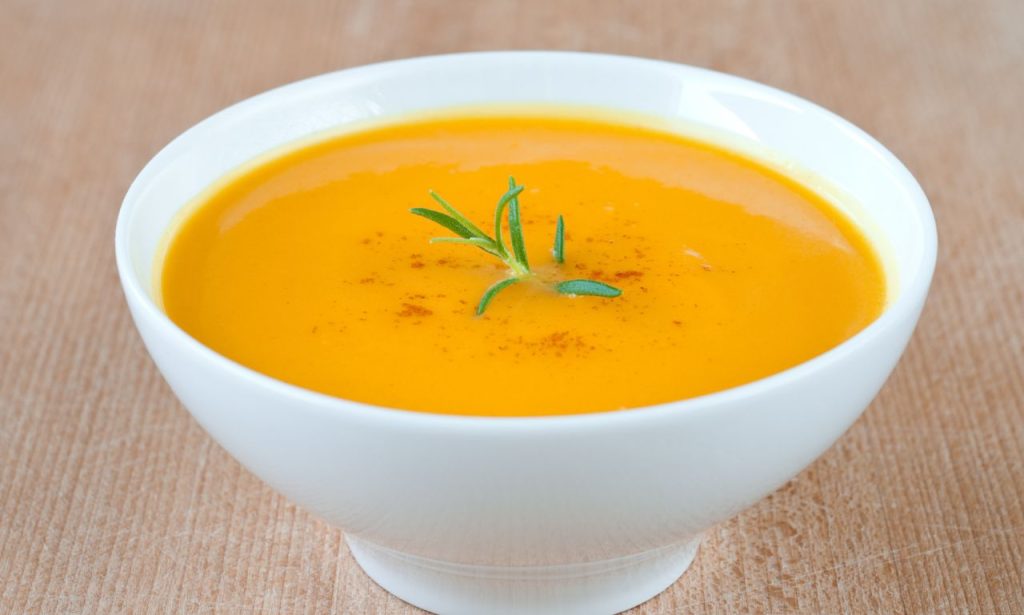
One of the biggest problems starts with seasoning too early.
Soup changes as it cooks. Liquid evaporates, flavors intensify, and salt becomes more concentrated. A soup that tastes fine after thirty minutes may become overpowering after simmering for another hour.
Store-bought ingredients also create trouble. Broth, bouillon cubes, canned vegetables, soy sauce, and seasoning packets often contain far more sodium than people realize. Add table salt on top of all that, and things spiral quickly.
A chef once joked during a cooking interview that “new cooks salt with confidence instead of caution.” Honestly, that line sticks because it is painfully accurate.
Another issue comes from tasting soup while it is piping hot. Heat dulls your taste buds. Once the soup cools slightly, the real salt level suddenly becomes obvious. That is why many restaurant chefs let soups settle for a minute before tasting.
Cooking while distracted does not help either. Maybe you are answering texts, helping kids with homework, or watching a football game while stirring the pot. Suddenly, you forget that you already added salt.
Happens more often than people admit.
How Different Ingredients Affect Salt Levels in Soup
Some ingredients quietly increase sodium without drawing attention.
Cheese, bacon, sausage, canned beans, miso paste, and soy sauce all add significant salt to the soup. Even packaged frozen vegetables sometimes contain added sodium.
Broth is another major culprit. Certain brands pack over 800 milligrams of sodium into a single cup. If your recipe calls for several cups, the numbers rise quickly.
Reduction makes things even stronger. As the soup simmers, water evaporates, leaving the salt behind. Think of it like reducing pasta sauce. Everything becomes more concentrated.
Soy sauce deserves special mention, too. A small splash adds incredible flavor, but it can push soup over the edge fast. The same goes for Worcestershire sauce and fish sauce.
Once you understand how salt builds during cooking, fixing the problem becomes much easier.
Best Ways to Fix Salty Soup Without Using Potatoes
Before dumping your soup down the sink, try a few simple fixes. Most salty soups can absolutely be saved.
How Diluting Soup with Liquid Can Balance Saltiness
This method sounds obvious, but it works incredibly well.
Adding unsalted liquid spreads sodium across a larger volume, which naturally softens the salty taste. Water works, but unsalted broth usually keeps flavor stronger.
Cream-based soups respond especially well to dilution because dairy adds richness while lowering sodium intensity.
Start small, though. Pouring in too much liquid too fast can leave the soup tasting flat and watery. Add half a cup at a time, stir well, then taste again.
Restaurant kitchens use this trick constantly. Most chefs do not throw away salty soup because dilution usually fixes the issue within minutes.
You can also stretch the soup by adding more ingredients. Rice, pasta, beans, lentils, or vegetables help absorb extra liquid while balancing flavor.
Honestly, some soups taste better after these adjustments because the texture becomes heartier and more filling.
Ingredients That Naturally Neutralize Excess Salt
Certain ingredients naturally soften salty flavors without ruining the recipe.
Rice works beautifully in brothy soups because it absorbs surrounding liquid. Bread can help too, especially in rustic vegetable soups or stews.
Carrots deserve more credit here. Their natural sweetness surprisingly balances salty flavors. Corn, onions, and squash work similarly.
Coconut milk is another underrated fix. It smooths out salty curry soups while adding a creamy texture people love.
One home cook shared online that she rescued a salty chicken soup during a family gathering by tossing in leftover cooked rice and carrots. Her guests thought the thicker texture was intentional.
Sometimes, kitchen mistakes accidentally improve recipes. Funny how that happens.
Acidic ingredients can also help shift flavor balance. A small squeeze of lemon changes how your tongue experiences salt almost instantly.
The key is to make gradual adjustments rather than panic.
Smart Ingredient Additions That Improve Flavor While Reducing Saltiness
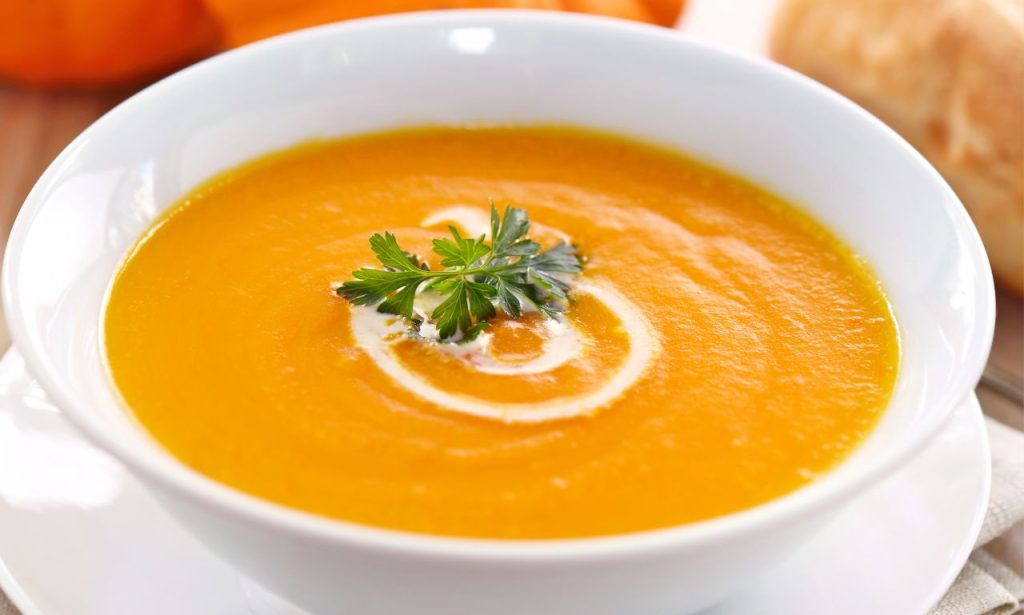
Fixing salty soup should not strip away flavor. Smart additions can actually make the dish richer and more satisfying.
How Dairy Products Can Tone Down Salty Soup
Dairy works because fat softens aggressive flavors.
Cream, milk, sour cream, and plain yogurt all mellow the salty soup while creating a smoother texture. Creamy soups especially benefit from this trick.
Tomato soup becomes silkier with cream. Spicy soups taste calmer with yogurt. Chowders taste richer when milk or half-and-half is added.
Greek yogurt works surprisingly well in spicy lentil soups, too. The tanginess balances both salt and heat.
A friend once saved an overly salty broccoli soup by stirring in cream cheese at the last second. Everyone around the table thought it was part of the recipe.
Those little rescue moments happen in kitchens every day.
Just avoid adding cold dairy directly into boiling soup. Sudden temperature changes can cause curdling, and nobody wants lumpy soup.
Using Acidic Ingredients Like Lemon Juice or Vinegar for Balance
Acid is one of the oldest cooking tricks in the book.
Lemon juice, lime juice, apple cider vinegar, and balsamic vinegar brighten soup while distracting your palate from excessive saltiness.
This works because flavor is all about balance. Acid creates contrast, making salty flavors feel less overwhelming.
Chicken soup tastes fresher with lemon juice. Tomato soup becomes deeper with balsamic vinegar. Asian soups often improve instantly with lime or rice vinegar.
Chefs rely on this constantly. Many restaurant soups include a splash of acid near the end to naturally sharpen flavor.
Still, restraint matters. Too much vinegar can turn dinner into a science experiment gone wrong.
Start with a teaspoon, stir, and taste carefully.
How to Prevent Soup from Becoming Too Salty Again
Fixing soup is helpful. Preventing the problem altogether feels even better.
When to Add Salt During the Cooking Process
Timing changes everything.
Many people season soup heavily at the beginning, but experienced cooks usually wait until later. Since soup reduces as it simmers, salt becomes more concentrated over time.
A better approach involves seasoning gradually. Add small amounts, taste often, and adjust near the end.
Another helpful trick? Taste the soup after it cools slightly. Hot soup hides saltiness more than most people realize.
Some chefs even refrigerate soup overnight before adding the final seasoning because flavors settle and deepen as the soup rests.
Sounds a little extra, maybe. But it works.
Low-Sodium Alternatives and Seasoning Tips for Better Flavor Control
Salt is not the only way to build flavor.
Fresh herbs, garlic, onions, ginger, smoked paprika, rosemary, thyme, and black pepper all add depth without overwhelming sodium levels.
Low-sodium broth also gives you more control during cooking. Instead of fighting against packaged salt, you decide how much seasoning the soup actually needs.
Fresh herbs added at the end naturally brighten the flavor, too. Basil, parsley, dill, and cilantro make soup taste fresher without relying on extra salt.
Want a surprisingly effective habit? Move the salt shaker farther away while cooking.
Seriously.
People tend to season more carefully when they pause before grabbing it. Small habits quietly improve cooking over time.
Conclusion
Learning how to Fix Overly Salty Soup Without Potatoes can save dinner and your mood at the same time.
The biggest thing to remember is this: salty soup is rarely hopeless. Most of the time, a few smart adjustments completely change the flavor. Dilution, dairy, acid, and balanced ingredients all work better than the old potato trick people swear by.
Cooking is messy sometimes. Recipes go sideways. People oversalt when multitasking or rush through dinner prep after a long day. It happens.
What matters is knowing how to recover confidently instead of starting over from scratch.
Next time your soup tastes too salty, do not panic. Grab a spoon, make small adjustments, and trust the process. You might end up with a better soup than you planned in the first place.
Also Read: Why Do Homemade Sauces Separate After Refrigeration?
FAQs
Yes, bread absorbs some liquid and may slightly reduce the salty flavor in brothy soups.
Milk and cream can soften salty flavors while making soup taste richer and smoother.
Usually, yes. Adding small amounts of water or unsalted broth quickly lowers sodium concentration.
Lemon juice does not remove salt, but it balances flavor and reduces the perception of saltiness.
Flavors continue blending overnight, and the salt can become more noticeable after resting.
