

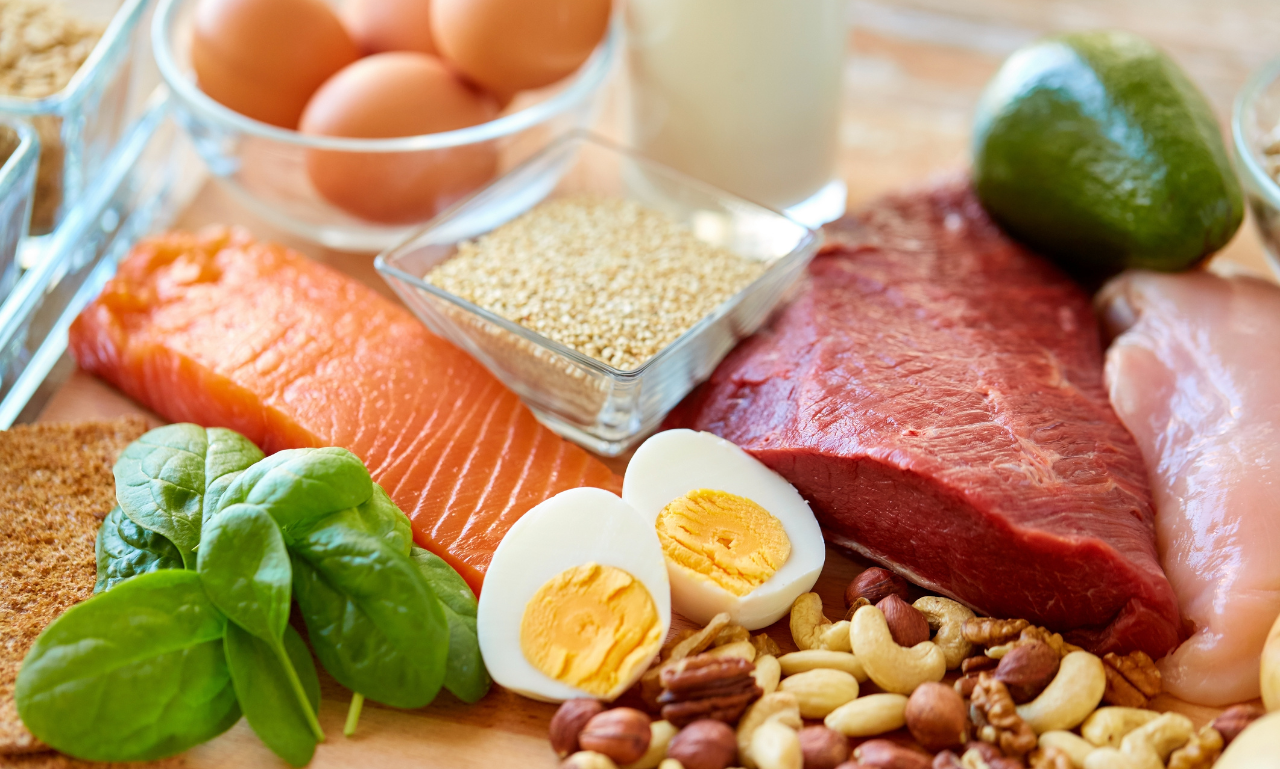
A snack can contain enough calories to seem substantial yet leave hunger returning surprisingly quickly. Another food with a similar energy content may make the next meal feel much farther away. This difference helps explain why high-protein foods keep you full longer in many situations, although protein is only one part of a much larger system involving digestion, appetite signals, fiber, food structure, and individual eating patterns.
Fullness Is More Complicated Than Calories
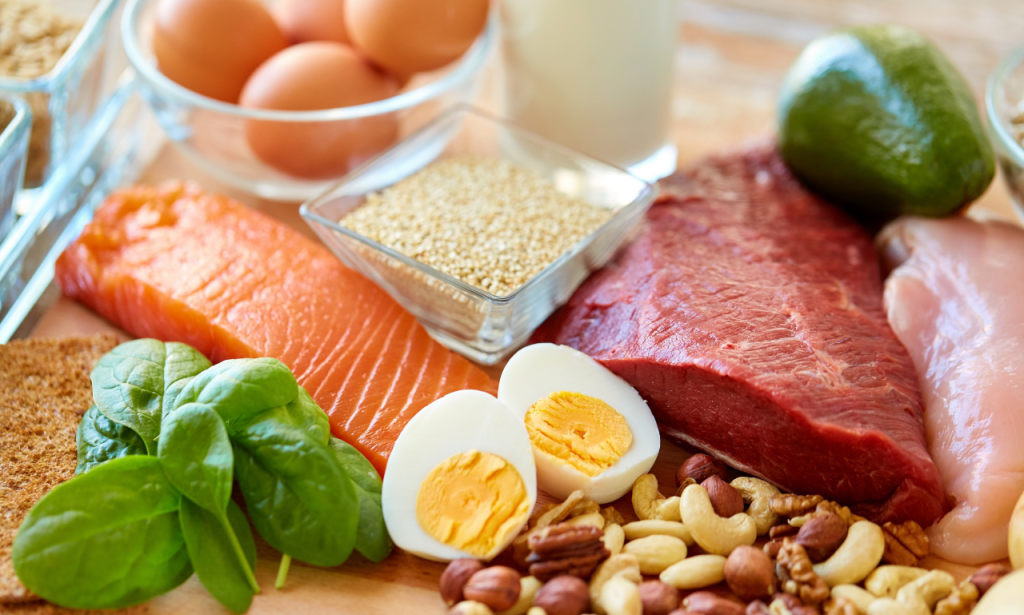
Calories describe the amount of energy food provides, but they do not perfectly predict how satisfied someone will feel afterward.
The body responds to several characteristics of a meal.
Volume matters. So do protein, fat, fiber, water content, texture, and the speed at which food is eaten and digested. Expectations and eating environment can also influence perceived satisfaction.
Two snacks with similar calorie totals can therefore produce noticeably different experiences.
A sweetened drink, for instance, may provide substantial energy without requiring much chewing or occupying the stomach for long. A solid snack containing protein and fiber can create stronger physical and physiological signals associated with fullness.
This is why evaluating food only by calories misses an important part of appetite regulation. The form and composition of those calories also influence what happens between one meal and the next.
Why High-Protein Foods Keep You Full Longer
Protein tends to have a strong satiating effect compared with many foods dominated by rapidly digested carbohydrates.
After protein is consumed, the digestive system and brain participate in a series of signals involved in appetite regulation.
The process does not operate through a single “fullness switch.” Instead, signals from the stomach, intestines, nutrients, hormones, and nervous system combine to influence whether eating continues and how quickly hunger returns.
Protein also requires considerable processing after consumption.
These characteristics can make protein-rich meals satisfying, particularly when compared with highly refined snacks that are quickly eaten and digested.
That does not mean carbohydrates inherently fail to satisfy hunger. The type of carbohydrate and the food containing it are crucial.
Beans, whole grains, fruit, and vegetables can behave very differently from sweets or highly refined snack foods.
Digestion Sends Signals to the Brain
Appetite is regulated partly through communication between the digestive system and the brain.
As food enters the stomach and intestines, mechanical and chemical signals provide information about what has been eaten.
Nutrients reaching the digestive tract can influence hormones involved in appetite and satiety. Protein is particularly effective at stimulating several of these responses.
The brain integrates those signals with other information, including stored energy, recent meals, expectations, and environmental cues.
This helps explain why fullness can continue developing after someone stops eating.
It also explains why eating extremely quickly can sometimes make it easier to consume more than intended. The meal can progress faster than some of the signals involved in satisfaction.
Slower eating does not guarantee perfect appetite control, but it gives the body’s feedback systems more opportunity to participate while the meal is still happening.
Protein Requires Energy to Process
The body does not obtain the full energy value of food without doing work.
Food must be digested, absorbed, transported, processed, and stored. These processes themselves require energy, an effect commonly described as the thermic effect of food.
Protein generally requires more energy to process than either carbohydrate or fat.
This does not turn protein into a shortcut for weight loss, and the effect should not be exaggerated. Total dietary patterns remain far more important than attempting to manipulate metabolism through one nutrient.
Still, protein’s processing requirements are one of several characteristics that distinguish it from other macronutrients.
Its satiating effect is likely better understood as the result of multiple mechanisms operating together rather than one special property.
Digestion, appetite signaling, food structure, and meal composition all contribute to the experience of staying satisfied after eating.
Refined Carbohydrate Snacks Can Be Easy to Eat Quickly
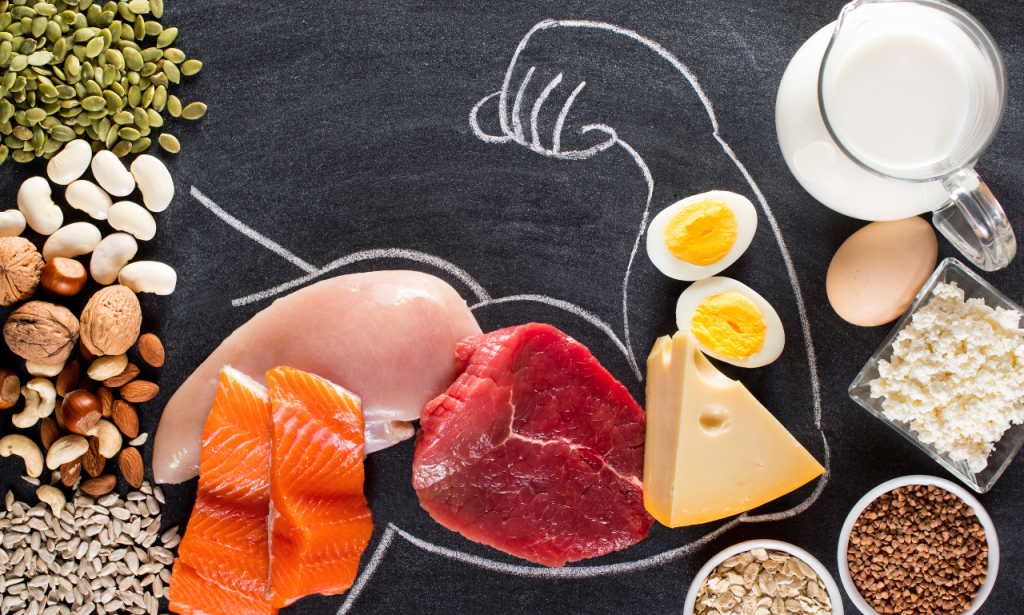
Many common snack foods are designed to be convenient and highly palatable.
Crackers, sweets, pastries, sweetened cereals, and similar products may contain refined carbohydrates while requiring relatively little chewing.
That combination can make substantial amounts easy to consume quickly.
Some are also low in fiber and water, meaning a relatively small volume can contain considerable energy.
The problem is not that carbohydrate automatically causes hunger.
Rather, some refined carbohydrate foods remove several characteristics that would otherwise contribute to satiety.
Compare a piece of whole fruit with a fruit-flavored sweet. Both may provide carbohydrate, but the whole fruit also contains water, fiber, and a physical structure that requires more chewing and digestion.
The category “carbohydrates” is therefore too broad to predict fullness on its own.
Fiber Changes How Carbohydrate Foods Behave
Fiber is one reason some carbohydrate-rich foods can be highly filling.
It adds bulk, can slow aspects of digestion, and contributes to the physical structure of many plant foods.
Whole grains, legumes, vegetables, and fruit can therefore produce a different appetite response from highly refined alternatives.
Beans illustrate why simple comparisons between “protein” and “carbs” can become misleading. They provide both protein and carbohydrate while also containing substantial fiber.
The combination can make them particularly satisfying.
This is useful when thinking about real meals.
People rarely eat isolated nutrients. They eat foods containing mixtures of protein, carbohydrates, fats, fiber, water, vitamins, minerals, and other compounds.
Satiety depends on that complete package.
A high-fiber carbohydrate food may keep someone satisfied longer than a low-fiber protein product, depending on portion size and the rest of the meal.
Solid Foods Often Satisfy Differently From Drinks
The physical form of food can influence appetite.
Calories consumed in drinks can be easy to ingest quickly, sometimes without producing the same experience of fullness as a substantial solid meal.
Chewing provides sensory information and slows consumption. Solid food also tends to remain part of the eating experience for longer.
This distinction matters when comparing snacks.
A protein-rich smoothie may be convenient and nutritious depending on its ingredients, but it does not automatically create the same satiety as chewing a meal containing comparable nutrients.
Likewise, a sugary beverage can deliver carbohydrates rapidly without the fiber and physical structure found in many whole carbohydrate foods.
Food form therefore adds another reason why macronutrient labels alone cannot predict hunger.
How a food is consumed can matter alongside what it contains.
Fat Can Extend Satisfaction Too
Protein is not the only nutrient associated with prolonged satisfaction.
Dietary fat can contribute to palatability and influence digestive processes that affect how a meal feels afterward.
Foods such as nuts, seeds, eggs, dairy products, fish, and other mixed foods can contain protein alongside varying amounts of fat.
This combination may help explain why some protein-rich foods seem particularly substantial.
Fat is energy-dense, however, so portion size still matters.
Adding large quantities of fat solely to make a meal more filling can increase its energy content considerably.
A balanced approach usually works better than attempting to maximize one nutrient.
Meals containing protein, fiber-rich carbohydrates, appropriate amounts of fat, and foods with useful volume can provide several different satiety mechanisms simultaneously.
Food Volume Helps the Stomach Register a Meal
The stomach responds partly to physical expansion.
Foods containing substantial water or bulk can occupy more space for a given amount of energy than very dense foods.
Vegetables, soups, fruit, and other water-rich foods can therefore contribute to meal satisfaction even when they are not particularly high in protein.
This creates an important practical distinction.
Increasing protein may improve satiety, but a small portion of protein alone may not feel as satisfying as a balanced meal with greater overall volume.
Combining protein with vegetables, whole grains, legumes, or fruit can produce a meal that works through several pathways.
The stomach experiences physical volume, while protein and other nutrients contribute to post-meal signals.
Fullness is usually strongest when the entire meal composition supports it rather than when one nutrient is expected to do all the work.
Breakfast Shows How Meal Composition Matters
Morning meals provide a useful illustration of how different combinations can influence appetite later.
A breakfast dominated by refined carbohydrates may be digested differently from one containing meaningful protein, fiber, and whole foods.
The difference can affect how satisfied someone feels through the morning.
That does not mean everyone needs an extremely high-protein breakfast.
Appetite varies widely. Some people naturally prefer smaller morning meals, while others need something more substantial.
The useful principle is to notice whether a meal reliably supports the period until the next planned eating occasion.
If hunger consistently returns soon after breakfast, examining its composition can be more informative than simply increasing portion size.
Adding a source of protein or fiber may improve satisfaction without requiring an entirely different eating pattern.
Protein Needs Differ From Person to Person
There is no single protein target that produces ideal fullness for everyone.
Needs vary with body size, age, activity level, overall energy intake, health status, and other factors.
Athletes and highly active people may have different requirements from sedentary adults. Older adults may also pay particular attention to obtaining adequate protein.
Medical circumstances can change recommendations further.
People with certain health conditions may receive individualized dietary guidance from healthcare professionals.
More protein is therefore not automatically better.
A diet can become unbalanced if protein is increased at the expense of fiber-rich plants or other useful foods.
The broader goal is adequate protein distributed within an overall eating pattern that supports nutritional needs.
Satiety is important, but it is only one measure of a good diet.
Highly Processed “High-Protein” Foods Are Not Automatically Filling
Protein has become a popular marketing claim.
Bars, cereals, desserts, drinks, chips, and other packaged products may prominently advertise their protein content.
That number does not tell the whole nutritional story.
A product can contain added protein while also being easy to eat quickly, low in fiber, or highly energy-dense.
Conversely, an ordinary food without a “high protein” label may provide a useful combination of protein, fiber, water, and micronutrients.
This is why comparing foods requires more than looking at the largest number printed on the package.
Ingredients, serving size, fiber, overall nutrient composition, and how the food fits into a meal all matter.
Protein content can be useful information without becoming the sole criterion for deciding whether something will be satisfying.
Hunger Is Not Controlled by Food Composition Alone
Even a nutritionally balanced meal cannot guarantee that everyone will experience hunger on the same schedule.
Sleep, physical activity, stress, medications, routine, and individual physiology can influence appetite.
A demanding workout may increase hunger. Poor sleep can alter appetite regulation and food preferences. Long gaps between meals can make a snack that is normally adequate feel insufficient.
Environment matters too.
Food cues, social situations, boredom, and habits can encourage eating even when physiological hunger is limited.
This does not make appetite imaginary.
It means hunger is produced by a system designed to integrate biological needs with the surrounding environment.
Protein can influence that system, but it does not override every other factor affecting when and why people want to eat.
Balanced Meals Usually Work Better Than Nutrient Extremes
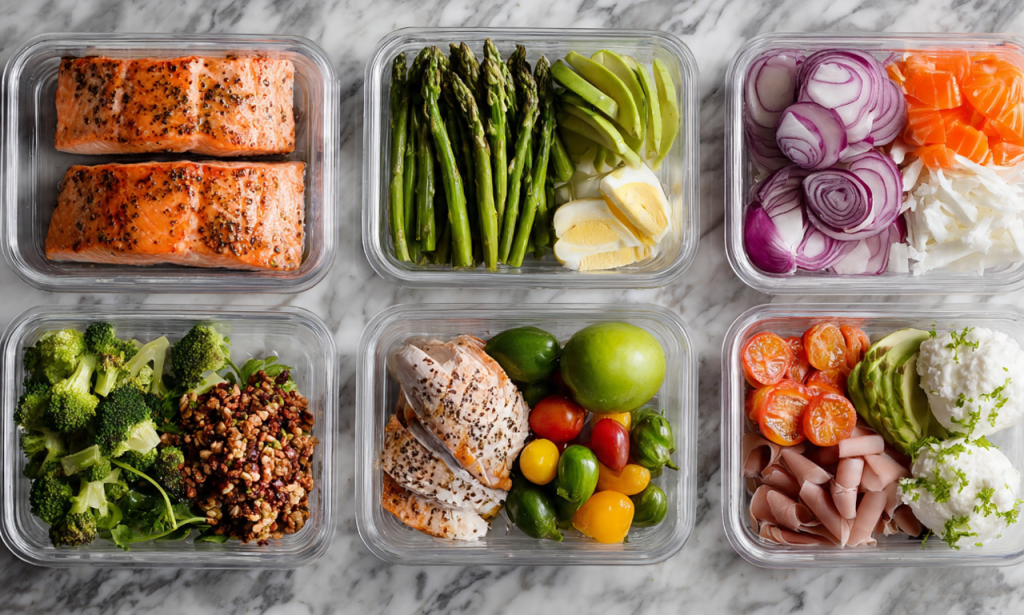
The most useful lesson from protein’s satiating effect is not that carbohydrates should be eliminated.
Carbohydrate-rich foods include vegetables, fruit, legumes, and whole grains that provide nutrients and fiber.
Instead, meals can combine complementary characteristics.
Protein may come from eggs, dairy products, fish, poultry, meat, tofu, legumes, or other sources depending on dietary preferences. Fiber-rich foods can add volume and support slower, more sustained eating.
Some dietary fat can contribute additional satisfaction.
This approach avoids turning satiety into a competition between protein and carbohydrates.
A snack containing yogurt and fruit, for example, behaves differently from either nutrient considered alone. So does a meal containing beans, vegetables, and whole grains.
Real-world appetite is shaped by combinations, not isolated macronutrients.
Conclusion
A satisfying meal does more than deliver enough energy. It creates physical, digestive, hormonal, and sensory signals that tell the brain food has arrived and reduce the urgency to eat again.
That helps explain why high-protein foods keep you full longer than many refined high-carbohydrate snacks. Protein can generate strong satiety signals, requires meaningful digestive processing, and often appears in foods that take longer to eat. Yet the comparison changes when carbohydrates come packaged with fiber, water, and intact food structure.
The more useful principle is therefore not to treat protein as the winner of a nutritional contest. Combining adequate protein with fiber-rich carbohydrates, appropriate fats, and satisfying food volume can make meals easier to sustain while providing a broader range of nutrients. Fullness is most useful when it supports a balanced diet rather than becoming the only goal of eating.
Also Read: What are the Hidden Carbs that Ruin Keto Diets?
FAQs
No. Fiber-rich carbohydrate foods can also be highly filling, especially as part of balanced meals.
Eggs, dairy, legumes, fish, meat, tofu, nuts, and other protein-containing foods can contribute to satiety.
Eggs, dairy, legumes, fish, meat, tofu, nuts, and other protein-containing foods can contribute to satiety.
Yes. Fiber can add bulk and influence digestion, helping many foods feel more satisfying.
No. Protein needs vary, and excessive focus on protein can crowd other nutritious foods out of the diet.
