

A great soup is all about texture. You can use rich broth, fresh vegetables, and perfectly cooked ingredients, but if the consistency feels too thin or overly sticky, the entire dish loses its appeal. That is why choosing the right thickener matters so much when making soup at home.
The good news is that gluten-free flours can thicken soups just as effectively as traditional wheat flour. Some create a smooth, creamy finish that works beautifully in chowders and bisques, while others are better suited for broths, stews, or slow-cooked soups. The key is understanding how each option behaves during cooking.
Why Gluten-Free Flours Work Well for Thickening Soups
How Gluten-Free Flours Affect Texture and Consistency
Soup thickening depends on starch. When gluten-free flour or starch heats in liquid, the starch granules absorb moisture and expand. That process creates body and gives the soup a richer, more satisfying texture.
Different gluten-free flours behave differently because they contain varying levels of starch and protein. Rice flour, for example, creates a mild and creamy texture that blends well into smooth soups. Arrowroot powder produces a lighter, glossy finish that works well in delicate broths. Chickpea flour contains more protein, so it creates a heartier texture with a slightly nutty flavor.
Absorbency also plays a major role. Potato starch thickens quickly and creates a velvety consistency, but using too much can make soup overly thick or sticky. Tapioca flour adds richness and elasticity, though excessive cooking may create a texture that feels too gummy.
Why Many People Prefer Gluten-Free Soup Thickeners
Many people choose gluten-free thickeners because of celiac disease or gluten sensitivity. Others avoid wheat due to allergies or dietary preferences. Gluten-free cooking has also become increasingly popular among people following grain-free, paleo, or plant-based lifestyles.
As a result, gluten-free thickeners are now commonly used in everything from homemade comfort soups to restaurant-quality bisques. They allow cooks to create rich textures without sacrificing flavor or dietary needs.
Best Gluten-Free Flours for Thickening Soups
Rice Flour, Cornstarch, and Arrowroot Powder
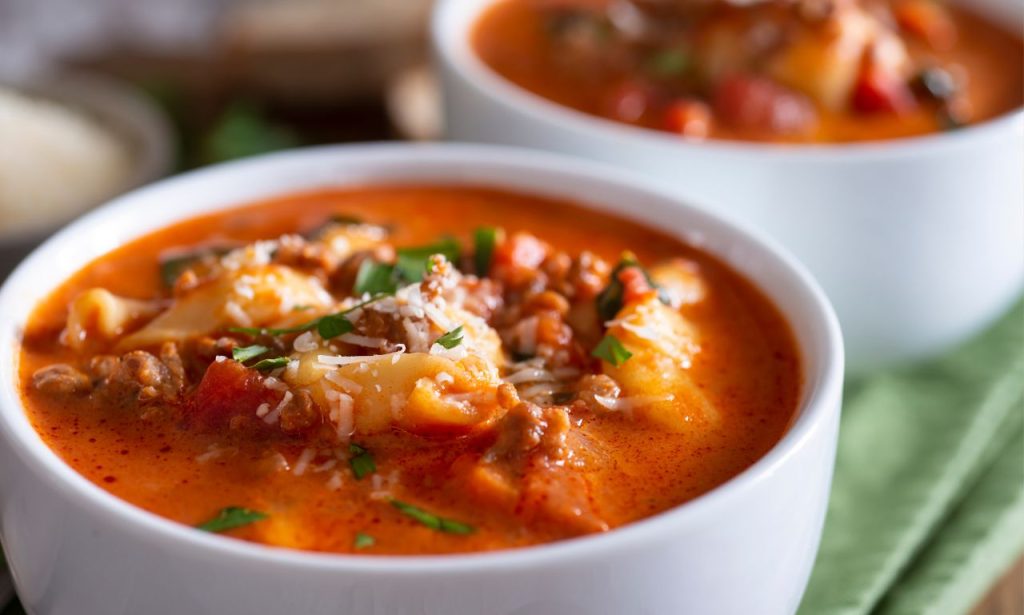
Rice flour is one of the most reliable options for thickening soup. It has a neutral flavor and creates a smooth, creamy texture without overpowering the dish. It works especially well in chowders, cream soups, and gravies because it behaves similarly to traditional flour during cooking.
Cornstarch thickens much faster and creates a glossy appearance. It is ideal for broth-based soups because it keeps the liquid smooth without making it feel heavy. Many Asian-style soups rely on cornstarch to achieve that silky consistency.
Arrowroot powder has become increasingly popular because it thickens at lower temperatures and produces a clean, smooth finish. It also freezes better than cornstarch, making it useful for meal-prep soups. However, boiling arrowroot too aggressively in dairy-heavy soups can reduce its effectiveness.
Tapioca Flour, Potato Starch, and Chickpea Flour
Tapioca flour works especially well in soups that need a silky and rich texture. Many dairy-free and vegan soups use tapioca because it adds creaminess without actual dairy.
Potato starch thickens aggressively, so only a small amount is needed. It works beautifully in hearty soups filled with vegetables, potatoes, or meat. The texture it creates feels rich and comforting.
Chickpea flour offers a completely different experience. Its earthy and slightly nutty flavor works particularly well in rustic soups, tomato-based stews, and Mediterranean-style recipes. It adds depth and body that pair nicely with savory ingredients.
Timing is important with these alternatives. Potato starch works best when added near the end of cooking because prolonged heat can weaken its thickening power. Chickpea flour benefits from a little extra cooking time to remove any raw flavor.
How to Use Gluten-Free Flour to Thicken Soup Properly
Best Techniques for Smooth Soup Without Lumps
One of the biggest mistakes people make is adding gluten-free flour directly into hot soup. That usually leads to clumps and uneven texture.
The best method is creating a slurry. Mix the flour or starch with cold water first, then slowly whisk it into the hot soup. Stirring continuously helps distribute the thickener evenly throughout the liquid.
Temperature control also matters. Boiling soup too aggressively after adding starch can cause separation or a gummy texture. A gentle simmer usually produces the best results.
Some cooks also make gluten-free roux alternatives using rice flour and butter or olive oil. This works particularly well in creamy soups and chowders because it creates a stable, rich base.
How Much Gluten-Free Flour to Use
Different thickeners require different amounts. Cornstarch and potato starch are powerful, so you need less of them. Rice flour and chickpea flour usually require slightly larger quantities to reach the same thickness.
A common starting point is about one tablespoon of starch per cup of liquid for thinner soups. Heartier soups may require more, depending on the ingredients and desired consistency.
Keep in mind that soups continue thickening as they cool. A chowder that looks perfect on the stove may become much thicker after refrigeration. That is why experienced cooks often stop just short of their ideal consistency.
Choosing the Right Thickener for Different Soup Types
Best Gluten-Free Flours for Creamy Soups and Bisques
Creamy soups require smoothness above everything else. Rice flour works extremely well because it blends seamlessly into the soup without changing the flavor.
Potato starch is another excellent choice for creamy soups because it quickly creates a rich, velvety finish. Bisques especially benefit from its luxurious texture.
Arrowroot works best in lighter cream soups, especially recipes made with coconut milk or dairy-free alternatives. It creates a silky texture without making the soup feel overly dense.
Best Gluten-Free Flours for Broths and Stews
Broth-based soups benefit from lighter thickeners like cornstarch because they maintain clarity while still adding body.
Stews and rustic soups usually pair better with stronger thickeners like potato starch or chickpea flour. These options create a richer consistency that complements ingredients like beans, beef, and root vegetables.
Slow-cooker soups require extra consideration because long cooking times can break down some starches. Rice flour tends to hold up better during extended simmering than cornstarch.
Freezer-friendly soups also benefit from stable thickeners. Arrowroot and tapioca generally freeze and reheat better without separating.
Conclusion
The best gluten-free flour for thickening soups depends on the type of soup you are making and the texture you want to achieve. Rice flour creates dependable creaminess, cornstarch provides glossy smoothness, and arrowroot delivers a lighter finish that freezes well. Tapioca flour, potato starch, and chickpea flour each bring unique strengths to specific recipes.
Cooking with gluten-free thickeners becomes much easier once you understand how each one behaves. With the right choice, homemade soups can become richer, smoother, and more satisfying without relying on wheat flour.
The next time your soup feels too thin, choosing the right gluten-free thickener can completely transform the final dish into something that tastes restaurant-quality.
Also Read: Why Homemade Iced Coffee Tastes Bitter?
FAQs
Yes. Many gluten-free flours and starches thicken soups extremely well when used correctly. Rice flour and potato starch are especially effective alternatives.
Rice flour is often considered the best option because it creates a smooth texture without affecting flavor.
Pure cornstarch is naturally gluten-free, although it is always smart to check labels for possible cross-contamination.
Using too much starch or boiling the soup too aggressively can create gummy textures, especially when using tapioca or potato starch.
