

Anyone who has baked a vegan cake or cookie has probably faced the same frustrating moment. Fresh out of the oven, everything tastes soft and rich. A few hours later, the texture changes completely. The brownie turns crumbly. Muffins lose their softness. Cookies feel like they spent the night in the Sahara. If you love baking plant-based treats, understanding the science behind dryness can completely change your results.
What Makes Vegan Baked Goods Different From Traditional Baking?
Vegan baking looks similar to traditional baking on the surface, but the structure underneath works very differently. Once eggs and dairy disappear from the recipe, the entire balance changes.
How the Absence of Eggs and Dairy Affects Texture and Moisture
Eggs do more than hold ingredients together. They trap air, add fat, provide structure, and help baked goods stay tender longer. Dairy products also contribute moisture and richness.
Professional bakers often mention how vegan cakes stale faster than butter-based cakes. Stella Parks, a respected pastry chef, once explained in an interview that fat distribution plays a major role in retaining softness. Butter coats flour proteins differently than many plant oils. That difference affects texture over time.
Many homemade vegan recipes also contain less saturated fat overall. While healthier in some cases, lower-fat baked goods tend to dry out more quickly.
Texture becomes even trickier in recipes like cookies and muffins. Traditional recipes rely on eggs to create chewiness. Remove that support system, and moisture evaporates faster.
The Science Behind Moisture Retention in Vegan Baking
Sugar attracts water. Fat slows moisture loss. Starches absorb liquid during baking and release it later. Vegan recipes often struggle because replacing eggs and dairy changes this balance.
For example, almond flour absorbs liquid differently from regular flour. Coconut flour absorbs moisture like a sponge. Oat milk behaves differently from soy milk under heat.
Here is where many bakers get caught off guard. A vegan batter may look perfectly hydrated before baking, but still produce dry results after cooling.
Why Do Vegan Baked Goods Dry Out So Quickly?
A few small mistakes can ruin texture in a hurry. Even experienced bakers occasionally struggle with vegan recipes because ingredient swaps are not always one-to-one replacements.
Common Ingredient Mistakes That Lead to Dry Vegan Desserts
Vegan batters are often thicker than traditional batters, so many people add extra flour without realizing the consequences.
Another common mistake involves overusing coconut flour. It absorbs massive amounts of liquid. A tablespoon too much can completely dry out brownies or cupcakes.
Low-fat recipes also contribute to the problem. Social media recipes sometimes promise “healthy vegan muffins” using minimal oil. Sounds great in theory. Unfortunately, those muffins often taste dry within hours.
Plant milk choice matters more than people realize, too. Almond milk contains less fat than oat milk or soy milk. Recipes using almond milk may need additional fat to stay moist.
Then there is overmixing. Gluten development increases when the batter is overstirred. That creates dense, dry textures, especially in vegan cakes.
How Baking Time, Temperature, and Storage Impact Freshness
Vegan baked goods often bake faster than traditional desserts. Unfortunately, many people follow standard baking times too closely.
Just three extra minutes in the oven can dry out vegan brownies. Because vegan recipes lack eggs, moisture disappears faster once overbaking begins.
Storage mistakes create another problem. Leaving vegan baked goods uncovered on the counter dramatically speeds up moisture loss.
Refrigeration can make things worse in some cases. Cold temperatures dry out starches faster, especially in cakes and muffins. Unless frosting or fillings require refrigeration, room-temperature storage usually works better.
Which Vegan Ingredients Help Keep Baked Goods Moist?
Some vegan ingredients hold moisture exceptionally well. The key lies in strategically choosing replacements rather than randomly swapping ingredients.
Best Egg Replacements for Soft and Tender Vegan Baking
Flax eggs remain one of the most reliable choices for moisture retention. When mixed with water, flaxseed forms a gel that surprisingly mimics the structure of an egg.
Chia seeds work similarly but create a slightly denser texture.
Applesauce adds natural moisture and sweetness. Many vegan bakers use it in muffins, snack cakes, and quick breads because it prevents dryness without adding extra oil.
Silken tofu works especially well in brownies and dense cakes. It adds protein and creaminess without overpowering flavor.
Commercial egg replacers have improved significantly, too. Brands like Bob’s Red Mill and Ener-G create more stable textures than older vegan substitutes.
How Oils, Plant Milks, and Natural Sweeteners Improve Moisture
Oil plays a critical role in the success of vegan baking. Neutral oils like canola or avocado oil coat flour particles effectively, helping softness last longer.
Olive oil works beautifully in cakes with citrus or chocolate flavors. Some Italian bakers swear by it for moist crumb texture.
Plant milk selection matters as well. Oat milk often yields richer textures due to its natural starch content. Soy milk provides more protein support during baking.
Molasses deserves special attention here. Gingerbread cookies stay soft partly because molasses traps moisture exceptionally well.
Ever wonder why bakery-style vegan cookies often taste softer than homemade versions? Many commercial bakeries use invert sugars or syrups to extend freshness.
How Can You Prevent Vegan Cakes, Cookies, and Bread From Drying Out?
Preventing dryness requires a combination of proper ingredients, baking techniques, and storage habits.
Expert Baking Tips for Keeping Vegan Treats Fresh Longer
Start by measuring flour correctly. Scooping directly from the bag can add too much flour to the measuring cups. Spoon flour lightly instead.
Adding a tablespoon of cornstarch to cake batter can significantly improve softness. Cornstarch weakens gluten formation, creating a more tender crumb.
Another smart trick is to slightly underbake cookies. Vegan cookies continue cooking while cooling. Pulling them out early helps preserve chewiness.
Many professional vegan bakers also add more fat than in traditional recipes. While that sounds counterintuitive, it often produces better long-term texture.
Steam can help too. Some artisan bakers place a small dish of water inside the oven while baking bread or muffins. The added humidity slows moisture loss.
Want an easy fix for dry vegan cake? Brush the layers lightly with simple syrup before frosting. Bakeries use this technique constantly.
Proper Storage Methods for Vegan Muffins, Cakes, and Pastries
Storage can make or break freshness. Airtight containers work best for most vegan desserts. Exposure to air causes rapid evaporation of moisture.
Wrapping muffins individually helps maintain softness for several days. Cakes stay fresher when covered tightly with plastic wrap or stored in cake carriers.
Freezing works surprisingly well, too. Vegan brownies and cookies freeze beautifully when sealed properly.
Allow treats to cool fully first.
Bread benefits from cloth wrapping rather than plastic because it balances moisture retention without trapping excess humidity.
Are Some Vegan Baked Goods More Prone to Dryness Than Others?
Absolutely. Certain vegan desserts naturally retain moisture better than others.
Why Vegan Cakes and Brownies Stay Moist Longer Than Cookies
Brownies usually stay moist because they contain higher levels of fat and sugar. Dense textures naturally hold water longer.
Vegan cakes also perform well when recipes include applesauce, oil, or mashed fruit.
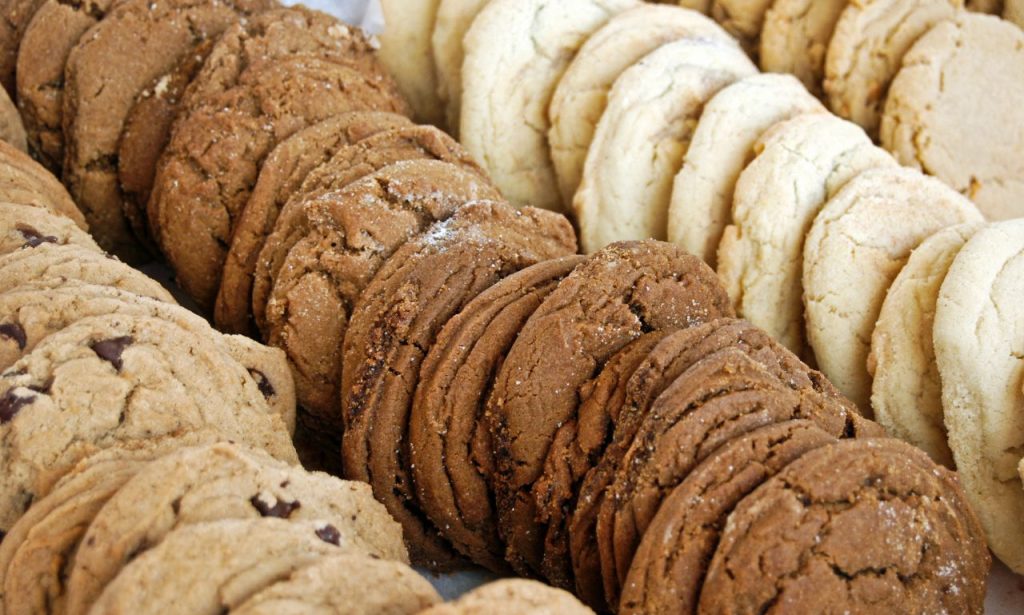
Cookies face greater challenges because they contain less internal moisture to begin with. Thin vegan cookies become dry quickly if baked even slightly too long.
Scones and biscuits are also notorious for drying out. Their crumbly texture leaves little room for moisture retention.
Meanwhile, banana bread and zucchini bread stay moist longer because fruits and vegetables release water slowly.
Conclusion
Understanding why vegan baked goods dry out quickly comes down to chemistry, ingredients, and technique. Eggs and dairy naturally lock in moisture, so removing them changes how baked goods behave during baking and storage.
Fortunately, dryness is not inevitable.
Choosing better egg replacements, using the right fats, avoiding overbaking, and storing desserts properly can completely transform the results of vegan baking.
Also Read:
FAQs
Oat and soy milks usually produce softer textures because they contain more starch and protein.
Yes. Vegan cookies lose moisture quickly when baked, even a few minutes too long.
Applesauce and flax eggs are excellent choices for maintaining softness and moisture.
Not always. Refrigeration can dry out cakes and muffins more quickly unless the fillings require cold storage.
